
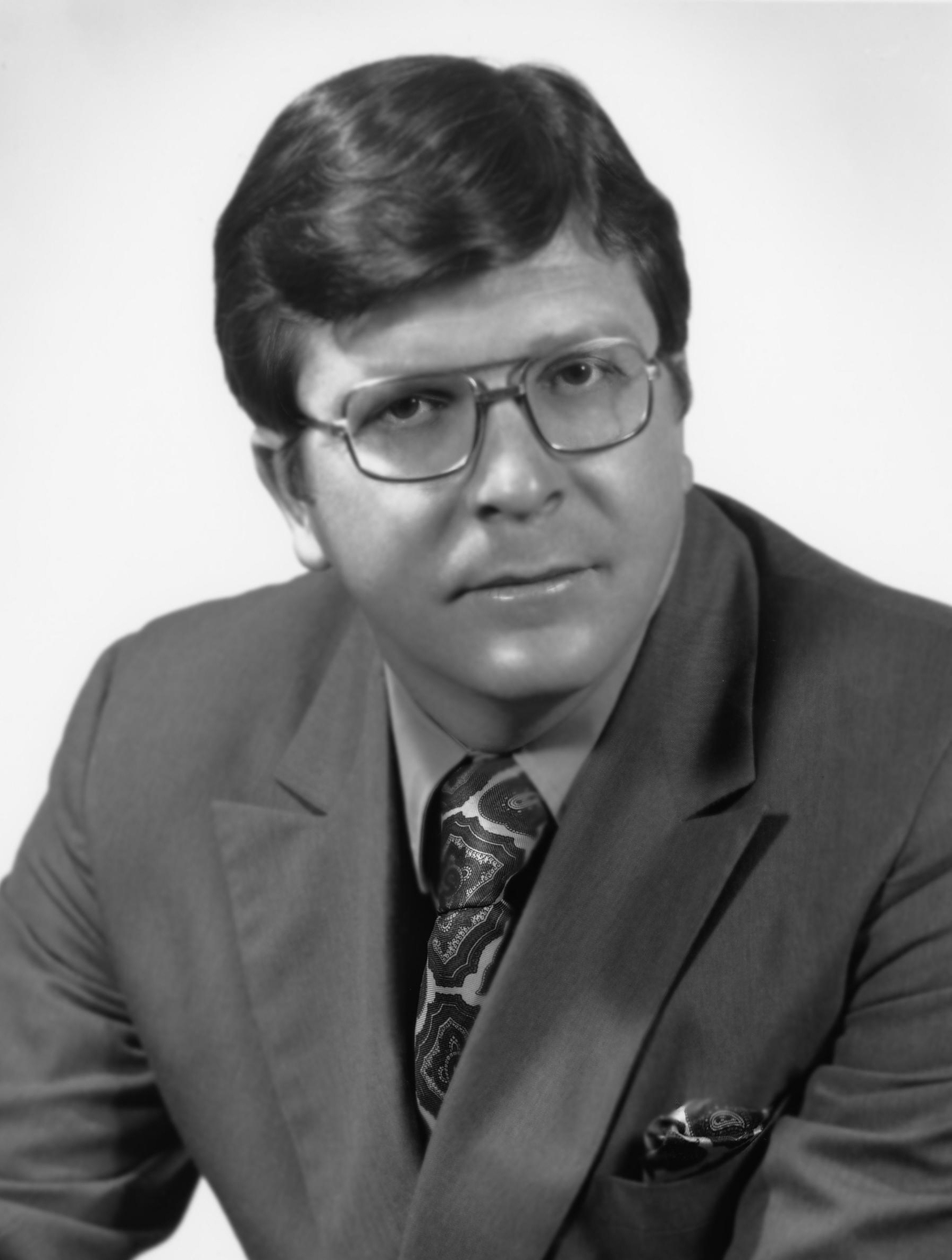
Historical · U.S. Department of Agriculture
John Albert Knebel
Former United States Secretary of Agriculture · U.S. Department of Agriculture · 1976–1977
John Albert Knebel served as United States Secretary of Agriculture (1976–1977). The page below collects sourced biographical facts, the appointment record, and provenance for Knebel.
Key facts
- Full name
- John Albert Knebel
- Department
- U.S. Department of Agriculture
- Office
- United States Secretary of Agriculture
- Status
- Former secretary
- Appointment
- Senate-confirmed
- Tenure
- 1976–1977
- Confirmed
- —
- Born
- 1936
- Died
- —
- First year in office
- 1976
- Dataset version
- 1.20260704
Appointment & service record
United States Secretary of Agriculture · 1976–1977
- Department
- U.S. Department of Agriculture
- Appointment
- Senate-confirmed
- Appointing president
- —
- Confirmed
- —
Department, appointment type (Senate-confirmed, acting, recess, or designated), appointing president, confirmation status, and service dates are drawn from Wikidata and the White House Cabinet roster.[1][2][3][4]
Sources
- [1]https://www.wikidata.org/wiki/Q928640Wikidata · retrieved 2026-07-04
- [2]https://www.whitehouse.gov/administration/cabinet/whitehouse.gov · retrieved 2026-07-04
- [3]https://www.wikidata.org/wiki/Q639738wikidata-cabinet · retrieved 2026-07-04
- [4]https://www.usda.gov/about-usda/general-information/history/former-secretariesusda.gov former-secretaries roster · retrieved 2026-07-04
Biographical narrative
863 words · sourced from the Wikipedia REST extract
John Albert Knebel, born on October 4, 1936 in Tulsa, Oklahoma, is a former United States government official who served as Secretary of Agriculture under President Gerald Ford from November 1976 to January 20, 1977. A career attorney and public servant, Knebel’s professional life has spanned military service, private legal practice, and senior roles within federal agencies, culminating in his brief but significant tenure at the helm of the U.S. Department of Agriculture.
Early life and career
Knebel entered the United States Military Academy at West Point, graduating in 1959 with a commission as an Army officer. After completing his military service, he pursued advanced studies, earning a master’s degree from Creighton University in 1962. He then attended American University, where he obtained a law degree in 1965. These academic achievements laid the foundation for a career that combined legal expertise with public policy.
From 1963 to 1964, Knebel served as a legislative assistant to Congressman J. Ernest Wharton, gaining early experience in congressional affairs and policy development. In 1965 he joined the Washington, D.C., law firm of Howrey, Simon, Baker and Murchison, where he practiced privately until 1968. His legal work during this period was complemented by his membership in several bar associations, including the American Bar Association, the Federal Bar Association, and the District of Columbia Bar Association.
In March 1971, Knebel became General Counsel of the Small Business Administration (SBA), a position he held through the latter part of President Richard Nixon’s second term. As general counsel, he provided legal guidance on matters affecting small businesses nationwide. His tenure at the SBA was marked by his involvement in shaping policies that supported entrepreneurship and economic development.
Knebel’s transition to the Department of Agriculture began in January 1973 when he was appointed General Counsel of the agency. In this role, he advised senior officials on legal issues related to agriculture policy, regulation, and administration. His experience as general counsel prepared him for higher responsibilities within the department.
From April until December 1975, Knebel worked as a partner at the law firm Brownstein, Zeidman, Schomer & Chase. That same year, in December 1975, he was named Deputy Secretary of Agriculture, becoming the second-highest-ranking official in the department. As deputy secretary, he assisted the Secretary in overseeing the agency’s operations and policy initiatives.
Cabinet tenure
On November 4, 1976, President Gerald Ford nominated Knebel to serve as United States Secretary of Agriculture. The Senate confirmed his appointment, allowing him to assume the position on the same day. Knebel’s term began during a period of transition, as it followed the administration of President Nixon and preceded that of President Jimmy Carter.
During his tenure, which lasted until January 20, 1977, Knebel oversaw the Department of Agriculture’s activities in accordance with the policies set by the Ford administration. His responsibilities included managing the agency’s budget, supervising its various bureaus, and ensuring the implementation of agricultural legislation and programs. The brief nature of his service meant that he focused on maintaining continuity within the department during the changeover between presidential administrations.
Knebel’s appointment as Secretary of Agriculture was part of President Ford’s broader strategy to bring experienced legal and administrative professionals into key cabinet positions. His background in law and federal agency management positioned him to address the complex regulatory environment faced by the Department of Agriculture at that time. The confirmation process, while not detailed in public records, reflected the Senate’s approval of his qualifications for the role.
When President Carter was inaugurated on January 20, 1977, Knebel stepped down from the secretary position, and a new administration took over the leadership of the department. His departure marked the end of a short but stable period at the head of the USDA during an era of significant policy shifts in American agriculture.
Legacy
After concluding his service as Secretary of Agriculture, Knebel returned to private legal practice. He continued to apply his expertise in law and public administration to various professional endeavors. By 2003, he had become president of the American Mining Congress, a position that reflects his ongoing engagement with sectors related to natural resources and industry.
Knebel’s legacy is characterized by his role as a bridge between different administrations within the Department of Agriculture. His brief tenure ensured that the agency maintained operational stability during a transition period marked by changes in leadership and policy direction. The legal foundation he brought to the department, both as general counsel and as secretary, contributed to the continuity of regulatory oversight and program implementation.
Beyond his cabinet service, Knebel’s career demonstrates a sustained commitment to public service through roles that combined legal practice with federal agency responsibilities. His work at the Small Business Administration and the Department of Agriculture helped shape policies affecting small businesses and agricultural producers, respectively. As president of the American Mining Congress, he continued to influence discussions around resource management and industry regulation.
Overall, John Albert Knebel’s professional journey illustrates a blend of military discipline, legal acumen, and public administration experience. His contributions to federal agencies, particularly during his time as Secretary of Agriculture, reflect a dedication to maintaining effective governance amid the evolving landscape of United States policy.
Sources & provenance
Every quantitative or attributable claim above carries a per-section [N] marker that resolves to the corresponding URL below. Each entry records the upstream provider, the canonical URL, and the timestamp at which the underlying source was retrieved.
Key facts
- https://www.wikidata.org/wiki/Q928640Wikidata · retrieved 2026-07-04
- https://www.whitehouse.gov/administration/cabinet/whitehouse.gov · retrieved 2026-07-04
- https://www.wikidata.org/wiki/Q639738wikidata-cabinet · retrieved 2026-07-04
- https://www.usda.gov/about-usda/general-information/history/former-secretariesusda.gov former-secretaries roster · retrieved 2026-07-04
Biographical narrative
- https://en.wikipedia.org/wiki/John_A._KnebelWikipedia · retrieved 2026-07-04
Explore the Cabinet
The Cabinet includes the Vice President and the heads of the 15 executive departments. Browse the full roster of current and former secretaries, or explore how the Cabinet fits into the federal government.