
Historical · U.S. Department of the Interior
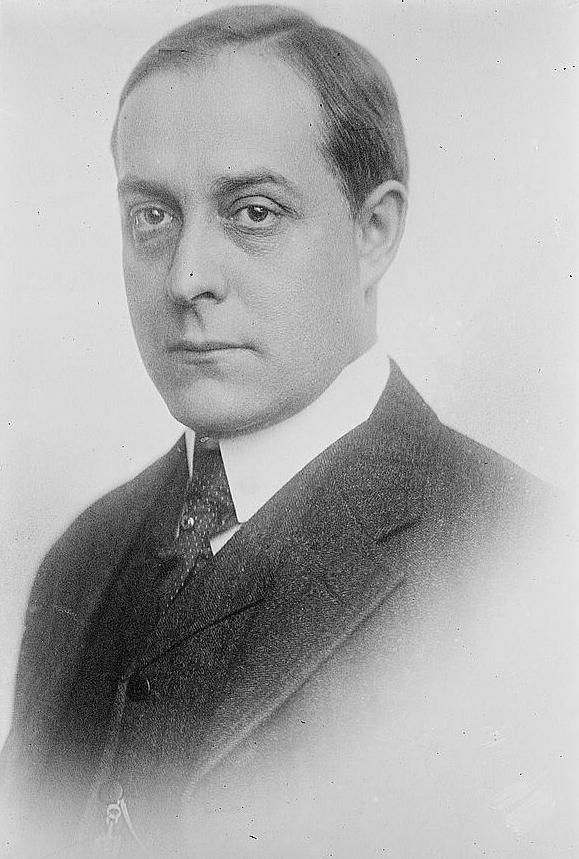
Roy Owen West
Former United States Secretary of the Interior · U.S. Department of the Interior · 1928–1929
Roy Owen West served as United States Secretary of the Interior (1928–1929). The page below collects sourced biographical facts, the appointment record, and provenance for West.
Key facts
- Full name
- Roy Owen West
- Department
- U.S. Department of the Interior
- Office
- United States Secretary of the Interior
- Status
- Former secretary
- Appointment
- Senate-confirmed
- Tenure
- 1928–1929
- Confirmed
- —
- Born
- 1868
- Died
- 1958
- First year in office
- 1928
- Dataset version
- 1.20260704
Appointment & service record
United States Secretary of the Interior · 1928–1929
- Department
- U.S. Department of the Interior
- Appointment
- Senate-confirmed
- Appointing president
- —
- Confirmed
- —
Department, appointment type (Senate-confirmed, acting, recess, or designated), appointing president, confirmation status, and service dates are drawn from Wikidata and the White House Cabinet roster.[1][2][3][4]
Sources
- [1]https://www.wikidata.org/wiki/Q2170882Wikidata · retrieved 2026-07-04
- [2]https://www.whitehouse.gov/administration/cabinet/whitehouse.gov · retrieved 2026-07-04
- [3]https://www.wikidata.org/wiki/Q639738wikidata-cabinet · retrieved 2026-07-04
- [4]https://www.doi.gov/interiormuseum/past-secretariesdoi.gov past-secretaries roster · retrieved 2026-07-04
Biographical narrative
959 words · sourced from the Wikipedia REST extract
Roy Owen West was an American lawyer and public servant whose career spanned local, state, and federal government in the first half of the twentieth century. Born in Illinois in 1868, he pursued a legal education that led to a series of municipal appointments in Chicago before advancing to national office as United States Secretary of the Interior under President Calvin Coolidge. After his brief cabinet tenure, West returned to Illinois where he continued to serve in various public capacities until his death in 1958.
Early life and career
Roy Owen West entered the world on October 27, 1868, in Georgetown, a small community within Cook County, Illinois. His parents were Helen Anna Yapp and Pleasant West, who raised him in an environment that valued education and civic engagement. Growing up in a rural setting of the Midwest, West was exposed early to the practical concerns of local governance and the importance of public service.
He attended DePauw University, where he completed his undergraduate studies before turning to the study of law. In 1890, he was admitted to the Illinois bar, a milestone that enabled him to practice law within the state's legal system. The admission marked the beginning of a career that would intertwine legal expertise with public administration.
Following his admission, West began his professional journey as an assistant attorney for Cook County. This role placed him at the heart of county legal affairs and provided experience in public service. He later advanced to serve as city attorney for Chicago, where he was responsible for representing municipal interests in legal matters. In this capacity, he dealt with a range of issues from ordinances to contracts, gaining familiarity with the complexities of urban governance.
His growing reputation in legal circles paved the way for electoral office; in 1898, West was elected to the Cook County Board of Review, a position that involved oversight of property assessments and tax appeals within the county. The board’s work required careful analysis of valuation data and an understanding of local economic conditions, further broadening his administrative experience.
West’s career was marked by his close association with Charles S. Deneen, who would later become Governor of Illinois. Their partnership strengthened West’s standing within Republican political circles in the state. Through this alliance, he became involved in statewide policy discussions and gained insight into the mechanics of party politics at a higher level.
In 1924, he was appointed Secretary to the Republican National Committee, a role that placed him at the national level of party organization and strategy. He maintained this position until 1928, when his experience and reputation led to his appointment by President Calvin Coolidge as United States Secretary of the Interior. The transition from state to federal service reflected both his legal acumen and his ability to navigate complex bureaucratic structures.
Cabinet tenure
In 1928, West was confirmed by the Senate as Secretary of the Interior, thereby becoming a member of President Coolidge’s cabinet. The Department of the Interior oversees federal lands, natural resources, and Native American affairs; however, specific actions or initiatives undertaken by West during his tenure are not detailed in the available records. His service lasted until the transition to President Herbert Hoover in 1929, at which point he stepped down from the position.
West’s appointment reflected a period of continuity within the federal administration, as Coolidge sought experienced public servants for key cabinet roles. The confirmation process affirmed West’s qualifications and his alignment with the administration’s priorities. Although his time in office was brief, it positioned him among the senior officials responsible for managing national resources during the late 1920s.
During his tenure, the Department of the Interior continued to administer vast tracts of public land and oversee the stewardship of natural resources that were essential to the nation’s economic development. West’s legal background likely informed his approach to the department’s responsibilities, though specific policy decisions or reforms attributed directly to him are not recorded in the reference material.
The late 1920s were a period of relative stability for federal agencies, and West’s role as Secretary of the Interior placed him at the center of discussions concerning land management, resource extraction, and relations with Indigenous communities. His brief but significant presence in this cabinet position contributed to the continuity of governance during a transitional era between administrations.
Legacy
After leaving the Department of the Interior, West returned to Illinois where he resumed a life devoted to public service. During World War II, he served as a federal hearing officer handling conscientious objector cases, a role that required careful consideration of individual claims and federal regulations. His involvement in this capacity demonstrated his continued commitment to addressing complex legal and ethical issues on behalf of the nation.
From 1936 to 1940, West contributed to educational governance as a member of the National Methodist Board of Education. In this capacity, he participated in decisions affecting Methodist schools and institutions across the country, reflecting his engagement with faith‑based educational initiatives.
West’s personal life remained rooted in Chicago until his passing on November 29, 1958. He was interred at Rosehill Cemetery in the city where he had spent much of his professional career. In recognition of his contributions to both the university that educated him and the broader public sphere, DePauw University named its library after him—the Roy O. West Library—ensuring that his legacy endures within an academic setting.
Through a career that bridged local legal practice, municipal governance, state politics, and federal administration, Roy Owen West exemplified the trajectory of a dedicated public servant in early twentieth‑century America. His service at multiple levels of government, coupled with his post‑cabinet civic engagements, reflects a sustained commitment to the responsibilities entrusted to those who work within the public domain.
Sources & provenance
Every quantitative or attributable claim above carries a per-section [N] marker that resolves to the corresponding URL below. Each entry records the upstream provider, the canonical URL, and the timestamp at which the underlying source was retrieved.
Key facts
- https://www.wikidata.org/wiki/Q2170882Wikidata · retrieved 2026-07-04
- https://www.whitehouse.gov/administration/cabinet/whitehouse.gov · retrieved 2026-07-04
- https://www.wikidata.org/wiki/Q639738wikidata-cabinet · retrieved 2026-07-04
- https://www.doi.gov/interiormuseum/past-secretariesdoi.gov past-secretaries roster · retrieved 2026-07-04
Biographical narrative
- https://en.wikipedia.org/wiki/Roy_Owen_WestWikipedia · retrieved 2026-07-04
Explore the Cabinet
The Cabinet includes the Vice President and the heads of the 15 executive departments. Browse the full roster of current and former secretaries, or explore how the Cabinet fits into the federal government.