
Historical · U.S. House · California · District 1
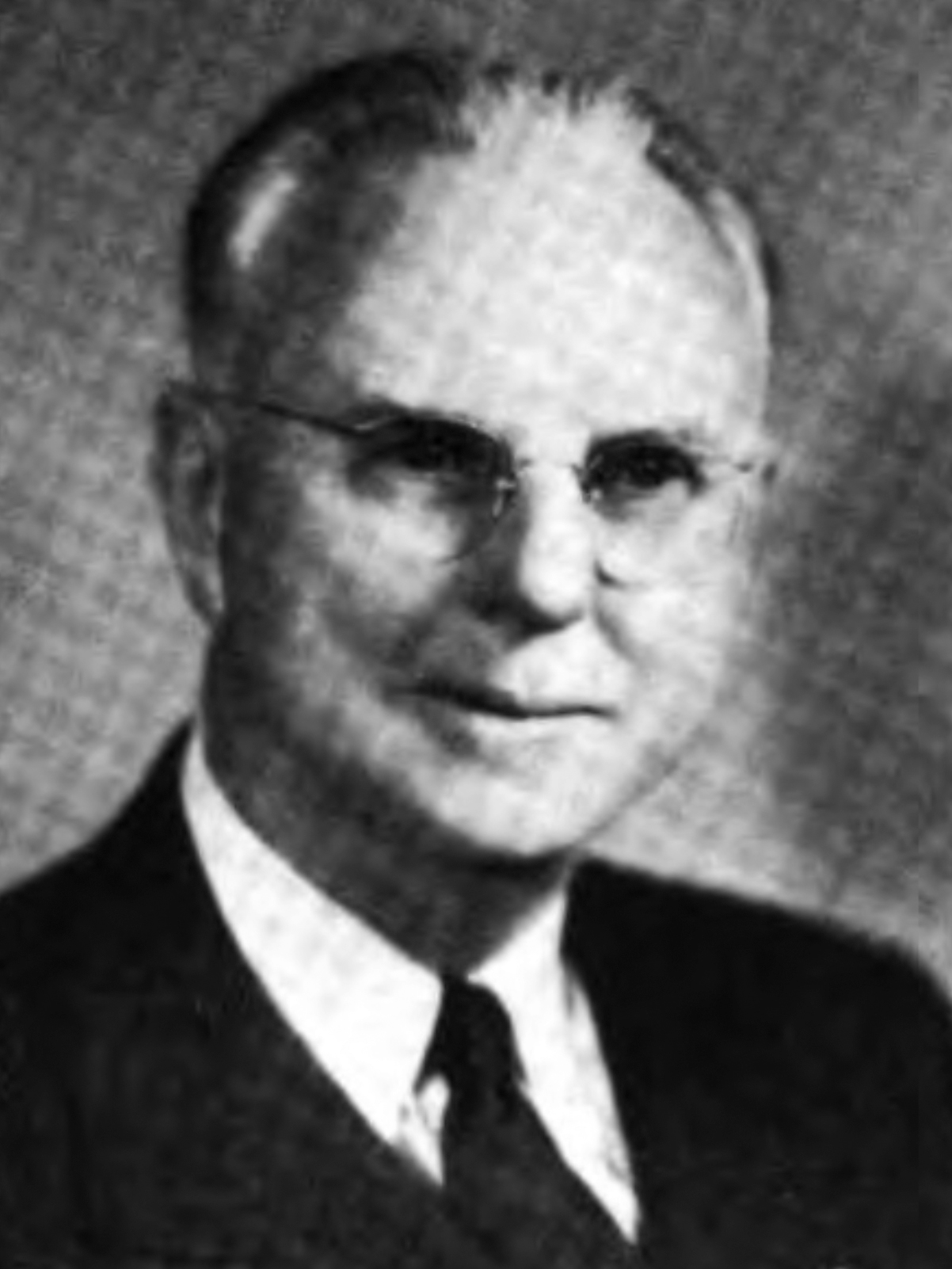
Hubert Scudder
Former U.S. Representative · California District 1 · 1949–1959 · Republican
Hubert Scudder represented California's District 1 in the United States House of Representatives (1949–1959) for the Republican party. The page below collects sourced biographical facts, term history, committee roles, and provenance for Scudder.
Bioguide ID: S000198
Key facts
- Full name
- Hubert Scudder
- State
- California
- District
- District 1
- Party
- Republican
- House service
- 1949–1959
- First House term
- 1949
- Status
- Left office
- Current term ends
- —
- Born
- 1888
- Bioguide ID
- S000198
- Committee assignments
- —
- Dataset version
- 1.20260605
Biographical narrative
1,030 words · sourced from the Wikipedia REST extract
Hubert Scudder was an American lawyer and politician who served as a U.S. Representative for California's 1st congressional district from 1949 until 1959. A member of the Republican Party, Scudder's political career spanned several decades, during which he held various positions at both the local and state levels before his election to the U.S. House of Representatives. His legislative tenure was marked by involvement in significant national issues, including civil rights. After leaving Congress, he returned to his previous work in real estate and insurance until his passing in 1968.
Early life and career
Hubert Baxter Scudder was born on November 5, 1888, in Sebastopol, California. He received his early education in the public school system, which he supplemented with correspondence courses and night classes. This self-directed approach to learning laid the foundation for his future career in law and politics. Scudder's professional journey began in local government, where he served as the superintendent of utilities for the city of Sebastopol from July 1, 1912, until November 4, 1920. This role provided him with valuable experience in public administration and municipal operations.
In 1918, during World War I, Scudder served in the United States Army Coast Artillery Corps for a brief period. His military service contributed to his understanding of national issues and civic responsibility. Following his discharge, he transitioned into the private sector, becoming involved in the insurance and real estate business in November 1920. This shift marked the beginning of a long career in these industries, which would later play a significant role in his political life.
Scudder's entry into politics began at the local level. He was elected as a city councilman in Sebastopol in April 1924, a position that allowed him to engage directly with the community's needs and concerns. His leadership qualities soon led to his election as mayor in 1926. Scudder's commitment to public service was further demonstrated during his tenure in the California State Assembly, where he served from January 1925 to January 1940. This lengthy period in the state legislature provided him with extensive experience in governance and legislative processes.
In addition to his legislative duties, Scudder was appointed as the real estate commissioner of the State of California in January 1943, a role he held until March 1, 1948. His expertise in real estate and insurance was recognized nationally when he served as president of the National Association of License Law Officials from November 1947 to September 1948. These positions not only enhanced his understanding of regulatory frameworks but also expanded his network within the political and business communities.
House tenure
Hubert Scudder's congressional career began when he was elected as a Republican to the Eighty-first Congress, which convened on January 3, 1949. He was subsequently re-elected to four additional terms, serving in the House of Representatives until January 3, 1959. Throughout his time in Congress, Scudder was involved in various legislative initiatives and discussions that reflected the political climate of the post-World War II era.
During his tenure, Scudder participated in the legislative process at a time when the United States was grappling with significant social changes, including the civil rights movement. He voted in favor of the Civil Rights Act of 1957, which aimed to address racial discrimination and protect voting rights for African Americans. This vote indicated his alignment with the broader Republican Party's efforts to promote civil rights during this period, although the act itself was met with mixed reactions across the political spectrum.
Scudder's time in Congress coincided with a period of significant political and social transformation in the United States. The late 1940s and 1950s were characterized by the Cold War, economic expansion, and the beginnings of the civil rights movement, all of which influenced the legislative agenda. As a member of the House, Scudder contributed to discussions on various issues, including economic policy, national security, and social welfare.
Despite his active participation in Congress, Scudder chose not to seek re-election in 1958, concluding his five terms in office. His decision to step away from the political arena marked the end of a significant chapter in his public service career, allowing him to transition back into the private sector.
Legislative focus and committees
During his time in the House of Representatives, Hubert Scudder's legislative focus reflected both his background in local government and his interests in real estate and insurance. His experience as a city councilman and mayor likely informed his understanding of the challenges faced by local communities, which he sought to address through his work in Congress.
Scudder's involvement in the Civil Rights Act of 1957 was a notable aspect of his legislative record. This act was one of the first significant pieces of civil rights legislation passed since Reconstruction and aimed to combat racial discrimination in voting. Scudder's support for this legislation indicated his recognition of the importance of civil rights issues during a pivotal moment in American history.
In addition to civil rights, Scudder's legislative priorities likely included matters related to economic development, infrastructure, and public services, given his background in local governance and utilities. His experience in the real estate and insurance sectors may have also influenced his perspectives on housing policy and regulatory matters.
Throughout his congressional career, Scudder served on various committees, which would have provided him with opportunities to shape legislation and influence policy decisions. While specific committee assignments during his tenure are not detailed in the available information, it is common for representatives to serve on committees that align with their interests and expertise. These committees play a crucial role in reviewing legislation, conducting hearings, and overseeing government programs.
After concluding his congressional service, Scudder returned to the real estate and insurance business, where he continued to apply his knowledge and skills in the private sector. His post-congressional career allowed him to remain engaged with the community and contribute to the local economy.
Hubert Scudder passed away on July 4, 1968, in Sebastopol, California. His contributions to public service, both at the local and national levels, left a lasting impact on the communities he served. He was interred in Sebastopol Cemetery, marking the end of a life dedicated to civic engagement and leadership.
Notable legislation
Sponsored and co-sponsored legislation for Hubert Scudder is pending operator curation. The biographical narrative above carries the same provenance trail until per-bill rows are written.
Sources
- [1]https://en.wikipedia.org/wiki/Hubert_B._ScudderWikipedia · retrieved 2026-06-05
Notable quotes
Sourced quotes for Hubert Scudder are pending operator curation. Narrative-scope provenance remains attached below.
Sources
- [1]https://en.wikipedia.org/wiki/Hubert_B._ScudderWikipedia · retrieved 2026-06-05
Key positions
Curated policy positions for Hubert Scudder are pending operator review. The biographical narrative above carries the same provenance trail until per-topic positions are written.
Sources
- [1]https://en.wikipedia.org/wiki/Hubert_B._ScudderWikipedia · retrieved 2026-06-05
Terms served
- 1949–1951U.S. House · Term 1 · Republican
- 1951–1953U.S. House · Term 2 · Republican
- 1953–1955U.S. House · Term 3 · Republican
- 1955–1957U.S. House · Term 4 · Republican
- 1957–1959U.S. House · Term 5 · Republican
Sources & provenance
Every attributable claim above carries a per-section [N] marker that resolves to the corresponding URL below. Each entry records the upstream provider, the canonical URL, and the timestamp at which the source was retrieved by the ingest pipeline.
Key facts
- https://bioguide.congress.gov/search/bio/S000198bioguide · retrieved 2026-06-05
- https://www.govtrack.us/congress/members/409703govtrack · retrieved 2026-06-05
Biographical narrative
- https://en.wikipedia.org/wiki/Hubert_B._Scudderwikipedia · retrieved 2026-06-05
Find your representative
Every U.S. state elects representatives by district. Browse California’s delegation, the full former-representative roster, or explore the role and term length.
Related on The Candidate
- Preceded by Clarence LeaEarlier holder of the California District 1 House seat · Democratic.Open
- Succeeded by Clement MillerLater holder of the California District 1 House seat · Democratic.Open
- Barclay HenleyFormer U.S. Representative · California District 1 · DemocraticOpen
- Charles ClaytonFormer U.S. Representative · California District 1 · RepublicanOpen
- Republican PartyFederal candidates and office holders on the Republican line.Open
- Representatives from CaliforniaEvery former U.S. Representative who has represented California.Open