
Historical · U.S. House · California · District 10
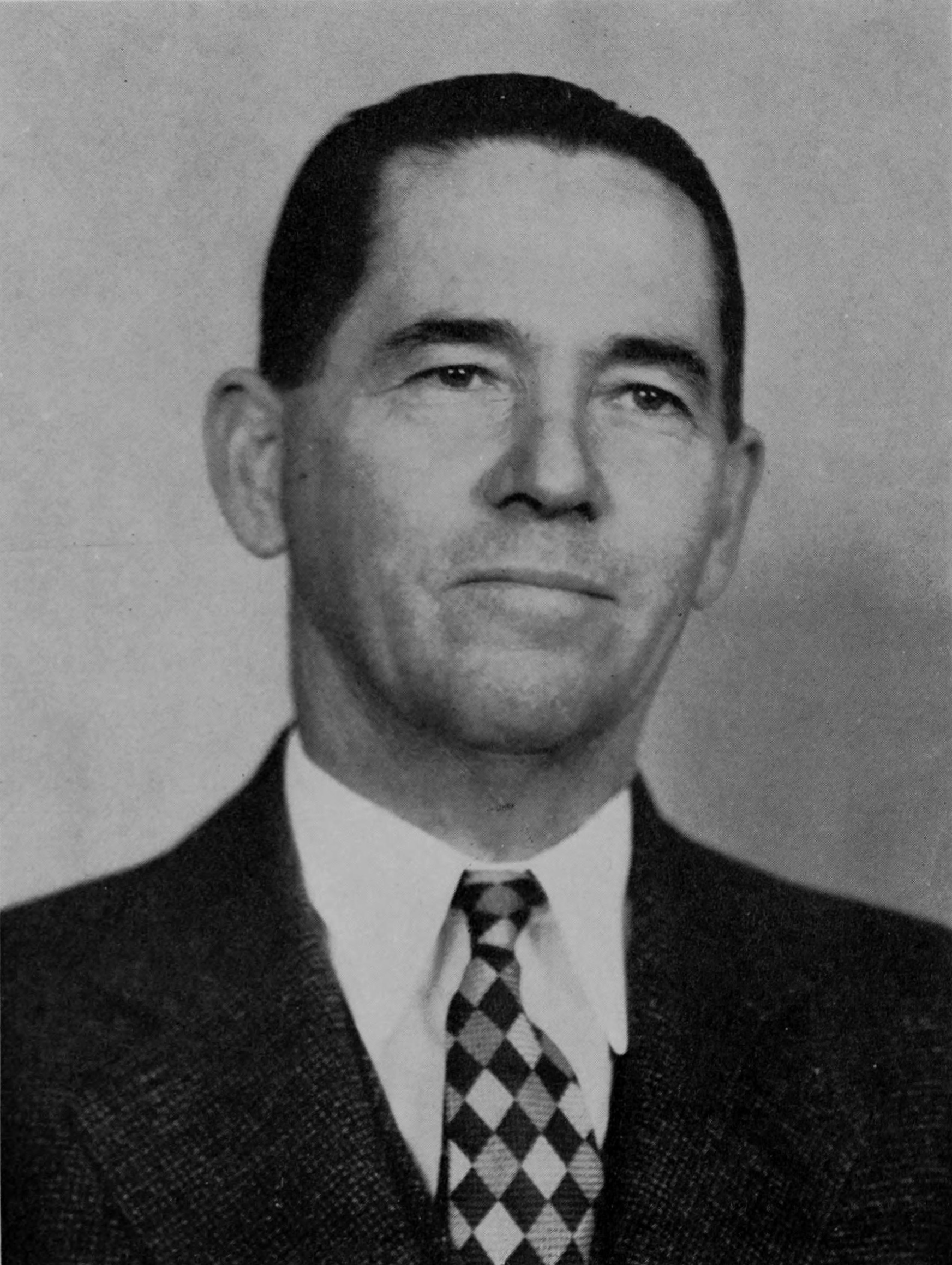
Henry Stubbs
Former U.S. Representative · California District 10 · 1933–1939 · Democratic
Henry Stubbs represented California's District 10 in the United States House of Representatives (1933–1939) for the Democratic party. The page below collects sourced biographical facts, term history, committee roles, and provenance for Stubbs.
Bioguide ID: S001038
Key facts
- Full name
- Henry Stubbs
- State
- California
- District
- District 10
- Party
- Democratic
- House service
- 1933–1939
- First House term
- 1933
- Status
- Left office
- Current term ends
- —
- Born
- 1881
- Bioguide ID
- S001038
- Committee assignments
- —
- Dataset version
- 1.20260605
Biographical narrative
918 words · sourced from the Wikipedia REST extract
Henry Stubbs was an American politician and clergyman who served as a U.S. Representative for California's 10th congressional district from 1933 until his death in 1937. A member of the Democratic Party, Stubbs was known for his commitment to public service and his role in the legislative process during a transformative period in American history. His tenure in Congress coincided with the Great Depression, a time when significant policy changes were necessary to address the economic challenges facing the nation. Stubbs' background as a minister informed his approach to public service, emphasizing community and social welfare.
Early life and career
Henry Elbert Stubbs was born on March 4, 1881, in Nampa, located in Coleman County, Texas. He received his early education in the public schools of Groesbeck, Texas, where he likely developed a foundation for his future pursuits in both education and public service. Following his secondary education, Stubbs attended Phillips University in Enid, Oklahoma, which was affiliated with the Christian Church (Disciples of Christ). His time at Phillips University would have been instrumental in shaping his religious beliefs and commitment to community service.
In 1911, Stubbs was ordained as a minister within the Christian Church (Disciples of Christ), marking the beginning of his long career in religious leadership. His early pastoral work included serving as the pastor of the Christian Church in Frederick, Oklahoma, from 1911 to 1914. He returned to this congregation after a brief period in Kingfisher, Oklahoma, where he served from 1914 to 1917. After a hiatus, he resumed his pastoral duties in Frederick from 1918 to 1921. This period of his life was characterized by a dedication to his faith and community, where he likely developed skills in leadership, public speaking, and community organization.
In 1921, Stubbs relocated to California, where he continued his ministry. He served as the pastor of the Christian Church in Tulare, California, from 1921 to 1923. Following this role, he became the pastor of the Santa Maria Christian Church, where he remained until his election to Congress. His work in California allowed him to engage with a diverse population and address various social issues, further solidifying his commitment to public service and community welfare.
House tenure
Henry Stubbs was elected to the United States House of Representatives as a Democrat, beginning his first term on March 4, 1933. He served during a critical time in American history, as the nation was grappling with the effects of the Great Depression. Stubbs was elected to the 73rd, 74th, and 75th Congresses, representing California's 10th congressional district. His election to Congress marked a significant transition from his pastoral career to a role in national governance, where he would have the opportunity to influence legislation and address the pressing issues of his time.
During his time in the House, Stubbs was part of a larger Democratic majority that sought to implement significant reforms aimed at economic recovery and social welfare. The legislative agenda during this period included initiatives associated with President Franklin D. Roosevelt's New Deal, which aimed to provide relief for the unemployed, recovery of the economy, and reform of the financial system. Stubbs' background as a clergyman may have informed his perspectives on social justice and community support, which were central themes in the New Deal policies.
Stubbs' congressional career was marked by his engagement with constituents and his efforts to advocate for their needs. As a representative, he would have participated in various debates and discussions on legislation that impacted the lives of his constituents. His tenure in Congress lasted until January 3, 1939, when he passed away, leaving behind a legacy of public service during a tumultuous time in American history.
Legislative focus and committees
Throughout his time in the House of Representatives, Henry Stubbs was involved in legislative matters that reflected the pressing needs of his constituents and the broader American public during the Great Depression. While specific details about the bills he sponsored or supported are not documented, it can be inferred that his legislative focus would have aligned with the Democratic Party's priorities of the era, particularly those associated with economic recovery and social welfare.
Stubbs likely served on various committees that addressed issues pertinent to his district and the nation. Committees in Congress play a crucial role in shaping legislation, conducting hearings, and overseeing the implementation of laws. Stubbs' participation in these committees would have allowed him to advocate for policies that benefitted his constituents, particularly in areas such as labor, agriculture, and social services, which were critical during the economic downturn of the 1930s.
His work in Congress would have involved collaboration with fellow legislators, as well as engagement with local leaders and organizations in California. This collaborative approach was essential for advancing legislative initiatives and ensuring that the voices of constituents were heard in the national discourse. Stubbs' experience as a pastor likely equipped him with skills in negotiation and consensus-building, which are vital in the legislative process.
Henry Stubbs' congressional career was cut short by his untimely death on February 28, 1937, in Washington, D.C. His passing occurred while he was still in office, reflecting the commitment he had to his role as a public servant. Following his death, he was interred in Santa Maria Cemetery in Santa Maria, California, where he had served as a pastor and community leader. His legacy as a U.S. Representative is remembered as part of a critical period in American history, characterized by efforts to address economic hardship and promote social welfare.
Notable legislation
Sponsored and co-sponsored legislation for Henry Stubbs is pending operator curation. The biographical narrative above carries the same provenance trail until per-bill rows are written.
Sources
- [1]https://en.wikipedia.org/wiki/Henry_E._StubbsWikipedia · retrieved 2026-06-05
Notable quotes
Sourced quotes for Henry Stubbs are pending operator curation. Narrative-scope provenance remains attached below.
Sources
- [1]https://en.wikipedia.org/wiki/Henry_E._StubbsWikipedia · retrieved 2026-06-05
Key positions
Curated policy positions for Henry Stubbs are pending operator review. The biographical narrative above carries the same provenance trail until per-topic positions are written.
Sources
- [1]https://en.wikipedia.org/wiki/Henry_E._StubbsWikipedia · retrieved 2026-06-05
Terms served
- 1933–1935U.S. House · Term 1 · Democratic
- 1935–1937U.S. House · Term 2 · Democratic
- 1937–1939U.S. House · Term 3 · Democratic
Sources & provenance
Every attributable claim above carries a per-section [N] marker that resolves to the corresponding URL below. Each entry records the upstream provider, the canonical URL, and the timestamp at which the source was retrieved by the ingest pipeline.
Key facts
- https://bioguide.congress.gov/search/bio/S001038bioguide · retrieved 2026-06-05
- https://www.govtrack.us/congress/members/410494govtrack · retrieved 2026-06-05
Biographical narrative
- https://en.wikipedia.org/wiki/Henry_E._Stubbswikipedia · retrieved 2026-06-05
Find your representative
Every U.S. state elects representatives by district. Browse California’s delegation, the full former-representative roster, or explore the role and term length.
Related on The Candidate
- Preceded by Joe CrailEarlier holder of the California District 10 House seat · Republican.Open
- Succeeded by Thomas WerdelLater holder of the California District 10 House seat · Republican.Open
- Barclay HenleyFormer U.S. Representative · California District 1 · DemocraticOpen
- Charles ClaytonFormer U.S. Representative · California District 1 · RepublicanOpen
- Clarence LeaFormer U.S. Representative · California District 1 · DemocraticOpen
- Clement MillerFormer U.S. Representative · California District 1 · DemocraticOpen