
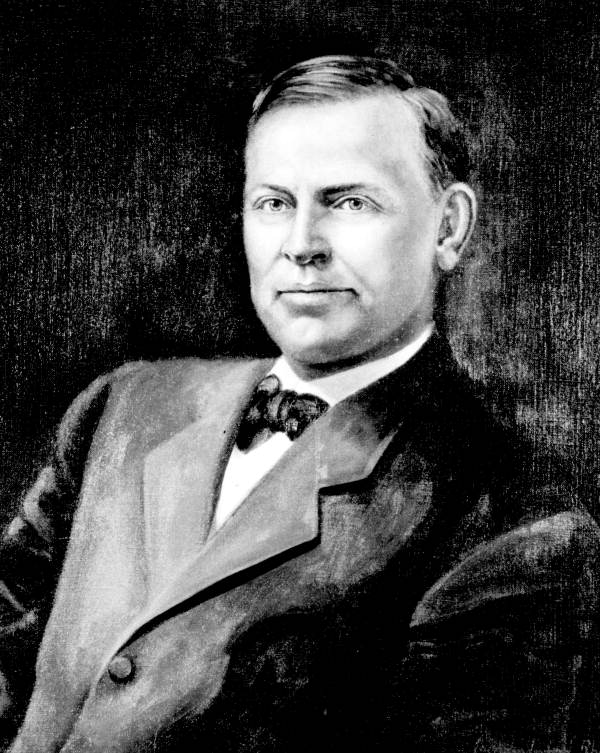
Historical · U.S. House · Florida · District 3
Dannite Mays
Former U.S. Representative · Florida District 3 · 1909–1913 · Democratic
Dannite Mays represented Florida's District 3 in the United States House of Representatives (1909–1913) for the Democratic party. The page below collects sourced biographical facts, term history, committee roles, and provenance for Mays.
Bioguide ID: M000289
Key facts
- Full name
- Dannite Mays
- State
- Florida
- District
- District 3
- Party
- Democratic
- House service
- 1909–1913
- First House term
- 1909
- Status
- Left office
- Current term ends
- —
- Born
- 1852
- Bioguide ID
- M000289
- Committee assignments
- —
- Dataset version
- 1.20260606
Biographical narrative
864 words · sourced from the Wikipedia REST extract
Dannite Mays was an American farmer and politician who served as a U.S. Representative from Florida's 3rd congressional district from 1909 to 1913. A member of the Democratic Party, Mays's political career spanned various levels of government, including service in the state legislature and candidacies for higher office. His tenure in Congress was marked by the broader political and social changes occurring in the early 20th century, a period characterized by significant developments in American governance and society.
Early life and career
Born on April 28, 1852, near Madison, Florida, Dannite Mays grew up in a region that was primarily agricultural. His early education took place in local county schools, which provided him with foundational knowledge, and he furthered his studies at public schools in Savannah, Georgia. Mays also attended Washington and Lee University in Lexington, Virginia, where he likely received a more formal education that would serve him in his future endeavors.
After completing his education, Mays moved to Monticello, Florida, where he engaged in agricultural pursuits. This involvement in farming not only shaped his personal life but also influenced his political perspectives, as agriculture was a significant part of Florida's economy during that era. Mays's experiences as a farmer would later inform his legislative priorities and his understanding of the needs of his constituents.
Mays's political career began to take shape in the late 19th century. In 1888, he participated as a delegate to the Democratic State Convention, marking his entry into the political arena. His involvement in local politics laid the groundwork for his future roles in government, as he began to establish connections within the Democratic Party and gain recognition as a leader in his community.
House tenure
Mays's congressional career began when he was elected as a Democrat to the Sixty-first Congress, which convened on March 4, 1909. He served in this capacity until March 3, 1913, completing two full terms in the U.S. House of Representatives. During his time in Congress, Mays represented Florida's 3rd congressional district, a role that required him to address the diverse needs and interests of his constituents.
His election to Congress came during a transformative period in American history, marked by progressive reforms and increasing federal involvement in various aspects of life. Mays's tenure coincided with significant national issues, including economic changes, labor rights, and the push for social reforms. While specific legislative achievements during his time in office are not detailed in the available records, Mays's role as a representative would have involved participation in debates and discussions on these pressing matters.
Mays's congressional career was not without its challenges. After serving two terms, he sought renomination in 1912 but was unsuccessful. This defeat marked the end of his time in the House of Representatives, as he was unable to secure the support needed to continue representing his district in Congress.
Legislative focus and committees
During his time in the House, Dannite Mays was likely involved in various legislative initiatives that reflected the priorities of his constituents and the Democratic Party. While specific details regarding the committees he served on or the bills he sponsored are not provided, it can be inferred that his background as a farmer would have influenced his legislative focus. Issues related to agriculture, rural development, and economic policies affecting farmers would have been of particular interest to him and his constituents.
Mays's experience in the state legislature prior to his congressional service also suggests that he had a solid understanding of the legislative process and the importance of local governance. He served in the Florida House of Representatives during the early 1890s, including a term as speaker in 1897. This experience would have equipped him with the skills necessary to navigate the complexities of federal legislation and advocate for the interests of his district.
In addition to his legislative duties, Mays's participation in the Democratic Party at the state level, including his role as a delegate to the state convention, indicates his commitment to the party's platform and his engagement with broader political issues. His candidacies for governor in 1900 and 1904, although unsuccessful, further demonstrate his ambition and desire to influence Florida's political landscape.
After his congressional career, Mays returned to Monticello, Florida, where he resumed his agricultural pursuits. His return to farming reflects a common trajectory for many politicians of his time, who often returned to their roots after serving in public office. Mays continued to live in Monticello until his death on May 9, 1930. He was interred in Roseland Cemetery, leaving behind a legacy as a public servant who contributed to the political discourse of his time.
In summary, Dannite Mays's life and career encapsulate the journey of a local leader who rose through the ranks of political service, from state legislature to the U.S. Congress. His experiences as a farmer and politician during a pivotal era in American history highlight the interconnectedness of local and national issues, as well as the enduring impact of agricultural policies on the lives of many Americans. Mays's contributions to Florida's political landscape, although not extensively documented, reflect the broader themes of governance, representation, and community engagement that continue to resonate in contemporary politics.
Notable legislation
Sponsored and co-sponsored legislation for Dannite Mays is pending operator curation. The biographical narrative above carries the same provenance trail until per-bill rows are written.
Sources
- [1]https://en.wikipedia.org/wiki/Dannite_Hill_MaysWikipedia · retrieved 2026-06-06
Notable quotes
Sourced quotes for Dannite Mays are pending operator curation. Narrative-scope provenance remains attached below.
Sources
- [1]https://en.wikipedia.org/wiki/Dannite_Hill_MaysWikipedia · retrieved 2026-06-06
Key positions
Curated policy positions for Dannite Mays are pending operator review. The biographical narrative above carries the same provenance trail until per-topic positions are written.
Sources
- [1]https://en.wikipedia.org/wiki/Dannite_Hill_MaysWikipedia · retrieved 2026-06-06
Terms served
- 1909–1911U.S. House · Term 1 · Democratic
- 1911–1913U.S. House · Term 2 · Democratic
Sources & provenance
Every attributable claim above carries a per-section [N] marker that resolves to the corresponding URL below. Each entry records the upstream provider, the canonical URL, and the timestamp at which the source was retrieved by the ingest pipeline.
Key facts
- https://bioguide.congress.gov/search/bio/M000289bioguide · retrieved 2026-06-06
- https://www.govtrack.us/congress/members/407304govtrack · retrieved 2026-06-06
Biographical narrative
- https://en.wikipedia.org/wiki/Dannite_Hill_Mayswikipedia · retrieved 2026-06-06
Find your representative
Every U.S. state elects representatives by district. Browse Florida’s delegation, the full former-representative roster, or explore the role and term length.
Related on The Candidate
- Preceded by William LamarEarlier holder of the Florida District 3 House seat · Democratic.Open
- Succeeded by Emmett WilsonLater holder of the Florida District 3 House seat · Democratic.Open
- Augustus MaxwellFormer U.S. Representative · Florida District 1 · DemocraticOpen
- Charles HamiltonFormer U.S. Representative · Florida District 1 · RepublicanOpen
- Chester McMullenFormer U.S. Representative · Florida District 1 · DemocraticOpen
- Courtney CampbellFormer U.S. Representative · Florida District 1 · DemocraticOpen