
Historical · U.S. House · Florida · At-Large
William Sears
Former U.S. Representative · Florida At-Large · 1915–1937 · Democratic
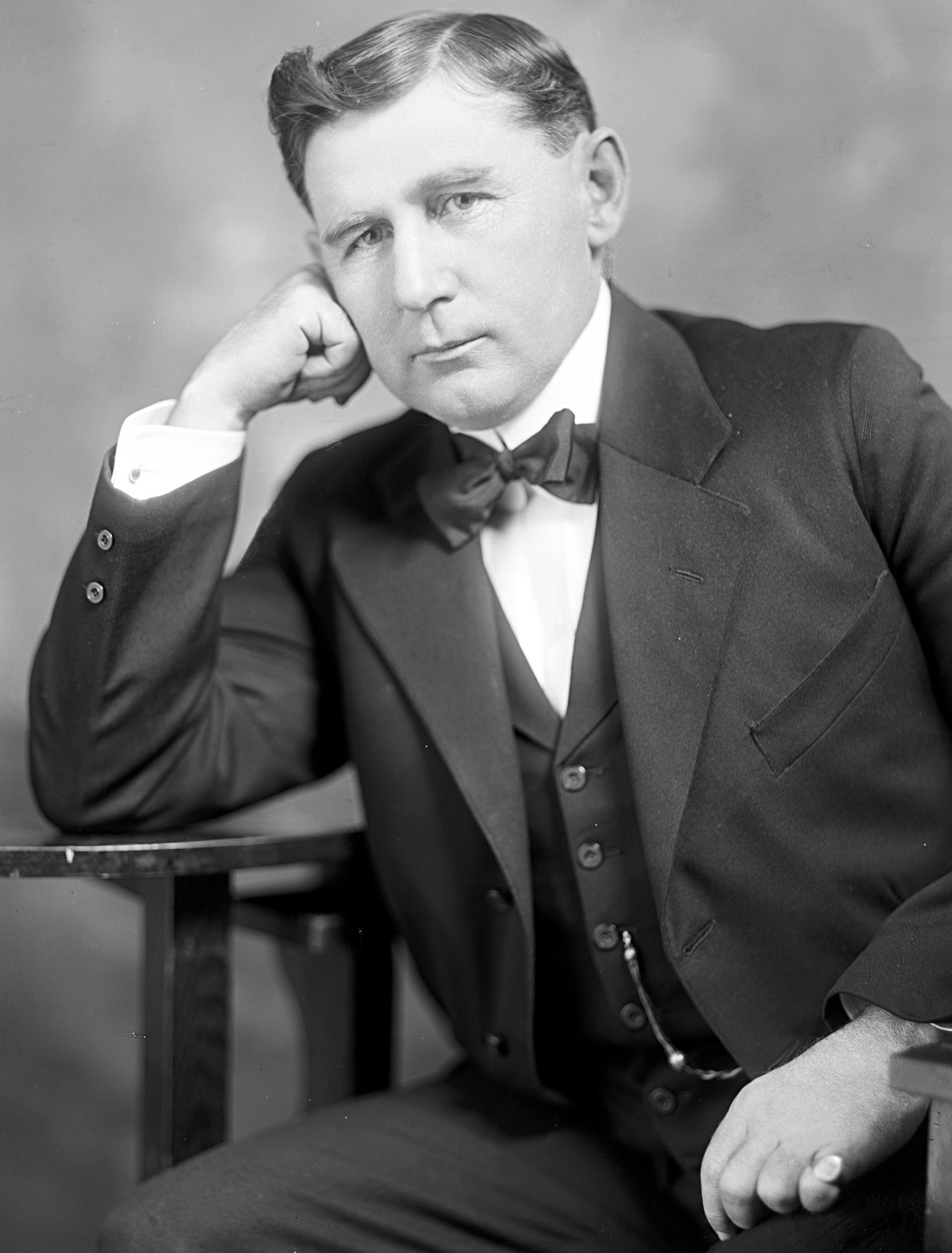
William Sears represented Florida's At-Large in the United States House of Representatives (1915–1937) for the Democratic party. The page below collects sourced biographical facts, term history, committee roles, and provenance for Sears.
Bioguide ID: S000211
Key facts
- Full name
- William Sears
- State
- Florida
- District
- At-Large
- Party
- Democratic
- House service
- 1915–1937
- First House term
- 1915
- Status
- Left office
- Current term ends
- —
- Born
- 1874
- Bioguide ID
- S000211
- Committee assignments
- —
- Dataset version
- 1.20260606
Biographical narrative
876 words · sourced from the Wikipedia REST extract
William Sears was a prominent lawyer and politician who served as a U.S. Representative from Florida. A member of the Democratic Party, Sears held an at-large seat in the House of Representatives for a total of nine terms spanning over two distinct periods. His political career was marked by his involvement in legislative matters, particularly in education, as he chaired the Committee on Education during one of his terms. After his congressional service, he continued to work in the legal field and served on the Board of Veterans' Appeals until his retirement. Sears was born in the late 19th century and passed away in the mid-20th century, leaving behind a legacy intertwined with the political landscape of Florida during his time.
Early life and career
William Sears was born on December 4, 1874, in Smithville, Georgia. His family relocated to Ellaville, Georgia, and subsequently moved to Kissimmee, Florida, in January 1881. Growing up in Florida, Sears attended local public schools, where he laid the foundation for his future educational pursuits. He graduated from Florida State College at Lake City in 1895, furthering his education at Mercer University in Macon, Georgia, where he completed his studies in 1896.
After earning his degree, Sears pursued a career in law, which was a common path for many individuals seeking to enter public service during that era. He was admitted to the bar in 1905 and began practicing law in Kissimmee. His legal career was complemented by his engagement in local governance; he served as the mayor of Kissimmee from 1907 to 1911. This role allowed him to gain valuable experience in public administration and community leadership. Additionally, Sears held the position of superintendent of public instruction for Osceola County from 1905 to 1915, which further demonstrated his commitment to education and public service in the region.
House tenure
Sears's political career in the U.S. House of Representatives began when he was elected as a Democrat to the Sixty-fourth Congress, taking office on March 4, 1915. He was re-elected to six consecutive terms, serving until March 3, 1929. During this period, he was involved in various legislative initiatives and discussions that shaped the policies of the time. His tenure coincided with significant national events, including World War I and the subsequent social changes that followed.
In the Sixty-fifth Congress, Sears was appointed as the chairman of the Committee on Education, a position that underscored his interest and expertise in educational issues. As chairman, he played a role in shaping educational policy and advocating for the needs of schools and educational institutions across the country. His leadership in this committee allowed him to influence legislation that affected the educational landscape, reflecting his background as a former superintendent of public instruction.
Despite his initial success in Congress, Sears faced challenges in his political career. He was an unsuccessful candidate for renomination in 1928, which marked a temporary end to his congressional service. Following this setback, he returned to Kissimmee to resume his legal practice. His career took another turn when he moved to Jacksonville, Florida, where he continued to work as a lawyer.
In the early 1930s, Sears made a political comeback by winning election to the U.S. House for the Seventy-third and Seventy-fourth Congresses, serving from March 4, 1933, until January 3, 1937. This period was marked by the Great Depression, and Sears's legislative activities during this time would have been influenced by the economic challenges facing the nation. However, he was again unsuccessful in his bid for renomination in 1936, this time in a newly drawn district, which concluded his time in Congress.
Legislative focus and committees
Throughout his congressional career, Sears's legislative focus was primarily centered on education, as evidenced by his role as chairman of the Committee on Education during the Sixty-fifth Congress. This committee was responsible for overseeing educational policies and programs, and Sears's leadership position allowed him to advocate for legislation that aimed to improve educational opportunities and resources across the nation. His background as a superintendent of public instruction likely informed his perspectives on educational issues and the needs of students and educators.
Sears's tenure in Congress coincided with a period of significant change in American society, including shifts in educational philosophy and the expansion of federal involvement in education. While specific legislative achievements during his time in office are not detailed in the available records, his position as chairman suggests that he was actively engaged in discussions and initiatives aimed at addressing the educational needs of the country.
After leaving Congress, Sears continued to contribute to public service through his appointment as an associate member of the Board of Veterans' Appeals of the Veterans' Administration in Washington, D.C. He held this position from 1937 until his retirement in October 1942. This role allowed him to engage with issues affecting veterans, further extending his commitment to public service beyond his congressional tenure.
William Sears passed away on March 30, 1944, in Kissimmee, Florida. He was interred at Rose Hill Cemetery, leaving behind a legacy that reflects his long-standing involvement in both legal and political spheres. His career, marked by significant public service roles, illustrates the complexities of early 20th-century American politics and the evolving landscape of governance in Florida and the nation.
Notable legislation
Sponsored and co-sponsored legislation for William Sears is pending operator curation. The biographical narrative above carries the same provenance trail until per-bill rows are written.
Sources
- [1]https://en.wikipedia.org/wiki/William_J._SearsWikipedia · retrieved 2026-06-06
Notable quotes
Sourced quotes for William Sears are pending operator curation. Narrative-scope provenance remains attached below.
Sources
- [1]https://en.wikipedia.org/wiki/William_J._SearsWikipedia · retrieved 2026-06-06
Key positions
Curated policy positions for William Sears are pending operator review. The biographical narrative above carries the same provenance trail until per-topic positions are written.
Sources
- [1]https://en.wikipedia.org/wiki/William_J._SearsWikipedia · retrieved 2026-06-06
Terms served
- 1915–1917U.S. House · Term 1 · Democratic
- 1917–1919U.S. House · Term 2 · Democratic
- 1919–1921U.S. House · Term 3 · Democratic
- 1921–1923U.S. House · Term 4 · Democratic
- 1923–1925U.S. House · Term 5 · Democratic
- 1925–1927U.S. House · Term 6 · Democratic
- 1927–1929U.S. House · Term 7 · Democratic
- 1933–1935U.S. House · Term 8 · Democratic
- 1935–1937U.S. House · Term 9 · Democratic
Sources & provenance
Every attributable claim above carries a per-section [N] marker that resolves to the corresponding URL below. Each entry records the upstream provider, the canonical URL, and the timestamp at which the source was retrieved by the ingest pipeline.
Key facts
- https://bioguide.congress.gov/search/bio/S000211bioguide · retrieved 2026-06-06
- https://www.govtrack.us/congress/members/409716govtrack · retrieved 2026-06-06
Biographical narrative
- https://en.wikipedia.org/wiki/William_J._Searswikipedia · retrieved 2026-06-06
Find your representative
Every U.S. state elects representatives by district. Browse Florida’s delegation, the full former-representative roster, or explore the role and term length.
Related on The Candidate
- Preceded by Claude L’EngleEarlier holder of the Florida At-Large House seat · Democratic.Open
- Augustus MaxwellFormer U.S. Representative · Florida District 1 · DemocraticOpen
- Charles HamiltonFormer U.S. Representative · Florida District 1 · RepublicanOpen
- Chester McMullenFormer U.S. Representative · Florida District 1 · DemocraticOpen
- Courtney CampbellFormer U.S. Representative · Florida District 1 · DemocraticOpen
- Democratic PartyFederal candidates and office holders on the Democratic line.Open