
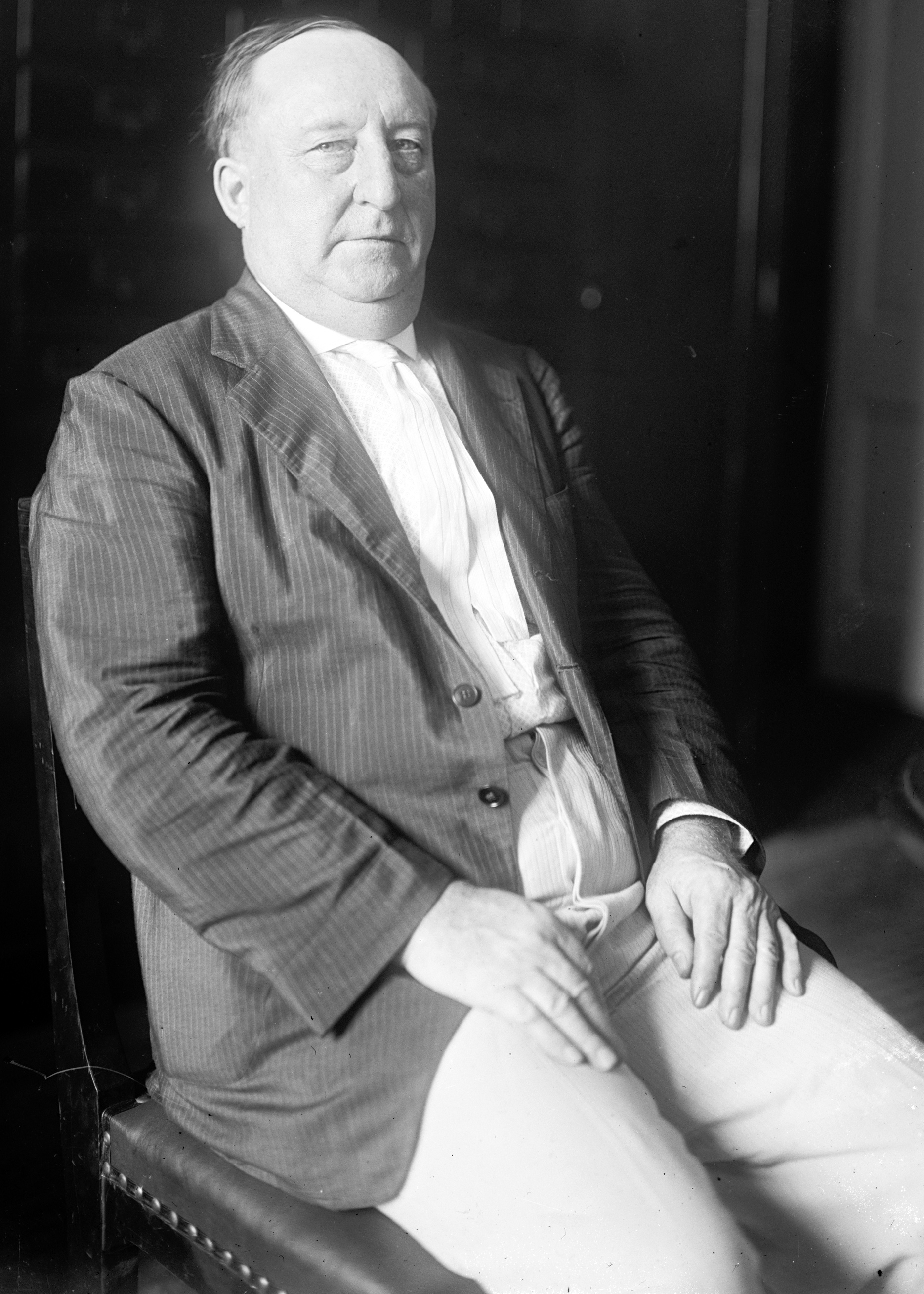
Historical · U.S. House · Iowa · District 5
Cyrenus Cole
Former U.S. Representative · Iowa District 5 · 1921–1933 · Republican
Cyrenus Cole represented Iowa's District 5 in the United States House of Representatives (1921–1933) for the Republican party. The page below collects sourced biographical facts, term history, committee roles, and provenance for Cole.
Bioguide ID: C000608
Key facts
- Full name
- Cyrenus Cole
- State
- Iowa
- District
- District 5
- Party
- Republican
- House service
- 1921–1933
- First House term
- 1921
- Status
- Left office
- Current term ends
- —
- Born
- 1863
- Bioguide ID
- C000608
- Committee assignments
- —
- Dataset version
- 1.20260606
Biographical narrative
870 words · sourced from the Wikipedia REST extract
Cyrenus Cole was a Republican politician who served as a U.S. Representative for Iowa's 5th congressional district from 1921 until 1933. Prior to his political career, he was a newspaper editor, historian, and author, contributing to the literary and political landscape of Iowa. His tenure in Congress was marked by his alignment with the conservative faction of the Republican Party, and he was known for his support of prohibition during a time of significant political change in the United States.
Early life and career
Cyrenus Cole was born on January 13, 1863, near Pella, Iowa. He pursued higher education at Central College in Pella, graduating in 1887. Following his graduation, Cole began a career in journalism, which would significantly shape his later political endeavors. He took on the role of associate editor at The Iowa State Register, a prominent newspaper in the state, where he honed his skills in writing and public discourse.
In addition to his work at The Iowa State Register, Cole became the editor and co-owner of The Cedar Rapids Republican, a position he held until 1913. His editorial work allowed him to influence public opinion and engage with the political issues of the day. During this time, he also authored several books, including "A History of the People of Iowa," "Iowa Through the Years," and "The Farmer in Politics and Prosperity," which reflected his deep interest in Iowa's history and the agricultural community.
Cole's involvement in the Republican Party was significant, particularly within the stand-patters faction, which represented a more conservative ideology compared to the progressive wing of the party. This alignment with conservative principles would later inform his legislative priorities during his time in Congress.
In late 1920, following the announcement of James W. Good's resignation from Congress, Cole emerged as a candidate for the Republican nomination to represent Iowa's 5th congressional district. He successfully secured the nomination at the district convention and subsequently won the general election in July 1921, marking the beginning of his congressional career when he was sworn into office on August 1, 1921.
House tenure
Cyrenus Cole's congressional career spanned over eleven years, during which he served a total of six terms in the U.S. House of Representatives. His initial election in 1921 was part of a broader Republican strategy to maintain control during a period of political transition in the United States. Throughout his time in office, Cole was re-elected four times, demonstrating a degree of electoral support from his constituents.
However, his re-election margins became increasingly narrow, particularly in the elections of 1928 and 1930. These close contests reflected the shifting political landscape of the time, as the nation began to grapple with the economic challenges of the Great Depression. Cole's political stance as a "dry," or supporter of prohibition, became a contentious issue, especially as public sentiment began to shift towards the repeal of prohibition.
In 1932, following a significant reapportionment of congressional districts, Cole faced a challenging political environment. The reconfigured 2nd congressional district included several new counties where his "dry" position was less popular. As a result, he chose not to seek re-election that year. His decision came amidst a broader Democratic resurgence, exemplified by the electoral success of Bernhard M. Jacobsen, a "wet" Democrat who opposed prohibition. Cole's final term in Congress concluded on March 3, 1933.
Legislative focus and committees
During his time in the House of Representatives, Cyrenus Cole was involved in various legislative matters, reflecting the priorities of his constituents and his own political beliefs. His alignment with the conservative faction of the Republican Party often influenced his positions on key issues, particularly those related to fiscal policy, agriculture, and social issues such as prohibition.
Cole's support for prohibition was a defining aspect of his legislative career. He was part of the conservative wing that advocated for maintaining the ban on alcohol, which was a contentious issue during the 1920s and early 1930s. His stance on this matter placed him at odds with a growing number of constituents who began to favor repeal, especially as the economic landscape shifted with the onset of the Great Depression.
In addition to his focus on prohibition, Cole's background as a newspaper editor and historian informed his perspectives on agricultural policy and rural issues. Iowa, being a predominantly agricultural state, had unique needs and challenges that Cole sought to address during his tenure. He was involved in discussions and legislation aimed at supporting farmers and promoting agricultural stability.
Cole's legislative efforts were also shaped by the broader national context, including the economic challenges of the Great Depression and the evolving political dynamics within the Republican Party. His conservative views often aligned with the party's traditional values, but as the political landscape changed, he faced increasing pressure from more progressive elements within the party and the electorate.
After concluding his congressional service, Cole returned to his roots in writing and publishing. He continued to produce works that reflected his experiences and insights, including his memoirs. Cyrenus Cole passed away on November 14, 1939, in Washington, D.C. He was interred in the First Dutch Reform Church Cemetery near Pella, Iowa, leaving behind a legacy intertwined with the political and historical narrative of his time.
Notable legislation
Sponsored and co-sponsored legislation for Cyrenus Cole is pending operator curation. The biographical narrative above carries the same provenance trail until per-bill rows are written.
Sources
- [1]https://en.wikipedia.org/wiki/Cyrenus_ColeWikipedia · retrieved 2026-06-06
Notable quotes
Sourced quotes for Cyrenus Cole are pending operator curation. Narrative-scope provenance remains attached below.
Sources
- [1]https://en.wikipedia.org/wiki/Cyrenus_ColeWikipedia · retrieved 2026-06-06
Key positions
Curated policy positions for Cyrenus Cole are pending operator review. The biographical narrative above carries the same provenance trail until per-topic positions are written.
Sources
- [1]https://en.wikipedia.org/wiki/Cyrenus_ColeWikipedia · retrieved 2026-06-06
Terms served
- 1921–1923U.S. House · Term 1 · Republican
- 1923–1925U.S. House · Term 2 · Republican
- 1925–1927U.S. House · Term 3 · Republican
- 1927–1929U.S. House · Term 4 · Republican
- 1929–1931U.S. House · Term 5 · Republican
- 1931–1933U.S. House · Term 6 · Republican
Sources & provenance
Every attributable claim above carries a per-section [N] marker that resolves to the corresponding URL below. Each entry records the upstream provider, the canonical URL, and the timestamp at which the source was retrieved by the ingest pipeline.
Key facts
- https://bioguide.congress.gov/search/bio/C000608bioguide · retrieved 2026-06-06
- https://www.govtrack.us/congress/members/402737govtrack · retrieved 2026-06-06
Biographical narrative
- https://en.wikipedia.org/wiki/Cyrenus_Colewikipedia · retrieved 2026-06-06
Find your representative
Every U.S. state elects representatives by district. Browse Iowa’s delegation, the full former-representative roster, or explore the role and term length.
Related on The Candidate
- Preceded by Robert CousinsEarlier holder of the Iowa District 5 House seat · Republican.Open
- Succeeded by Paul CunninghamLater holder of the Iowa District 5 House seat · Republican.Open
- Abby FinkenauerFormer U.S. Representative · Iowa District 1 · DemocraticOpen
- Augustus HallFormer U.S. Representative · Iowa District 1 · DemocraticOpen
- Benton HallFormer U.S. Representative · Iowa District 1 · DemocraticOpen
- Bernhart HennFormer U.S. Representative · Iowa District 1 · DemocraticOpen