
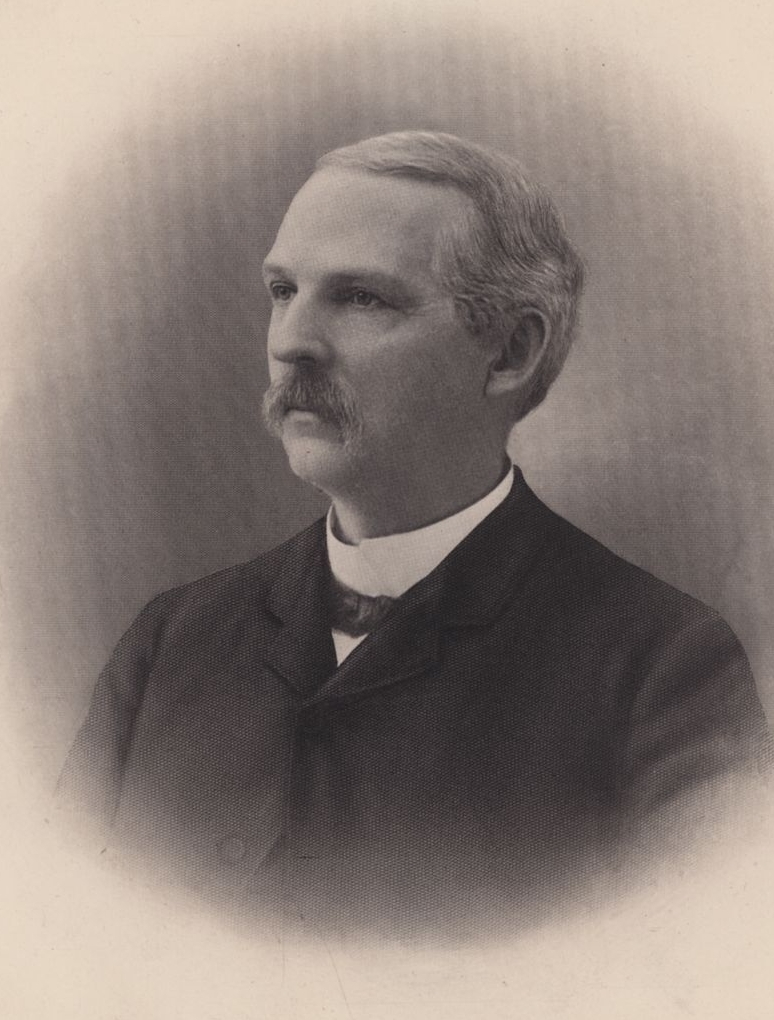
Historical · U.S. House · Kansas · District 1
Sidney Clarke
Former U.S. Representative · Kansas District 1 · 1865–1871 · Republican
Sidney Clarke represented Kansas's District 1 in the United States House of Representatives (1865–1871) for the Republican party. The page below collects sourced biographical facts, term history, committee roles, and provenance for Clarke.
Bioguide ID: C000470
Key facts
- Full name
- Sidney Clarke
- State
- Kansas
- District
- District 1
- Party
- Republican
- House service
- 1865–1871
- First House term
- 1865
- Status
- Left office
- Current term ends
- —
- Born
- 1831
- Bioguide ID
- C000470
- Committee assignments
- —
- Dataset version
- 1.20260606
Biographical narrative
849 words · sourced from the Wikipedia REST extract
Sidney Clarke was a prominent American politician who served as a U.S. Representative for Kansas's 1st congressional district during the Reconstruction era. A member of the Republican Party, Clarke was active in both state and territorial politics, contributing significantly to the development of Kansas and Oklahoma. His political career spanned several decades, during which he held various roles, including state legislator and speaker of the Kansas House of Representatives. Clarke's legacy includes his involvement in the Oklahoma statehood movement, reflecting his commitment to the expansion and governance of the American frontier.
Early life and career
Sidney Clarke was born on October 16, 1831, in Southbridge, Massachusetts. He received his education in the public school system, which laid the foundation for his future endeavors in journalism and politics. In 1854, he became the publisher of the Southbridge Press, showcasing his early interest in media and communication. This role likely contributed to his understanding of public opinion and the importance of civic engagement.
In 1859, Clarke relocated to Lawrence, Kansas, a decision that would significantly shape his political career. His move coincided with a tumultuous period in American history, as Kansas was embroiled in conflicts related to the expansion of slavery. During the Civil War, Clarke enlisted as a volunteer, demonstrating his commitment to the Union cause. His military service included an appointment as assistant adjutant general of Volunteers by President Abraham Lincoln on February 9, 1863. In this capacity, he served as captain and assistant provost marshal general, overseeing military operations in Kansas, Nebraska, Colorado, and Dakota territories. This experience not only honed his leadership skills but also deepened his understanding of the complexities of governance during wartime.
House tenure
Clarke's congressional career began when he was elected as a Republican to the Thirty-ninth Congress, which convened on March 4, 1865. He was subsequently re-elected to the Fortieth and Forty-first Congresses, serving until March 3, 1871. Throughout his time in the House of Representatives, Clarke was involved in various legislative initiatives and discussions pertinent to his constituents and the nation at large.
During the Forty-first Congress, Clarke held the position of chairman of the Committee on Indian Affairs. This role placed him at the forefront of significant discussions regarding Native American policy, an area of considerable importance during this period of American history. His leadership in this committee reflects the complexities of managing relations with Indigenous populations while navigating the interests of settlers and the federal government.
Despite his contributions, Clarke faced challenges in his political career. He was an unsuccessful candidate for re-election to the Forty-second Congress in 1870, which marked the end of his tenure in the House. His time in Congress was characterized by the broader struggles of the Reconstruction era, as the nation grappled with the consequences of the Civil War and the integration of formerly Confederate states into the Union.
Legislative focus and committees
Throughout his congressional service, Clarke's legislative focus was primarily on issues related to Indian affairs, reflecting the significant challenges faced by Native American communities during the 19th century. His role as chairman of the Committee on Indian Affairs allowed him to influence policies that would have long-lasting effects on Indigenous populations and their rights. This committee was crucial during a time when the U.S. government was implementing various treaties and policies aimed at managing land disputes and relations with Native tribes.
Clarke's engagement with Indian affairs was indicative of the broader political landscape of the time, where issues of land, sovereignty, and cultural preservation were at the forefront of national discussions. His work in this area demonstrated a recognition of the complexities involved in balancing the interests of settlers with the rights of Native Americans, a theme that would continue to resonate in American politics for generations.
After his congressional career, Clarke continued to be active in politics at the state level. In 1879, he served in the Kansas House of Representatives as an independent and was elected speaker, further showcasing his leadership abilities and commitment to public service. His later move to Oklahoma City in 1889 marked a new chapter in his life, where he became involved in railroad building and played a significant role in the Oklahoma statehood movement. As chairman of the statehood executive committee in 1891 and a member of the Territorial Council from 1898 to 1902, Clarke continued to influence the political landscape of the region.
Clarke's contributions to both Kansas and Oklahoma reflect a dedication to public service that extended beyond his time in Congress. His involvement in local governance, including serving on the Oklahoma City Council and as the second provisional mayor, highlights his ongoing commitment to civic engagement and community development.
Sidney Clarke passed away on June 18, 1909, in Oklahoma City. He was interred in Fairlawn Cemetery, leaving behind a legacy of political involvement and public service that spanned several decades and two states. His life and career illustrate the dynamic nature of American politics during a transformative period in the nation's history, marked by expansion, conflict, and the ongoing quest for statehood and governance in newly settled territories.
Notable legislation
Sponsored and co-sponsored legislation for Sidney Clarke is pending operator curation. The biographical narrative above carries the same provenance trail until per-bill rows are written.
Sources
- [1]https://en.wikipedia.org/wiki/Sidney_ClarkeWikipedia · retrieved 2026-06-06
Notable quotes
Sourced quotes for Sidney Clarke are pending operator curation. Narrative-scope provenance remains attached below.
Sources
- [1]https://en.wikipedia.org/wiki/Sidney_ClarkeWikipedia · retrieved 2026-06-06
Key positions
Curated policy positions for Sidney Clarke are pending operator review. The biographical narrative above carries the same provenance trail until per-topic positions are written.
Sources
- [1]https://en.wikipedia.org/wiki/Sidney_ClarkeWikipedia · retrieved 2026-06-06
Terms served
- 1865–1867U.S. House · Term 1 · Republican
- 1867–1869U.S. House · Term 2 · Republican
- 1869–1871U.S. House · Term 3 · Republican
Sources & provenance
Every attributable claim above carries a per-section [N] marker that resolves to the corresponding URL below. Each entry records the upstream provider, the canonical URL, and the timestamp at which the source was retrieved by the ingest pipeline.
Key facts
- https://bioguide.congress.gov/search/bio/C000470bioguide · retrieved 2026-06-06
- https://www.govtrack.us/congress/members/402608govtrack · retrieved 2026-06-06
Biographical narrative
- https://en.wikipedia.org/wiki/Sidney_Clarkewikipedia · retrieved 2026-06-06
Find your representative
Every U.S. state elects representatives by district. Browse Kansas’s delegation, the full former-representative roster, or explore the role and term length.
Related on The Candidate
- Preceded by Abel WilderEarlier holder of the Kansas District 1 House seat · Republican.Open
- Succeeded by William PhillipsLater holder of the Kansas District 1 House seat · Republican.Open
- Albert ColeFormer U.S. Representative · Kansas District 1 · RepublicanOpen
- Case BroderickFormer U.S. Representative · Kansas District 1 · RepublicanOpen
- Daniel Anthony Jr.Former U.S. Representative · Kansas District 1 · RepublicanOpen
- Republican PartyFederal candidates and office holders on the Republican line.Open