
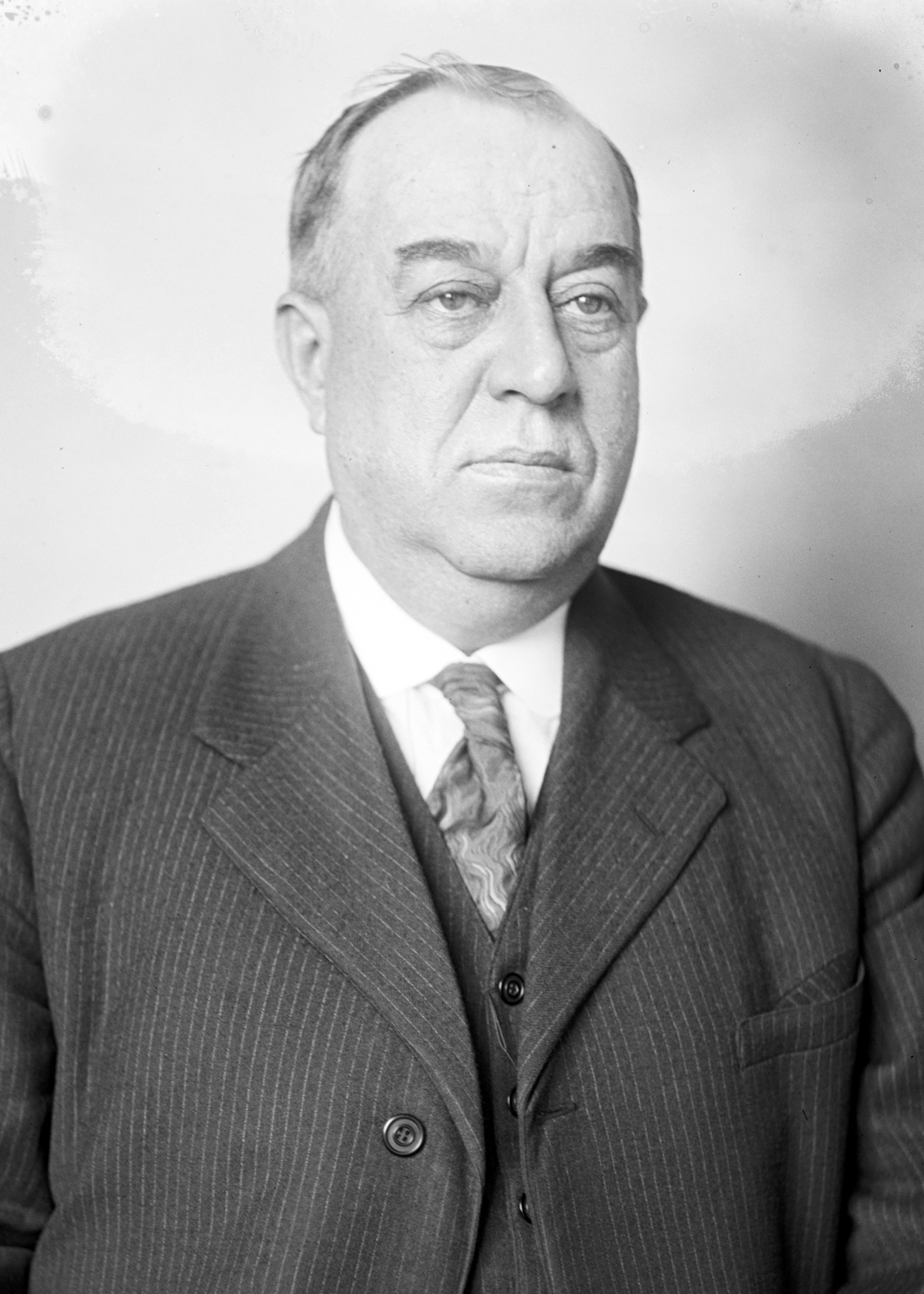
Historical · U.S. House · Kansas · District 5
James Strong
Former U.S. Representative · Kansas District 5 · 1919–1933 · Republican
James Strong represented Kansas's District 5 in the United States House of Representatives (1919–1933) for the Republican party. The page below collects sourced biographical facts, term history, committee roles, and provenance for Strong.
Bioguide ID: S001011
Key facts
- Full name
- James Strong
- State
- Kansas
- District
- District 5
- Party
- Republican
- House service
- 1919–1933
- First House term
- 1919
- Status
- Left office
- Current term ends
- —
- Born
- 1870
- Bioguide ID
- S001011
- Committee assignments
- —
- Dataset version
- 1.20260606
Biographical narrative
942 words · sourced from the Wikipedia REST extract
James Strong was a U.S. Representative from Kansas, serving in the House of Representatives as a member of the Republican Party. His congressional career spanned from 1919 to 1933, during which he was elected to seven consecutive terms. Strong's professional background included work in real estate, law, and local government, alongside his involvement in various community initiatives. After leaving Congress, he continued to serve in a financial capacity until his death in 1938.
Early life and career
James Strong was born on April 23, 1870, in Dwight, Illinois. His early education took place in several institutions, including public schools in Dwight and St. Marys, Kansas, as well as the Episcopal Mission of Greenwood Agency in South Dakota. He completed his education at Baker University in Baldwin, Kansas, where he studied from 1887 to 1889. In 1891, Strong relocated to Blue Rapids, Kansas, where he began to establish his career.
In Blue Rapids, Strong engaged in various business ventures, primarily focusing on real estate, loans, and insurance. His interest in law led him to study the subject, and he was admitted to the bar in 1895, subsequently beginning his legal practice in the same city. In addition to his legal career, Strong was involved in mercantile and agricultural activities, reflecting a diverse professional portfolio.
Strong's commitment to public service was evident through his various roles in local government. He served as the city attorney from 1896 to 1911, a position that allowed him to influence local legal matters. His legal expertise was further recognized when he was appointed as the assistant attorney general of Marshall County in 1911 and 1912. Additionally, he was an active member of the school board from 1913 to 1916, demonstrating his dedication to education and community development.
In 1905, Strong organized the Blue Rapids Telephone Company, contributing to the advancement of local infrastructure. He also played a significant role in the establishment of the Marshall County Power & Light Company in 1912, further showcasing his commitment to improving the quality of life in his community. His involvement in the Republican Party was marked by his participation as a delegate at the Republican National Conventions in 1912 and 1928, indicating his active engagement in national politics.
House tenure
James Strong was elected to the U.S. House of Representatives in 1918, beginning his first term on March 4, 1919. He was a member of the Sixty-sixth Congress and was subsequently re-elected to six additional terms, serving until March 3, 1933. Throughout his time in Congress, Strong was known for his consistent support of Republican policies and initiatives.
During his tenure, Strong represented Kansas's 5th congressional district, which encompassed a diverse constituency. His election in 1930 was particularly notable, as he narrowly defeated his opponent Clyde Short, reflecting the competitive nature of the political landscape at that time. Strong's ability to secure consecutive terms indicated a level of trust and support from his constituents, which he maintained throughout his congressional career.
In Congress, Strong served on various committees, with a significant role as the chairman of the Committee on War Claims during the Sixty-eighth through Seventy-first Congresses. This position allowed him to influence legislation related to claims arising from wartime service, an important issue during the post-World War I era. His leadership in this committee underscored his involvement in addressing the needs of veterans and their families.
Despite his long tenure, Strong faced challenges in the political arena. He was unsuccessful in his bid for renomination in 1932, marking the end of his congressional career. Following his departure from the House, he was appointed as the first assistant treasurer of the Home Owners' Loan Corporation in 1933, a role he held until his death.
Legislative focus and committees
Throughout his time in the House of Representatives, James Strong focused on various legislative issues that reflected the interests and needs of his constituents, as well as broader national concerns. His role as chairman of the Committee on War Claims was particularly significant, as it involved addressing the financial and legal claims of individuals who had served in the military. This committee work was crucial during a time when many veterans were seeking assistance and recognition for their service.
Strong's legislative activities were characterized by a commitment to supporting veterans and their families, as well as advocating for policies that would benefit the economic development of his district. His background in real estate and finance likely informed his perspectives on economic issues, allowing him to contribute meaningfully to discussions on housing, loans, and community development.
In addition to his work on the Committee on War Claims, Strong's participation in various other committees and legislative initiatives demonstrated his engagement with a wide range of topics. His experience as a lawyer and city attorney provided him with a strong foundation for navigating complex legal and regulatory matters, which he applied in his legislative efforts.
After leaving Congress, Strong continued to be involved in public service through his role at the Home Owners' Loan Corporation, where he contributed to efforts aimed at stabilizing the housing market during a challenging economic period. His work in this capacity reflected his ongoing commitment to addressing the needs of American citizens, particularly in the context of home ownership and financial security.
James Strong passed away on January 11, 1938, in Washington, D.C. He was interred in Fairmount Cemetery in Blue Rapids, Kansas, leaving behind a legacy of public service that spanned multiple decades and encompassed various aspects of community and national development. His contributions to both local and national politics remain a part of his enduring impact on the state of Kansas and the U.S. legislative process.
Notable legislation
Sponsored and co-sponsored legislation for James Strong is pending operator curation. The biographical narrative above carries the same provenance trail until per-bill rows are written.
Sources
- [1]https://en.wikipedia.org/wiki/James_G._StrongWikipedia · retrieved 2026-06-06
Notable quotes
Sourced quotes for James Strong are pending operator curation. Narrative-scope provenance remains attached below.
Sources
- [1]https://en.wikipedia.org/wiki/James_G._StrongWikipedia · retrieved 2026-06-06
Key positions
Curated policy positions for James Strong are pending operator review. The biographical narrative above carries the same provenance trail until per-topic positions are written.
Sources
- [1]https://en.wikipedia.org/wiki/James_G._StrongWikipedia · retrieved 2026-06-06
Terms served
- 1919–1921U.S. House · Term 1 · Republican
- 1921–1923U.S. House · Term 2 · Republican
- 1923–1925U.S. House · Term 3 · Republican
- 1925–1927U.S. House · Term 4 · Republican
- 1927–1929U.S. House · Term 5 · Republican
- 1929–1931U.S. House · Term 6 · Republican
- 1931–1933U.S. House · Term 7 · Republican
Sources & provenance
Every attributable claim above carries a per-section [N] marker that resolves to the corresponding URL below. Each entry records the upstream provider, the canonical URL, and the timestamp at which the source was retrieved by the ingest pipeline.
Key facts
- https://bioguide.congress.gov/search/bio/S001011bioguide · retrieved 2026-06-06
- https://www.govtrack.us/congress/members/410468govtrack · retrieved 2026-06-06
Biographical narrative
- https://en.wikipedia.org/wiki/James_G._Strongwikipedia · retrieved 2026-06-06
Find your representative
Every U.S. state elects representatives by district. Browse Kansas’s delegation, the full former-representative roster, or explore the role and term length.
Related on The Candidate
- Preceded by Guy HelveringEarlier holder of the Kansas District 5 House seat · Democratic.Open
- Succeeded by John HoustonLater holder of the Kansas District 5 House seat · Democratic.Open
- Abel WilderFormer U.S. Representative · Kansas District 1 · RepublicanOpen
- Albert ColeFormer U.S. Representative · Kansas District 1 · RepublicanOpen
- Case BroderickFormer U.S. Representative · Kansas District 1 · RepublicanOpen
- Daniel Anthony Jr.Former U.S. Representative · Kansas District 1 · RepublicanOpen