
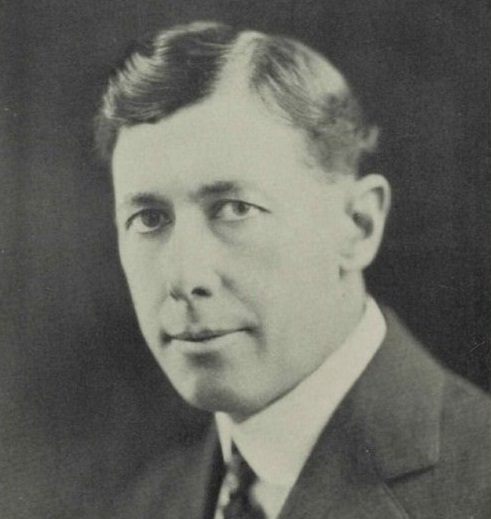
Historical · U.S. House · Kentucky · District 1
William Gregory
Former U.S. Representative · Kentucky District 1 · 1927–1937 · Democratic
William Gregory represented Kentucky's District 1 in the United States House of Representatives (1927–1937) for the Democratic party. The page below collects sourced biographical facts, term history, committee roles, and provenance for Gregory.
Bioguide ID: G000448
Key facts
- Full name
- William Gregory
- State
- Kentucky
- District
- District 1
- Party
- Democratic
- House service
- 1927–1937
- First House term
- 1927
- Status
- Left office
- Current term ends
- —
- Born
- 1877
- Bioguide ID
- G000448
- Committee assignments
- —
- Dataset version
- 1.20260605
Biographical narrative
929 words · sourced from the Wikipedia REST extract
William Gregory was an American attorney and politician who served as a United States Representative for Kentucky's 1st congressional district from 1927 until his death in 1936. A member of the Democratic Party, Gregory's political career spanned a decade, during which he was involved in various legislative efforts and held several significant positions within local and federal government. His contributions to Kentucky's political landscape were marked by his commitment to public service and community development.
Early life and career
William Gregory was born on October 21, 1877, in Graves County, Kentucky. He received his early education in local schools before pursuing higher education. After completing his studies, he initially took on the role of a teacher and later served as the superintendent of schools in Graves County. This experience in education laid a foundation for his understanding of community needs and governance.
In the late 1890s, Gregory returned to academia to further his education at the Cumberland School of Law, which is part of Cumberland University located in Lebanon, Tennessee. He graduated and was admitted to the Kentucky bar in 1902, subsequently establishing a legal practice in Mayfield, Kentucky, the county seat of Graves County. His legal career began to take shape as he engaged with the local community and addressed various legal matters.
Gregory's political involvement began with his election as county surveyor, a position he held from 1902 to 1910. This role allowed him to gain insights into the administrative workings of local government. Following his tenure as county surveyor, he served as the judge of the Graves County Court from 1913 to 1919. His judicial experience further solidified his reputation as a capable leader in the community.
In 1919, Gregory was appointed by President Woodrow Wilson to serve as the United States Attorney for the Western District of Kentucky, a role he held until 1923. This appointment marked a significant step in his political career, providing him with valuable experience in federal law and governance. Additionally, he was involved in educational governance as a member of the board of trustees for the Louisville Presbyterian Theological Seminary from 1920 to 1927, serving as its president from 1925 to 1927. His leadership in educational institutions reflected his commitment to the development of education in Kentucky.
House tenure
William Gregory's congressional career began in 1927 when he was elected to the House of Representatives to fill the vacancy left by Alben Barkley, who had successfully sought a seat in the United States Senate. Representing Kentucky's 1st congressional district, which encompasses the far western part of the state, Gregory quickly established himself as a dedicated public servant. Over the course of his tenure, he was re-elected multiple times, demonstrating his ability to connect with constituents and address their needs.
Throughout his time in Congress, Gregory worked on various legislative initiatives and issues pertinent to his district and the nation. His tenure was characterized by a focus on the needs of his constituents, particularly in areas related to economic development, education, and infrastructure. He remained an active participant in the legislative process until his death on October 10, 1936.
At the time of his passing, Gregory had already secured the Democratic Party nomination for another term in the House. His commitment to public service continued to resonate within his family, as his younger brother, Noble Jones Gregory, was subsequently nominated by the Democratic Party to fill the vacant seat. Noble Gregory would go on to win the election and serve in the House for an extended period.
Legislative focus and committees
During his time in the House of Representatives, William Gregory's legislative focus encompassed a range of issues that were significant to his constituents and the broader national agenda. While specific details of the bills he sponsored or supported are not documented, it is known that he was involved in discussions and initiatives that aimed to improve the economic conditions and social welfare of the people in his district.
Gregory's work in Congress was likely influenced by the socio-economic challenges of the era, including the impacts of the Great Depression, which began in 1929. As a representative from a rural district, he may have prioritized agricultural issues, labor rights, and economic recovery efforts. His legal background would have informed his understanding of the legislative process and the importance of crafting laws that addressed the needs of his constituents.
In addition to his legislative work, Gregory's involvement in various committees would have played a crucial role in shaping his contributions to Congress. While specific committee assignments are not provided, members of the House typically serve on committees that align with their interests and the needs of their districts. These committees are essential for reviewing proposed legislation, conducting hearings, and making recommendations to the full House.
Gregory's commitment to public service extended beyond his legislative duties, as he also engaged with local organizations and initiatives aimed at improving the quality of life for residents in Kentucky. His background in education and law likely influenced his approach to governance, emphasizing the importance of community involvement and informed decision-making.
William Gregory's legacy is marked by his dedication to the people of Kentucky and his contributions to the legislative process during a transformative period in American history. His passing in 1936 left a notable impact on his district, and his brother's subsequent election to the House ensured that his family's commitment to public service continued. Gregory's life and career reflect the complexities of American politics in the early 20th century and the ongoing efforts of individuals to serve their communities through elected office.
Notable legislation
Sponsored and co-sponsored legislation for William Gregory is pending operator curation. The biographical narrative above carries the same provenance trail until per-bill rows are written.
Sources
- [1]https://en.wikipedia.org/wiki/W._Voris_GregoryWikipedia · retrieved 2026-06-05
Notable quotes
Sourced quotes for William Gregory are pending operator curation. Narrative-scope provenance remains attached below.
Sources
- [1]https://en.wikipedia.org/wiki/W._Voris_GregoryWikipedia · retrieved 2026-06-05
Key positions
Curated policy positions for William Gregory are pending operator review. The biographical narrative above carries the same provenance trail until per-topic positions are written.
Sources
- [1]https://en.wikipedia.org/wiki/W._Voris_GregoryWikipedia · retrieved 2026-06-05
Terms served
- 1927–1929U.S. House · Term 1 · Democratic
- 1929–1931U.S. House · Term 2 · Democratic
- 1931–1933U.S. House · Term 3 · Democratic
- 1933–1935U.S. House · Term 4 · Democratic
- 1935–1937U.S. House · Term 5 · Democratic
Sources & provenance
Every attributable claim above carries a per-section [N] marker that resolves to the corresponding URL below. Each entry records the upstream provider, the canonical URL, and the timestamp at which the source was retrieved by the ingest pipeline.
Key facts
- https://bioguide.congress.gov/search/bio/G000448bioguide · retrieved 2026-06-05
- https://www.govtrack.us/congress/members/404794govtrack · retrieved 2026-06-05
Biographical narrative
- https://en.wikipedia.org/wiki/W._Voris_Gregorywikipedia · retrieved 2026-06-05
Find your representative
Every U.S. state elects representatives by district. Browse Kentucky’s delegation, the full former-representative roster, or explore the role and term length.
Related on The Candidate
- Preceded by Charles WheelerEarlier holder of the Kentucky District 1 House seat · Democratic.Open
- Succeeded by Noble GregoryLater holder of the Kentucky District 1 House seat · Democratic.Open
- Andrew BooneFormer U.S. Representative · Kentucky District 1 · DemocraticOpen
- Carroll Hubbard Jr.Former U.S. Representative · Kentucky District 1 · DemocraticOpen
- Chittenden LyonFormer U.S. Representative · Kentucky District 1 · JacksonOpen
- Democratic PartyFederal candidates and office holders on the Democratic line.Open