
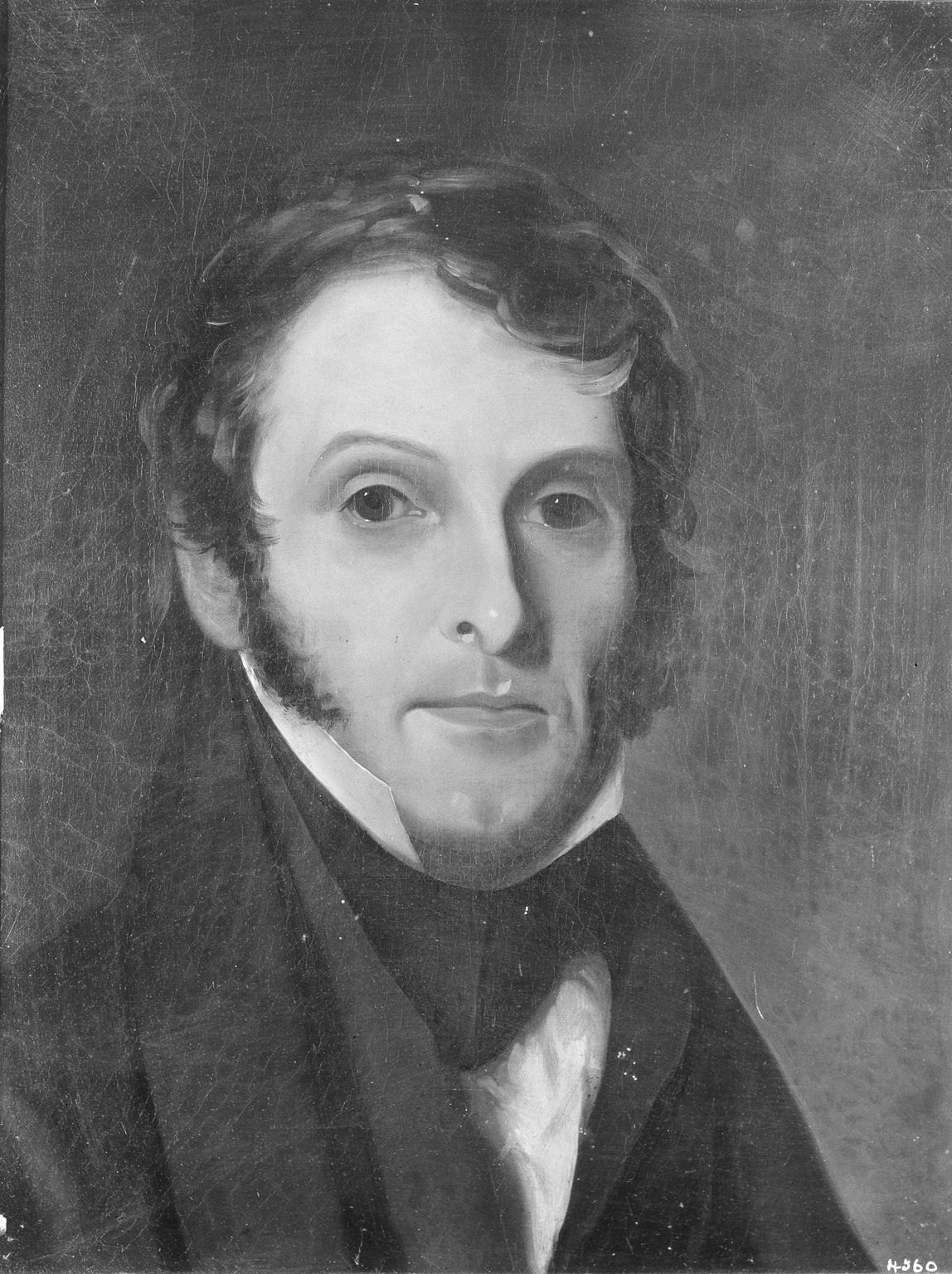
Historical · U.S. House · Maryland · District 4
James Carroll
Former U.S. Representative · Maryland District 4 · 1839–1841 · Democratic
James Carroll represented Maryland's District 4 in the United States House of Representatives (1839–1841) for the Democratic party. The page below collects sourced biographical facts, term history, committee roles, and provenance for Carroll.
Bioguide ID: C000188
Key facts
- Full name
- James Carroll
- State
- Maryland
- District
- District 4
- Party
- Democratic
- House service
- 1839–1841
- First House term
- 1839
- Status
- Left office
- Current term ends
- —
- Born
- 1791
- Bioguide ID
- C000188
- Committee assignments
- —
- Dataset version
- 1.20260606
Biographical narrative
807 words · sourced from the Wikipedia REST extract
James Carroll was a 19th-century politician from Maryland who served as a U.S. Representative for the state's Fourth Congressional District. A member of the Democratic Party, Carroll's congressional tenure lasted from 1839 until 1841. In addition to his political career, he held significant roles in the transportation sector, including positions with the Baltimore and Ohio Railroad and the Chesapeake and Ohio Canal Company. His life spanned from December 2, 1791, to January 16, 1873, during which he engaged in various public service roles and local governance.
Early life and career
James Carroll was born on December 2, 1791, in Baltimore, Maryland. He pursued his education at St. Mary's College in Baltimore, where he graduated in 1808. Following his graduation, Carroll studied law; however, he did not enter the legal profession. Instead, he initially settled on a farm located on the West River. This rural lifestyle was a brief chapter in his life, as he eventually returned to Baltimore, where he became more involved in civic duties.
Carroll's reputation in the community grew as he took on various roles in public service. He served as a judge of the orphans' court, a position that likely involved overseeing matters related to the estates of deceased individuals, particularly those concerning minors. Additionally, he acted as a trustee of the poor, which entailed responsibilities related to the welfare of disadvantaged members of society. These roles helped establish Carroll as a respected figure in Baltimore.
In the realm of transportation, Carroll was appointed as a director of the Baltimore and Ohio Railroad, one of the first railroads in the United States, which played a crucial role in the economic development of the region. He also served as a director for the Chesapeake and Ohio Canal Company, which was instrumental in facilitating trade and transportation between the Chesapeake Bay and the Ohio River. These positions not only contributed to his professional development but also positioned him as a key player in the infrastructure expansion of Maryland during the early 19th century.
House tenure
James Carroll's political career reached a significant milestone when he was elected as a U.S. Representative for Maryland's Fourth Congressional District. He was elected as a member of the Democratic Party and took his seat in the Twenty-Sixth United States Congress in 1839. His time in the House of Representatives was marked by the political dynamics of the era, which included issues related to economic development, infrastructure, and the growing tensions surrounding slavery.
Carroll's congressional term lasted until 1841, when he lost his bid for re-election. The political landscape during his tenure was characterized by a shift in party power and the emergence of new political ideologies. Following his departure from Congress, Carroll remained active in Maryland politics and sought higher office. In 1844, he ran for the position of Governor of Maryland, securing his party's nomination. However, he was defeated in the general election by Whig candidate Thomas G. Pratt, losing by a narrow margin.
Despite the setback in his gubernatorial campaign, Carroll's involvement in politics and public service continued. His experiences in Congress and his previous roles in local governance contributed to his understanding of the political landscape in Maryland and the broader national context.
Legislative focus and committees
During his time in the House of Representatives, James Carroll's legislative focus likely reflected the interests and needs of his constituents in Maryland's Fourth District. While specific details regarding the bills he sponsored or the committees he served on are not documented, it can be inferred that his background in transportation and public service would have influenced his priorities in Congress. Issues related to infrastructure development, economic growth, and social welfare may have been central to his legislative agenda.
Carroll's experience as a director of both the Baltimore and Ohio Railroad and the Chesapeake and Ohio Canal Company would have provided him with valuable insights into the challenges and opportunities facing transportation and commerce in the region. This expertise could have informed his contributions to discussions on infrastructure funding, transportation policy, and economic development initiatives.
In addition to his focus on transportation, Carroll's roles in the orphans' court and as a trustee of the poor suggest a commitment to social welfare and community support. These experiences may have influenced his perspective on legislation related to social services, public assistance, and the welfare of vulnerable populations.
After leaving Congress, Carroll continued to engage in public life until his retirement. He passed away on January 16, 1873, and was interred in the Carroll vault at Old Saint Paul's Cemetery in Baltimore, Maryland. His legacy is intertwined with the Carroll family, which has a notable history in Maryland's political and social landscape. James Carroll's contributions to both local governance and national politics reflect the complexities of his time and the evolving nature of American governance in the 19th century.
Notable legislation
Sponsored and co-sponsored legislation for James Carroll is pending operator curation. The biographical narrative above carries the same provenance trail until per-bill rows are written.
Sources
- [1]https://en.wikipedia.org/wiki/James_Carroll_(Maryland_politician)Wikipedia · retrieved 2026-06-06
Notable quotes
Sourced quotes for James Carroll are pending operator curation. Narrative-scope provenance remains attached below.
Sources
- [1]https://en.wikipedia.org/wiki/James_Carroll_(Maryland_politician)Wikipedia · retrieved 2026-06-06
Key positions
Curated policy positions for James Carroll are pending operator review. The biographical narrative above carries the same provenance trail until per-topic positions are written.
Sources
- [1]https://en.wikipedia.org/wiki/James_Carroll_(Maryland_politician)Wikipedia · retrieved 2026-06-06
Terms served
- 1839–1841U.S. House · Term 1 · Democratic
Sources & provenance
Every attributable claim above carries a per-section [N] marker that resolves to the corresponding URL below. Each entry records the upstream provider, the canonical URL, and the timestamp at which the source was retrieved by the ingest pipeline.
Key facts
- https://bioguide.congress.gov/search/bio/C000188bioguide · retrieved 2026-06-06
- https://www.govtrack.us/congress/members/402335govtrack · retrieved 2026-06-06
Biographical narrative
- https://en.wikipedia.org/wiki/James_Carroll_(Maryland_politician)wikipedia · retrieved 2026-06-06
Find your representative
Every U.S. state elects representatives by district. Browse Maryland’s delegation, the full former-representative roster, or explore the role and term length.
Related on The Candidate
- Preceded by Benjamin HowardEarlier holder of the Maryland District 4 House seat · Democratic.Open
- Succeeded by Alexander RandallLater holder of the Maryland District 4 House seat · Whig.Open
- Clement DorseyFormer U.S. Representative · Maryland District 1Open
- Daniel HenryFormer U.S. Representative · Maryland District 1 · DemocraticOpen
- David WardFormer U.S. Representative · Maryland District 1 · DemocraticOpen
- Dudley RoeFormer U.S. Representative · Maryland District 1 · DemocraticOpen