
Historical · U.S. House · Maine · District 3
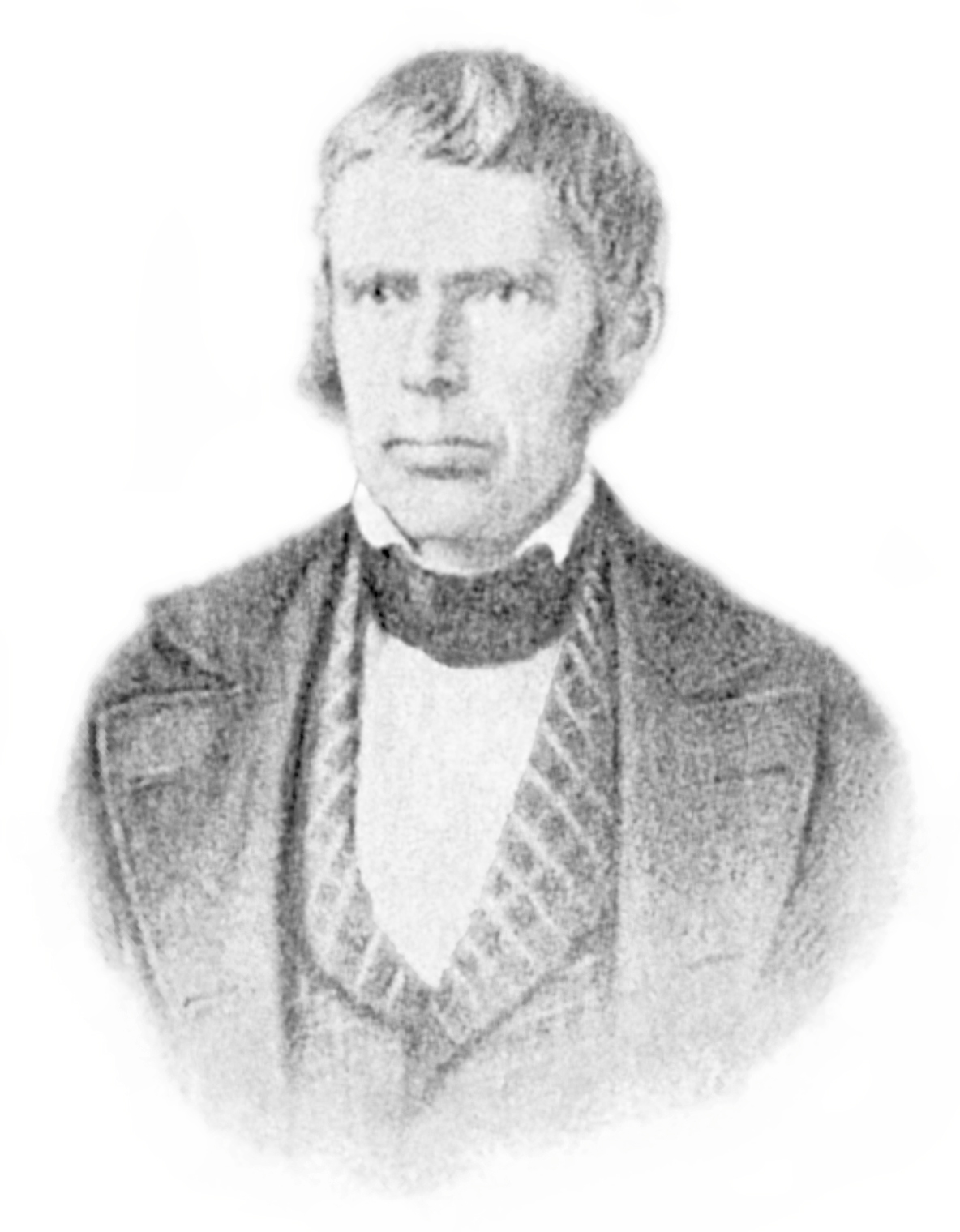
Luther Severance
Former U.S. Representative · Maine District 3 · 1843–1847 · Whig
Luther Severance represented Maine's District 3 in the United States House of Representatives (1843–1847) for the Whig party. The page below collects sourced biographical facts, term history, committee roles, and provenance for Severance.
Bioguide ID: S000255
Key facts
- Full name
- Luther Severance
- State
- Maine
- District
- District 3
- Party
- Whig
- House service
- 1843–1847
- First House term
- 1843
- Status
- Left office
- Current term ends
- —
- Born
- 1797
- Bioguide ID
- S000255
- Committee assignments
- —
- Dataset version
- 1.20260606
Biographical narrative
890 words · sourced from the Wikipedia REST extract
Luther Severance was a notable figure in American politics during the mid-19th century, serving as a U.S. Representative from Maine. A member of the Whig Party, he held office in the House of Representatives for two terms, from 1843 to 1847. Beyond his legislative career, Severance was also involved in journalism and diplomacy, contributing to various aspects of public life in the United States. His legacy includes his role in shaping political discourse in Maine and his later diplomatic service to the Kingdom of Hawaii.
Early life and career
Luther Severance was born on October 26, 1797, in Montague, Massachusetts. His family relocated to Cazenovia, New York, shortly after his birth, in 1799. Growing up in a new environment, Severance attended local common schools, where he received a foundational education that would serve him throughout his life. He later learned the printer's trade in Peterboro, New York, a skill that would prove beneficial in his future endeavors.
In 1825, Severance established the Kennebec Journal in Augusta, Maine, marking the beginning of his involvement in journalism. This publication played a significant role in local and state politics, providing a platform for political discourse and community engagement. His work in journalism likely influenced his political career, as it provided him with insights into public opinion and the political landscape of the time.
Severance's political career began to take shape when he was elected to the Maine House of Representatives, where he served as a member of the state legislature. His experience in the Maine House paved the way for his subsequent election to the Maine State Senate, further solidifying his reputation as a dedicated public servant. Through these roles, Severance gained valuable experience in governance and legislative processes, which would later inform his work in the U.S. Congress.
House tenure
Luther Severance's tenure in the U.S. House of Representatives began on March 4, 1843, when he was elected as a member of the Whig Party. He represented Maine's 3rd congressional district, a position that allowed him to influence national legislation and advocate for the interests of his constituents. Severance served two consecutive terms in the House, concluding his service on March 3, 1847.
During his time in Congress, Severance participated in various legislative activities and discussions that were pivotal to the political climate of the era. The Whig Party, which he represented, was known for its opposition to the policies of the Democratic Party, particularly those of President Andrew Jackson. The party focused on issues such as economic modernization, internal improvements, and a cautious approach to territorial expansion.
Severance's involvement in the Whig National Convention in 1848 as vice president further highlighted his commitment to the party and its principles. This role allowed him to engage with other party leaders and contribute to the shaping of the party's platform in the lead-up to the presidential election. His participation in the convention underscored his influence within the party and his dedication to its goals.
The political landscape during Severance's congressional tenure was marked by significant events, including debates over slavery, westward expansion, and economic policy. While specific details of his legislative actions are not available, it can be inferred that as a member of the Whig Party, he would have engaged in discussions surrounding these critical issues, reflecting the broader concerns of his constituents and the nation.
Legislative focus and committees
Throughout his congressional career, Luther Severance's legislative focus was likely aligned with the priorities of the Whig Party, which emphasized economic development, infrastructure improvements, and a cautious approach to expansionism. Although specific bills and legislative actions from his time in office are not detailed, the context of his party's platform provides insight into the issues he may have championed.
The Whig Party was known for advocating for internal improvements, such as the construction of roads, canals, and railroads, which were seen as essential for fostering economic growth and connecting different regions of the country. It is reasonable to assume that Severance, as a representative from Maine, would have been interested in initiatives that would benefit his state and promote commerce and trade.
In addition to his legislative work, Severance's role as a member of the House would have involved participation in various committees. Committees are integral to the legislative process, allowing members to focus on specific areas of policy and conduct detailed examinations of proposed legislation. While the specific committees on which Severance served are not documented, it is common for representatives to be assigned to committees that align with their interests and the needs of their constituents.
After concluding his congressional service in 1847, Severance continued to engage in public service. He was appointed as the United States commissioner to the Kingdom of Hawaii, a diplomatic role he held from 1850 until the end of 1853. This position allowed him to represent U.S. interests in Hawaii and engage with the local government and community. His diplomatic service further exemplified his commitment to public service and his ability to navigate complex political environments.
Luther Severance passed away on January 25, 1855, in Augusta, Maine. He was laid to rest in Forest Grove Cemetery, leaving behind a legacy marked by his contributions to journalism, state politics, and national governance. His life and career reflect the evolving political landscape of the United States during a time of significant change and development.
Notable legislation
Sponsored and co-sponsored legislation for Luther Severance is pending operator curation. The biographical narrative above carries the same provenance trail until per-bill rows are written.
Sources
- [1]https://en.wikipedia.org/wiki/Luther_SeveranceWikipedia · retrieved 2026-06-06
Notable quotes
Sourced quotes for Luther Severance are pending operator curation. Narrative-scope provenance remains attached below.
Sources
- [1]https://en.wikipedia.org/wiki/Luther_SeveranceWikipedia · retrieved 2026-06-06
Key positions
Curated policy positions for Luther Severance are pending operator review. The biographical narrative above carries the same provenance trail until per-topic positions are written.
Sources
- [1]https://en.wikipedia.org/wiki/Luther_SeveranceWikipedia · retrieved 2026-06-06
Terms served
- 1843–1845U.S. House · Term 1 · Whig
- 1845–1847U.S. House · Term 2 · Whig
Sources & provenance
Every attributable claim above carries a per-section [N] marker that resolves to the corresponding URL below. Each entry records the upstream provider, the canonical URL, and the timestamp at which the source was retrieved by the ingest pipeline.
Key facts
- https://bioguide.congress.gov/search/bio/S000255bioguide · retrieved 2026-06-06
- https://www.govtrack.us/congress/members/409756govtrack · retrieved 2026-06-06
Biographical narrative
- https://en.wikipedia.org/wiki/Luther_Severancewikipedia · retrieved 2026-06-06
Find your representative
Every U.S. state elects representatives by district. Browse Maine’s delegation, the full former-representative roster, or explore the role and term length.
Related on The Candidate
- Preceded by Benjamin RandallEarlier holder of the Maine District 3 House seat · Whig.Open
- Succeeded by Hiram BelcherLater holder of the Maine District 3 House seat · Whig.Open
- Amos AllenFormer U.S. Representative · Maine District 1 · RepublicanOpen
- Asher HindsFormer U.S. Representative · Maine District 1 · RepublicanOpen
- Carroll BeedyFormer U.S. Representative · Maine District 1 · RepublicanOpen
- Daniel SomesFormer U.S. Representative · Maine District 1 · RepublicanOpen