
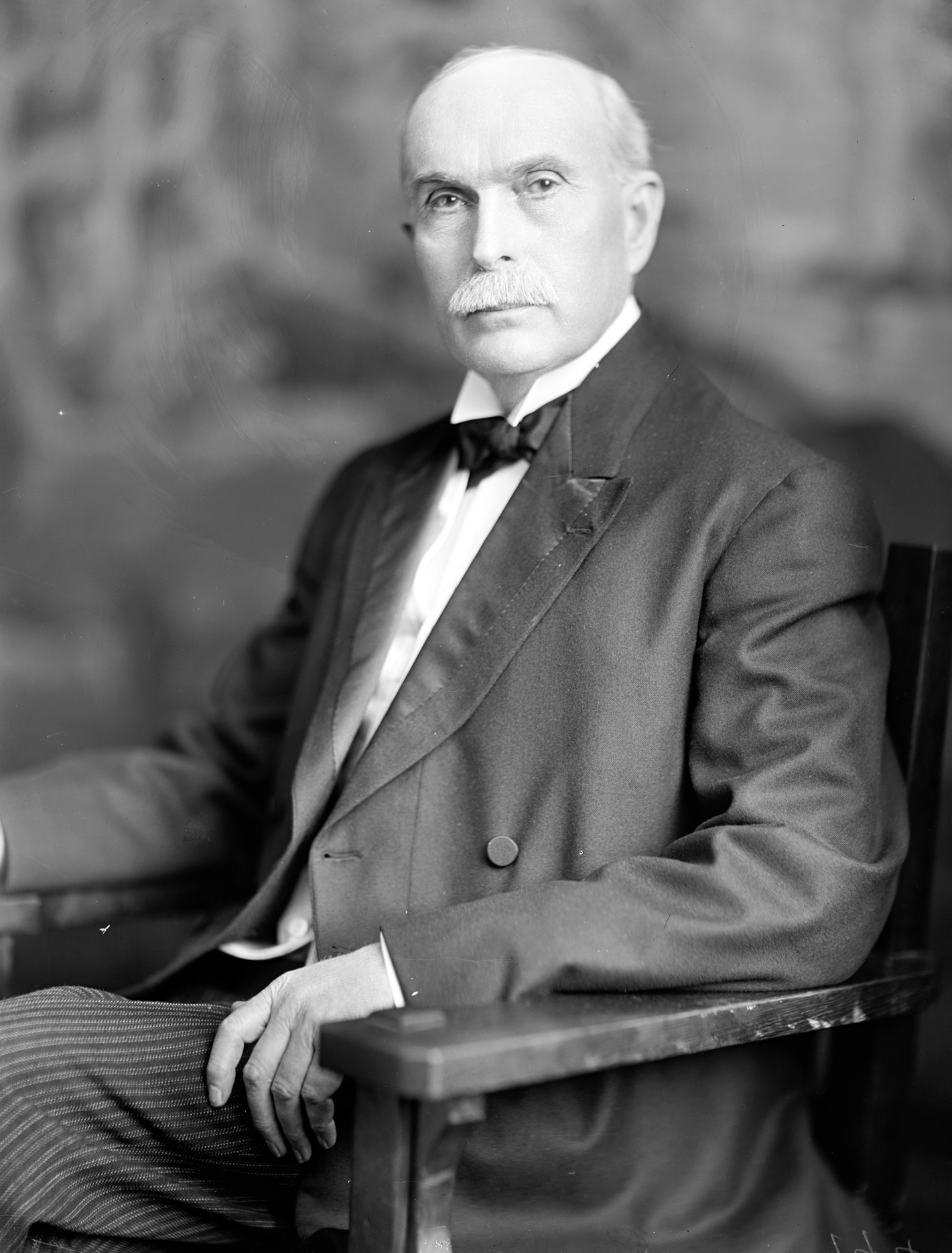
Historical · U.S. House · Maine · District 3
Samuel Gould
Former U.S. Representative · Maine District 3 · 1911–1913 · Democratic
Samuel Gould represented Maine's District 3 in the United States House of Representatives (1911–1913) for the Democratic party. The page below collects sourced biographical facts, term history, committee roles, and provenance for Gould.
Bioguide ID: G000343
Key facts
- Full name
- Samuel Gould
- State
- Maine
- District
- District 3
- Party
- Democratic
- House service
- 1911–1913
- First House term
- 1911
- Status
- Left office
- Current term ends
- —
- Born
- 1852
- Bioguide ID
- G000343
- Committee assignments
- —
- Dataset version
- 1.20260606
Biographical narrative
903 words · sourced from the Wikipedia REST extract
Samuel Gould was a prominent figure in early 20th-century American politics, serving as a United States Representative from Maine. A member of the Democratic Party, he held office in the 62nd Congress from 1911 to 1913. His career spanned various roles, including legal practice and public service, reflecting a deep commitment to his community and the Democratic Party. Gould's political journey was marked by his active participation in state conventions and national party events, showcasing his dedication to the political landscape of Maine and the broader United States.
Early life and career
Samuel Wadsworth Gould was born on January 1, 1852, in Porter, Maine. His early life was shaped by his family's relocation to Hiram, where he received his foundational education in the public schools. Gould's academic pursuits led him to the North Parsonsfield Seminary, an institution that contributed to his educational development. He furthered his studies at the University of Maine, where he graduated in 1877. This educational background provided him with the knowledge and skills that would later serve him in his professional endeavors.
Following his graduation, Gould pursued a career in law. He studied the legal profession and was admitted to the bar, allowing him to commence his practice in Skowhegan, Maine, in 1879. His legal career marked the beginning of his public service, as he became an integral part of the Skowhegan community. In addition to his legal practice, Gould served as the postmaster of Skowhegan from 1896 to 1900, a role that further solidified his standing in local affairs and demonstrated his commitment to public service.
Gould's involvement in politics began early in his career. He attended Democratic State conventions for over four decades, indicating his long-standing dedication to the party. His political engagement included serving as the secretary of the Maine Democratic State Committee from 1882 to 1890. This position allowed him to play a significant role in shaping the party's strategies and policies at the state level. His commitment to the Democratic Party was further evidenced by his participation as a delegate at the Democratic National Conventions in 1900, 1908, and 1912, where he contributed to the national dialogue on key issues of the time.
Despite his active involvement in politics, Gould faced challenges in his electoral pursuits. He ran unsuccessfully for the governorship of Maine in 1902 and sought election to the 61st United States Congress in 1908 but did not secure a seat. These experiences likely informed his later political strategies and deepened his understanding of the electoral process.
House tenure
Gould's political career reached a significant milestone when he was elected to the 62nd United States Congress, serving from March 4, 1911, to March 3, 1913. His election to Congress marked a culmination of his years of political involvement and dedication to the Democratic Party. During his time in office, Gould represented Maine's 3rd congressional district, engaging with various national issues and contributing to legislative discussions.
His tenure in Congress, although brief, was a critical period in American history, characterized by significant social and political changes. The early 1910s were marked by progressive movements, economic shifts, and discussions surrounding labor rights and women's suffrage. As a member of the Democratic Party during this transformative time, Gould was positioned to influence key legislative decisions and contribute to the evolving political landscape.
Despite his efforts, Gould was not successful in his bid for re-election in 1912. This outcome marked the end of his congressional career, but it did not signify a retreat from public life. Following his departure from Congress, he returned to Skowhegan, where he resumed his law practice. His experience in Congress likely enriched his legal work, allowing him to apply his understanding of federal policies and legislative processes to local issues.
Legislative focus and committees
During his time in the House of Representatives, Samuel Gould's legislative focus and committee assignments are not extensively documented. However, given the political climate of the early 20th century, it can be inferred that he engaged with issues pertinent to his constituents in Maine and the broader national context. The early 1910s were a time of significant reform, with discussions surrounding economic policies, labor rights, and social justice gaining momentum. As a member of the Democratic Party, Gould would have been involved in debates and initiatives that aligned with the party's platform, which often emphasized progressive reforms.
Gould's participation in the legislative process would have included collaboration with fellow members of Congress, contributing to discussions and votes on various bills and resolutions. His legal background may have informed his approach to legislative matters, allowing him to analyze proposed laws critically and advocate for the interests of his constituents.
After his congressional term ended in 1913, Gould continued to engage with his community and the Democratic Party. He became involved in various business enterprises, reflecting his adaptability and ongoing commitment to public service. Additionally, he served as president of the board of trustees of the University of Maine, indicating his continued interest in education and community development.
Samuel Gould passed away on December 19, 1935, in Skowhegan, leaving behind a legacy of public service and political engagement. His interment took place in Southside Cemetery, marking the end of a life dedicated to the legal profession, community service, and the Democratic Party. His home in Skowhegan, known as the Gould House, stands as a testament to his contributions to the community and the state of Maine.
Notable legislation
Sponsored and co-sponsored legislation for Samuel Gould is pending operator curation. The biographical narrative above carries the same provenance trail until per-bill rows are written.
Sources
- [1]https://en.wikipedia.org/wiki/Samuel_Wadsworth_GouldWikipedia · retrieved 2026-06-06
Notable quotes
Sourced quotes for Samuel Gould are pending operator curation. Narrative-scope provenance remains attached below.
Sources
- [1]https://en.wikipedia.org/wiki/Samuel_Wadsworth_GouldWikipedia · retrieved 2026-06-06
Key positions
Curated policy positions for Samuel Gould are pending operator review. The biographical narrative above carries the same provenance trail until per-topic positions are written.
Sources
- [1]https://en.wikipedia.org/wiki/Samuel_Wadsworth_GouldWikipedia · retrieved 2026-06-06
Terms served
- 1911–1913U.S. House · Term 1 · Democratic
Sources & provenance
Every attributable claim above carries a per-section [N] marker that resolves to the corresponding URL below. Each entry records the upstream provider, the canonical URL, and the timestamp at which the source was retrieved by the ingest pipeline.
Key facts
- https://bioguide.congress.gov/search/bio/G000343bioguide · retrieved 2026-06-06
- https://www.govtrack.us/congress/members/404699govtrack · retrieved 2026-06-06
Biographical narrative
- https://en.wikipedia.org/wiki/Samuel_Wadsworth_Gouldwikipedia · retrieved 2026-06-06
Find your representative
Every U.S. state elects representatives by district. Browse Maine’s delegation, the full former-representative roster, or explore the role and term length.
Related on The Candidate
- Preceded by Seth MillikenEarlier holder of the Maine District 3 House seat · Republican.Open
- Succeeded by Forrest GoodwinLater holder of the Maine District 3 House seat · Republican.Open
- Amos AllenFormer U.S. Representative · Maine District 1 · RepublicanOpen
- Asher HindsFormer U.S. Representative · Maine District 1 · RepublicanOpen
- Carroll BeedyFormer U.S. Representative · Maine District 1 · RepublicanOpen
- Daniel SomesFormer U.S. Representative · Maine District 1 · RepublicanOpen