
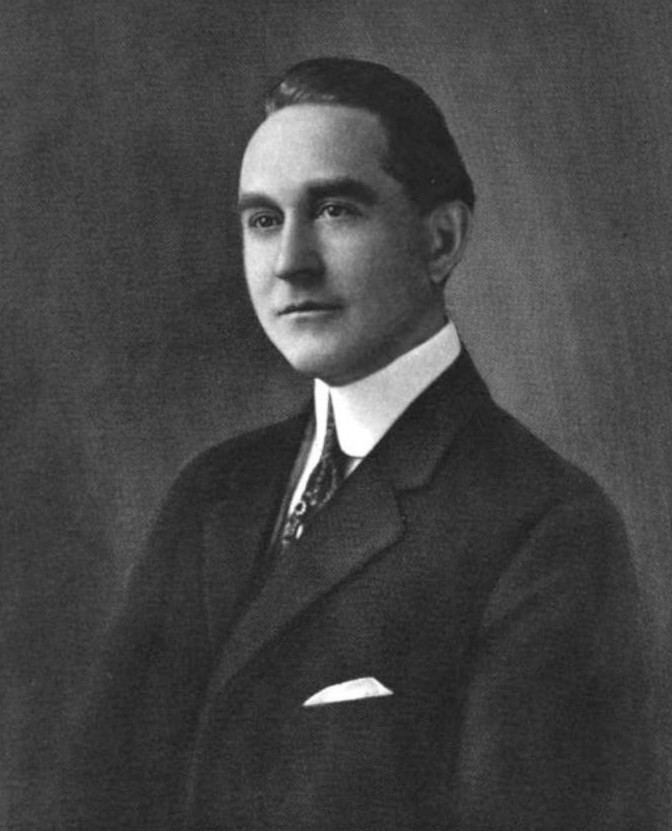
Historical · U.S. House · New Jersey · District 3
Thomas Scully
Former U.S. Representative · New Jersey District 3 · 1911–1921 · Democratic
Thomas Scully represented New Jersey's District 3 in the United States House of Representatives (1911–1921) for the Democratic party. The page below collects sourced biographical facts, term history, committee roles, and provenance for Scully.
Bioguide ID: S000206
Key facts
- Full name
- Thomas Scully
- State
- New Jersey
- District
- District 3
- Party
- Democratic
- House service
- 1911–1921
- First House term
- 1911
- Status
- Left office
- Current term ends
- —
- Born
- 1868
- Bioguide ID
- S000206
- Committee assignments
- —
- Dataset version
- 1.20260606
Biographical narrative
965 words · sourced from the Wikipedia REST extract
Thomas Scully was an American politician affiliated with the Democratic Party, who served as a U.S. Representative for New Jersey's 3rd congressional district. His congressional tenure spanned a decade, during which he was elected to five consecutive terms from 1911 until 1921. Scully's political career was marked by his involvement in local governance prior to his congressional service, as well as his continued commitment to public service after leaving the House of Representatives. He was born on September 19, 1868, in South Amboy, New Jersey, and passed away on December 14, 1921.
Early life and career
Thomas Scully was born in South Amboy, New Jersey, where he spent his formative years. He received his education in the public school system and furthered his studies at Seton Hall College, located in South Orange, New Jersey. This educational background provided him with a foundation that would later support his career in public service and politics.
Before entering the political arena, Scully engaged in the marine towing and transportation business. This involvement in the maritime industry likely provided him with insights into the economic and logistical challenges faced by communities along New Jersey's waterways, which may have influenced his later legislative priorities.
Scully's political career began at the local level. He served on the board of education in South Amboy from 1893 to 1895, where he contributed to the governance of the local educational system. His commitment to public service continued as he took on the role of Mayor of South Amboy, serving in this capacity during the years 1909 and 1910. His tenure as mayor allowed him to gain valuable experience in leadership and municipal governance, which would prove beneficial when he transitioned to a national political role.
In 1911, Scully was elected as a Democrat to the 62nd United States Congress, marking the beginning of his long-standing congressional career. His election to the House of Representatives was a significant step, as it allowed him to represent the interests of his constituents on a larger stage. Over the course of five terms, he would be involved in various legislative activities and contribute to the shaping of national policy.
House tenure
Scully's congressional career began on March 4, 1911, when he took office as a member of the House of Representatives. He was re-elected to four additional terms, serving continuously until March 4, 1921. His tenure in Congress coincided with a period of significant change in American society, including the Progressive Era, which was characterized by social reform and increased government involvement in economic and social issues.
During his time in the House, Scully participated in various legislative initiatives and discussions that were pertinent to his constituents and the nation as a whole. His experience in local government likely informed his understanding of the needs and concerns of the people he represented. Scully's role as a delegate to the 1912 Democratic National Convention further underscores his active engagement in the political landscape of the time, as he contributed to the shaping of the Democratic Party's platform and direction.
Throughout his five terms, Scully worked alongside other members of Congress to address a range of issues, including those related to economic development, infrastructure, and social welfare. His background in the marine towing and transportation business may have influenced his perspectives on transportation policies and the importance of maintaining and improving the nation's waterways and ports.
After completing his congressional service, Scully returned to local politics. He was elected again as Mayor of South Amboy, serving in this role from 1921 until his death later that year. This return to local governance illustrates his ongoing commitment to public service and the welfare of his community.
Legislative focus and committees
While specific details about the legislation Scully supported during his time in Congress are not provided, it can be inferred that his background in transportation and local governance likely influenced his legislative focus. Representatives often prioritize issues that resonate with their constituents, and Scully's experience in the marine industry may have led him to advocate for policies that supported economic growth and infrastructure development in New Jersey.
Scully's involvement in the Democratic National Convention in 1912 suggests that he was engaged with broader party issues and national policies, which may have shaped his legislative priorities. The Progressive Era was marked by a push for reforms aimed at addressing social injustices and improving government accountability, and Scully's alignment with the Democratic Party during this time likely placed him in the midst of these discussions.
In addition to his legislative work, Scully's participation in various committees would have been an essential aspect of his congressional duties. Committees play a crucial role in the legislative process, as they review proposed legislation, conduct hearings, and make recommendations to the full House. Although specific committee assignments for Scully are not detailed in the available information, it is common for representatives to serve on committees that align with their interests and expertise.
After leaving Congress in 1921, Scully continued to serve his community as mayor, demonstrating his enduring dedication to public service. His death on December 14, 1921, marked the end of a life committed to the political and civic engagement of his community. He was interred in St. Mary's Cemetery in South Amboy, New Jersey, leaving behind a legacy of service that spanned both local and national levels of government.
In summary, Thomas Scully's life and career reflect a trajectory of public service that began in local governance and extended to the national stage. His experiences in education, local government, and the marine industry shaped his perspectives and legislative priorities during his time as a U.S. Representative. His commitment to his constituents and community continued even after his congressional tenure, highlighting the importance of local leadership in the broader context of American politics.
Notable legislation
Sponsored and co-sponsored legislation for Thomas Scully is pending operator curation. The biographical narrative above carries the same provenance trail until per-bill rows are written.
Sources
- [1]https://en.wikipedia.org/wiki/Thomas_J._ScullyWikipedia · retrieved 2026-06-06
Notable quotes
Sourced quotes for Thomas Scully are pending operator curation. Narrative-scope provenance remains attached below.
Sources
- [1]https://en.wikipedia.org/wiki/Thomas_J._ScullyWikipedia · retrieved 2026-06-06
Key positions
Curated policy positions for Thomas Scully are pending operator review. The biographical narrative above carries the same provenance trail until per-topic positions are written.
Sources
- [1]https://en.wikipedia.org/wiki/Thomas_J._ScullyWikipedia · retrieved 2026-06-06
Terms served
- 1911–1913U.S. House · Term 1 · Democratic
- 1913–1915U.S. House · Term 2 · Democratic
- 1915–1917U.S. House · Term 3 · Democratic
- 1917–1919U.S. House · Term 4 · Democratic
- 1919–1921U.S. House · Term 5 · Democratic
Sources & provenance
Every attributable claim above carries a per-section [N] marker that resolves to the corresponding URL below. Each entry records the upstream provider, the canonical URL, and the timestamp at which the source was retrieved by the ingest pipeline.
Key facts
- https://bioguide.congress.gov/search/bio/S000206bioguide · retrieved 2026-06-06
- https://www.govtrack.us/congress/members/409711govtrack · retrieved 2026-06-06
Biographical narrative
- https://en.wikipedia.org/wiki/Thomas_J._Scullywikipedia · retrieved 2026-06-06
Find your representative
Every U.S. state elects representatives by district. Browse New Jersey’s delegation, the full former-representative roster, or explore the role and term length.
Related on The Candidate
- Preceded by Benjamin HowellEarlier holder of the New Jersey District 3 House seat · Republican.Open
- Succeeded by Theodore ApplebyLater holder of the New Jersey District 3 House seat · Republican.Open
- Andrew HayFormer U.S. Representative · New Jersey District 1 · WhigOpen
- Charles WolvertonFormer U.S. Representative · New Jersey District 1 · RepublicanOpen
- Christopher BergenFormer U.S. Representative · New Jersey District 1 · RepublicanOpen
- Clement SinnicksonFormer U.S. Representative · New Jersey District 1 · RepublicanOpen