
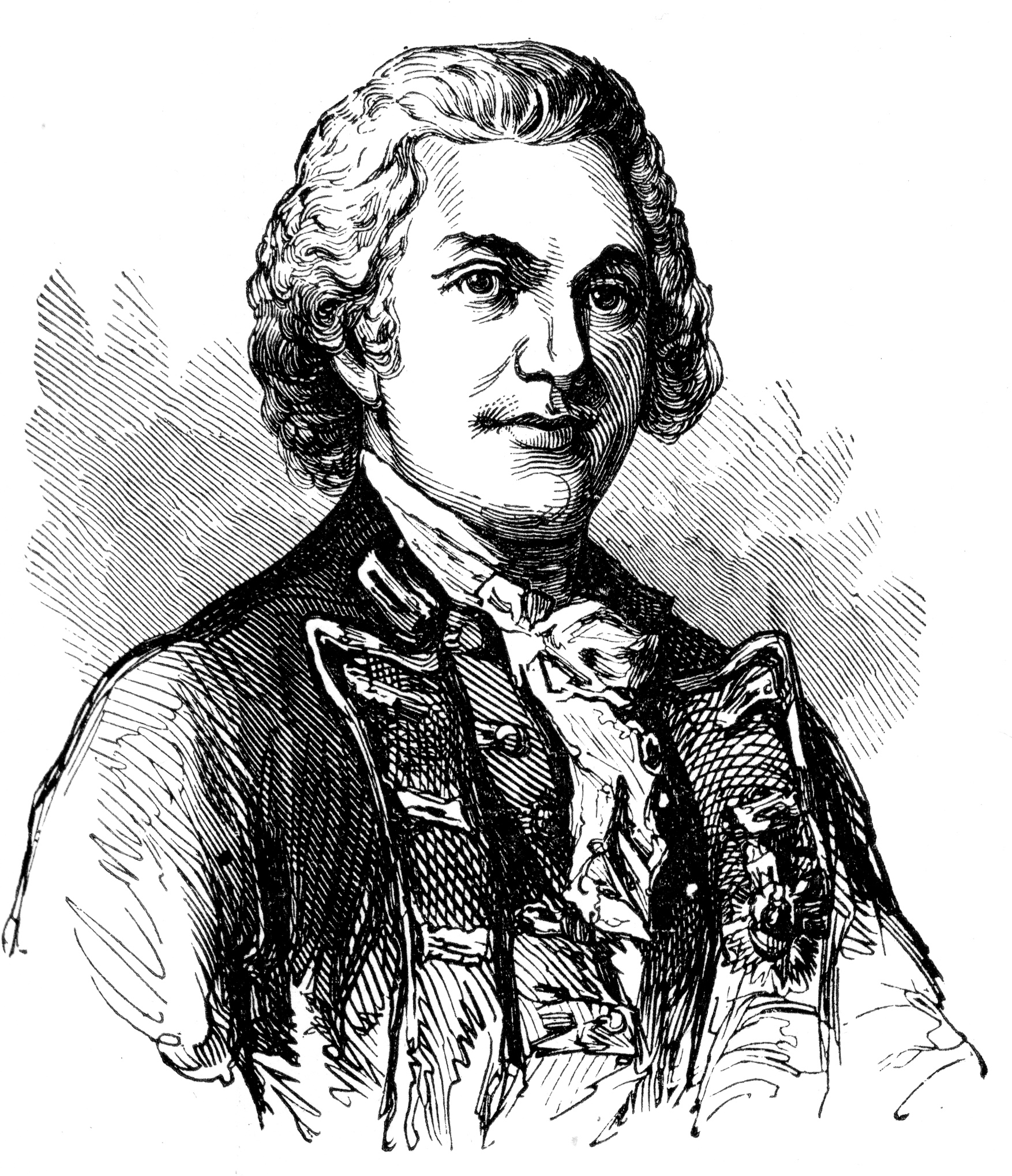
Historical · U.S. House · New York · District 10
Silas Talbot
Former U.S. Representative · New York District 10 · 1793–1795
Silas Talbot represented New York's District 10 in the United States House of Representatives (1793–1795). The page below collects sourced biographical facts, term history, committee roles, and provenance for Talbot.
Bioguide ID: T000019
Key facts
- Full name
- Silas Talbot
- State
- New York
- District
- District 10
- Party
- —
- House service
- 1793–1795
- First House term
- 1793
- Status
- Left office
- Current term ends
- —
- Born
- 1751
- Bioguide ID
- T000019
- Committee assignments
- —
- Dataset version
- 1.20260606
Biographical narrative
923 words · sourced from the Wikipedia REST extract
Silas Talbot was a notable figure in early American history, serving as a U.S. Representative for New York's 10th congressional district and as a military officer during the American Revolutionary War. Born on January 11, 1751, in Dighton, Massachusetts, Talbot's life was marked by his contributions to both military and political spheres. His tenure in the U.S. House of Representatives began in 1793 and concluded in 1795, during which he was involved in the formative years of the United States government. Talbot's legacy extends beyond his political career, as he also played a significant role in the early naval history of the United States.
Early life and career
Silas Talbot was born into a large farming family in the Province of Massachusetts Bay. His early life was characterized by a strong connection to the sea, as he began his seafaring career at the age of twelve, working as a cabin boy on a coasting vessel. This early exposure to maritime life would shape his future endeavors. By 1772, Talbot had accumulated enough savings to purchase property on Weybosset Street in Providence, Rhode Island, where he built a stone home, having learned the trade of stone masonry earlier in his life.
Talbot's upbringing in a farming family provided him with a solid foundation, but it was his ventures into seafaring and property ownership that marked the beginning of his diverse career. His experiences at sea not only equipped him with practical skills but also instilled in him a sense of adventure and resilience. However, it is important to note that Talbot was a slaveowner, a fact that reflects the complex social and economic realities of his time.
House tenure
Silas Talbot's political career began in earnest when he was elected to the U.S. House of Representatives as a member of the Federalist Party, representing New York's 10th congressional district. His term in Congress commenced on March 4, 1793, during a period of significant political and social change in the United States. This was a time when the nation was still in its infancy, grappling with the challenges of governance and the establishment of a new political system.
During his time in the House, Talbot was involved in various legislative discussions and decisions that would shape the future of the country. His tenure lasted until approximately June 5, 1794, when he was appointed by President George Washington as one of the first captains in the newly established United States Navy. This transition from legislator to naval officer illustrates the fluidity of roles in early American governance, where military and political responsibilities often intersected.
While in Congress, Talbot was one of the nine representatives who voted against the Eleventh Amendment to the United States Constitution. This amendment, which addresses the judicial power of the United States, reflects the contentious debates surrounding the balance of power between state and federal authorities during the early years of the republic. Talbot's decision to oppose the amendment indicates his engagement with the critical issues of his time, although the specific reasons for his opposition are not detailed in the available records.
Legislative focus and committees
Silas Talbot's legislative focus during his time in the House of Representatives is not extensively documented, but his subsequent military career provides context for understanding his priorities. Following his congressional term, Talbot was tasked with overseeing the construction of the frigate USS President in New York, a significant responsibility that highlights his expertise in naval matters. This role marked a continuation of his commitment to the defense and expansion of American maritime interests.
After the construction of the USS President was suspended in April 1796, Talbot's naval career continued to evolve. With the onset of the Quasi-War with France, he was re-commissioned as a captain in the United States Navy on May 11, 1798. His leadership during this conflict was marked by his command of the USS Constitution from June 5, 1799, until September 8, 1801. Under his command, the USS Constitution played a crucial role in protecting American commerce from French privateers, demonstrating Talbot's effectiveness as a naval officer.
Throughout his naval service, Talbot was recognized for his contributions to American maritime security. He commanded a U.S. Navy squadron operating off the French colony of Saint-Domingue, where he was commended for safeguarding American trade interests. His efforts laid the groundwork for establishing permanent trade relations with the colony, showcasing his ability to navigate complex international waters during a tumultuous period.
Talbot's military service was not without personal cost; he reportedly sustained numerous injuries during his career, including being wounded thirteen times and carrying five bullets in his body. These experiences reflect the dangers faced by military leaders of his time and underscore the sacrifices made by those who served in the early U.S. Navy.
After resigning from the Navy on September 21, 1801, Talbot continued to be involved in public life until his death on June 30, 1813, in New York City. He was laid to rest in Trinity Churchyard in lower Manhattan, a testament to his contributions to the nation.
In summary, Silas Talbot's life encapsulates the multifaceted nature of early American leadership. His transition from a military officer to a U.S. Representative and back to naval command illustrates the interconnectedness of military and political roles in the formative years of the United States. His legacy is marked by his service in both the Continental Army and Navy, as well as his brief but significant tenure in Congress, reflecting the complexities of a nation in its early stages of development.
Notable legislation
Sponsored and co-sponsored legislation for Silas Talbot is pending operator curation. The biographical narrative above carries the same provenance trail until per-bill rows are written.
Sources
- [1]https://en.wikipedia.org/wiki/Silas_TalbotWikipedia · retrieved 2026-06-06
Notable quotes
Sourced quotes for Silas Talbot are pending operator curation. Narrative-scope provenance remains attached below.
Sources
- [1]https://en.wikipedia.org/wiki/Silas_TalbotWikipedia · retrieved 2026-06-06
Key positions
Curated policy positions for Silas Talbot are pending operator review. The biographical narrative above carries the same provenance trail until per-topic positions are written.
Sources
- [1]https://en.wikipedia.org/wiki/Silas_TalbotWikipedia · retrieved 2026-06-06
Terms served
- 1793–1795U.S. House · Term 1
Sources & provenance
Every attributable claim above carries a per-section [N] marker that resolves to the corresponding URL below. Each entry records the upstream provider, the canonical URL, and the timestamp at which the source was retrieved by the ingest pipeline.
Key facts
- https://bioguide.congress.gov/search/bio/T000019bioguide · retrieved 2026-06-06
- https://www.govtrack.us/congress/members/410609govtrack · retrieved 2026-06-06
Biographical narrative
- https://en.wikipedia.org/wiki/Silas_Talbotwikipedia · retrieved 2026-06-06
Find your representative
Every U.S. state elects representatives by district. Browse New York’s delegation, the full former-representative roster, or explore the role and term length.
Related on The Candidate
- Succeeded by William CooperLater holder of the New York District 10 House seat · Federalist.Open
- Abel HuntingtonFormer U.S. Representative · New York District 1 · JacksonOpen
- Alfred ChapinFormer U.S. Representative · New York District 1 · DemocraticOpen
- Cadwallader ColdenFormer U.S. Representative · New York District 1 · FederalistOpen
- Charles FloydFormer U.S. Representative · New York District 1 · DemocraticOpen
- Representatives from New YorkEvery former U.S. Representative who has represented New York.Open