
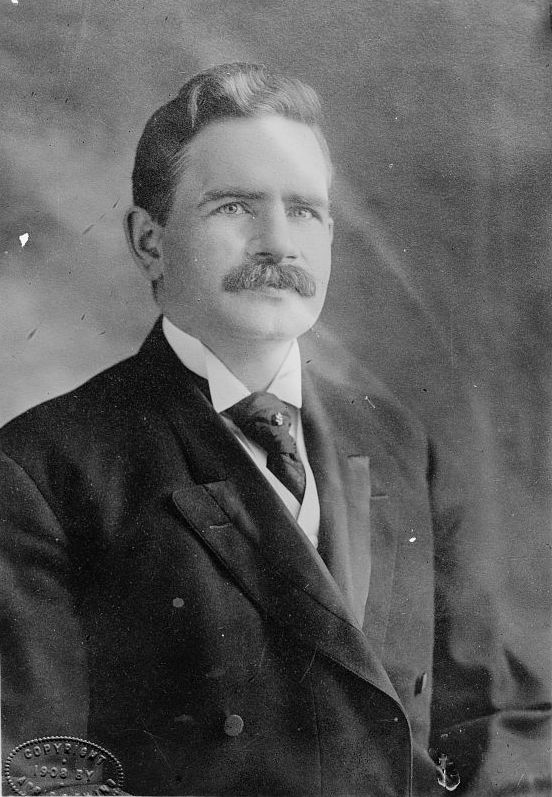
Historical · U.S. House · New York · District 14
William Willett Jr.
Former U.S. Representative · New York District 14 · 1907–1911 · Democratic
William Willett Jr. represented New York's District 14 in the United States House of Representatives (1907–1911) for the Democratic party. The page below collects sourced biographical facts, term history, committee roles, and provenance for Jr..
Bioguide ID: W000481
Key facts
- Full name
- William Willett Jr.
- State
- New York
- District
- District 14
- Party
- Democratic
- House service
- 1907–1911
- First House term
- 1907
- Status
- Left office
- Current term ends
- —
- Born
- 1869
- Bioguide ID
- W000481
- Committee assignments
- —
- Dataset version
- 1.20260606
Biographical narrative
868 words · sourced from the Wikipedia REST extract
William Willett Jr. was an American lawyer and politician who served as a U.S. Representative for New York's 14th congressional district from 1907 to 1911. A member of the Democratic Party, Willett's congressional career was marked by a notable incident involving a contentious speech against President Theodore Roosevelt, which led to a significant reprimand from the House. Following his time in Congress, Willett faced legal troubles that culminated in a conviction for conspiracy and bribery, resulting in a prison sentence. After his release, he transitioned into the real estate business. Willett was born on November 27, 1869, in Brooklyn, New York, and passed away on February 12, 1938.
Early life and career
William Willett Jr. was born in Brooklyn, New York, where he spent his formative years. He attended the public schools in Brooklyn, which provided him with a foundational education. Willett pursued higher education at New York University, specifically in the law department, where he graduated in 1895. His academic achievements in law paved the way for his admission to the bar in 1896, allowing him to begin his legal career in New York City.
As a practicing lawyer, Willett engaged in various legal matters, which likely contributed to his understanding of the political landscape and the legal frameworks that govern public service. His legal background would later inform his work as a legislator, as he navigated the complexities of lawmaking and governance during his time in Congress.
House tenure
Willett's political career took a significant turn when he was elected to the U.S. House of Representatives as a Democrat, representing New York's 14th congressional district. His first term began on March 4, 1907, and he was subsequently re-elected for a second term, serving until March 3, 1911. During his time in Congress, Willett participated in the legislative process during a period characterized by significant political and social changes in the United States.
One of the most notable events during Willett's congressional tenure occurred on January 18, 1909, when he delivered a speech that criticized President Theodore Roosevelt. The speech was deemed so controversial that Willett was ordered to cease speaking, and the House voted against allowing him to continue. This incident highlighted the contentious nature of political discourse at the time and underscored the challenges faced by members of Congress when addressing powerful figures in government. Subsequently, on January 27, 1909, the House took the unusual step of expunging Willett's speech from the Congressional Record, citing its "improper language" and violation of the privileges of debate. This action reflected the tensions within Congress and the limits placed on free expression in the legislative context.
Despite his initial electoral success, Willett did not seek renomination in 1910, marking the end of his congressional career. The reasons for his decision not to run again are not detailed in the available records, but it may have been influenced by the controversies surrounding his tenure or personal considerations.
Legislative focus and committees
During his time in the House of Representatives, Willett's specific legislative focus and committee assignments are not extensively documented in the available records. However, as a member of the Democratic Party during the early 20th century, he would have been involved in discussions and legislation pertinent to the pressing issues of the time, including labor rights, economic reform, and social welfare. The early 1900s were marked by significant changes in American society, including the Progressive Era, which sought to address issues such as corruption in politics, the rights of workers, and the expansion of democracy.
Willett's legal background may have influenced his approach to legislative matters, particularly in areas related to law and governance. His experience as a lawyer could have provided him with insights into the legal implications of proposed legislation and the importance of adhering to ethical standards in public service.
However, Willett's congressional career was overshadowed by his later legal troubles. In 1912, he was indicted on charges related to conspiracy and bribery, specifically for allegedly paying Democratic Party leaders in an attempt to secure a position on the State Supreme Court. This scandal marked a significant turning point in Willett's life and career. In 1913, he was convicted, and after exhausting his appeals, he served 14 months in Sing Sing prison. This period of incarceration not only impacted Willett's reputation but also effectively ended his political aspirations.
Following his release from prison, Willett transitioned into the real estate business, indicating a shift in his professional focus. The real estate sector offered him an opportunity to rebuild his career outside of the political arena. The specifics of his ventures in real estate are not detailed in the available records, but this move reflects a common path for individuals seeking to re-establish themselves after facing legal challenges.
William Willett Jr. passed away on February 12, 1938, in New York City. His remains were interred at the Cemetery of the Evergreens in Brooklyn, New York. His life and career serve as a reflection of the complexities of early 20th-century American politics, illustrating both the opportunities and challenges faced by public figures during that era. While Willett's time in Congress was marked by notable incidents and controversies, his subsequent legal troubles ultimately defined his legacy.
Notable legislation
Sponsored and co-sponsored legislation for William Willett Jr. is pending operator curation. The biographical narrative above carries the same provenance trail until per-bill rows are written.
Sources
- [1]https://en.wikipedia.org/wiki/William_Willett_Jr.Wikipedia · retrieved 2026-06-06
Notable quotes
Sourced quotes for William Willett Jr. are pending operator curation. Narrative-scope provenance remains attached below.
Sources
- [1]https://en.wikipedia.org/wiki/William_Willett_Jr.Wikipedia · retrieved 2026-06-06
Key positions
Curated policy positions for William Willett Jr. are pending operator review. The biographical narrative above carries the same provenance trail until per-topic positions are written.
Sources
- [1]https://en.wikipedia.org/wiki/William_Willett_Jr.Wikipedia · retrieved 2026-06-06
Terms served
- 1907–1909U.S. House · Term 1 · Democratic
- 1909–1911U.S. House · Term 2 · Democratic
Sources & provenance
Every attributable claim above carries a per-section [N] marker that resolves to the corresponding URL below. Each entry records the upstream provider, the canonical URL, and the timestamp at which the source was retrieved by the ingest pipeline.
Key facts
- https://bioguide.congress.gov/search/bio/W000481bioguide · retrieved 2026-06-06
- https://www.govtrack.us/congress/members/411638govtrack · retrieved 2026-06-06
Biographical narrative
- https://en.wikipedia.org/wiki/William_Willett_Jr.wikipedia · retrieved 2026-06-06
Find your representative
Every U.S. state elects representatives by district. Browse New York’s delegation, the full former-representative roster, or explore the role and term length.
Related on The Candidate
- Preceded by Ira RiderEarlier holder of the New York District 14 House seat · Democratic.Open
- Succeeded by Michael FarleyLater holder of the New York District 14 House seat · Democratic.Open
- Abel HuntingtonFormer U.S. Representative · New York District 1 · JacksonOpen
- Alfred ChapinFormer U.S. Representative · New York District 1 · DemocraticOpen
- Cadwallader ColdenFormer U.S. Representative · New York District 1 · FederalistOpen
- Charles FloydFormer U.S. Representative · New York District 1 · DemocraticOpen