
Historical · U.S. House · New York · District 15
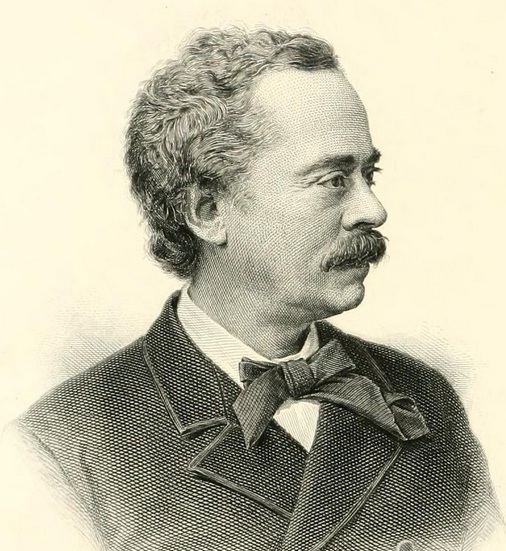
Lewis Beach
Former U.S. Representative · New York District 15 · 1881–1887 · Democratic
Lewis Beach represented New York's District 15 in the United States House of Representatives (1881–1887) for the Democratic party. The page below collects sourced biographical facts, term history, committee roles, and provenance for Beach.
Bioguide ID: B000263
Key facts
- Full name
- Lewis Beach
- State
- New York
- District
- District 15
- Party
- Democratic
- House service
- 1881–1887
- First House term
- 1881
- Status
- Left office
- Current term ends
- —
- Born
- 1835
- Bioguide ID
- B000263
- Committee assignments
- —
- Dataset version
- 1.20260606
Biographical narrative
915 words · sourced from the Wikipedia REST extract
Lewis Beach was an American politician who served as a U.S. Representative from New York. A member of the Democratic Party, he represented the fourteenth and fifteenth congressional districts during his time in office. Beach was elected to three terms in the U.S. House of Representatives, where he was involved in various legislative activities and served on key committees. His political career was cut short by his untimely death in 1886, but his contributions to the political landscape of New York during the late 19th century remain notable.
Early life and career
Lewis Beach was born on March 30, 1835, in New York City. His early education and formative years set the stage for a career in law and politics. He pursued higher education at Yale Law School, where he graduated in 1856. Following his graduation, Beach was admitted to the bar in the same year and began practicing law in New York City. His legal career provided him with the foundational skills necessary for his later political endeavors.
In 1861, Beach relocated to Orange County, New York, a move that would influence his political trajectory. His involvement in local politics began to take shape as he became actively engaged in the Democratic Party. Between 1877 and 1879, he served as a member and treasurer of the Democratic State Central Committee, a role that allowed him to establish connections and gain experience in party organization and electoral strategy. This involvement in state politics was instrumental in building his reputation and preparing him for a future in the U.S. Congress.
In addition to his political activities, Beach contributed to the historical record of his community. In 1873, he published a history of Cornwall, New York, which reflects his interest in local history and his commitment to documenting the past of the area he called home. This publication not only showcased his writing abilities but also his dedication to preserving the heritage of his community.
House tenure
Lewis Beach's congressional career began when he was elected as a Democrat to the Forty-seventh Congress, representing New York's fourteenth congressional district. His first term in the House of Representatives commenced on March 4, 1881, and he served until March 3, 1885. During this period, Beach participated in various legislative discussions and contributed to the development of policies that affected his constituents and the nation.
Following his initial term, Beach was re-elected to the Forty-eighth Congress, continuing to represent the fourteenth district. His tenure during these two terms was marked by his involvement in significant legislative matters, although specific details regarding the bills he supported or opposed are not documented in the available records.
In 1885, Beach transitioned to represent New York's fifteenth congressional district after being elected to the Forty-ninth Congress. His service in this capacity began on March 4, 1885. During his time in the Forty-ninth Congress, Beach held the position of chairman of the Committee on Expenditures on Public Buildings. This role placed him at the forefront of discussions regarding federal spending on public infrastructure, a critical issue during the period as the nation was experiencing various economic challenges.
Beach's time in Congress was characterized by a commitment to his constituents and a focus on issues pertinent to his district. However, his legislative career was tragically cut short when he passed away on August 10, 1886, while still in office. His death was attributed to typhoid fever and Bright's disease, and he was 51 years old at the time of his passing. Beach died at his residence, known as "Knoll View," located in Cornwall, Orange County, New York. His contributions to the House of Representatives were recognized posthumously, and he was interred at Green-Wood Cemetery in Brooklyn, New York.
Legislative focus and committees
Throughout his congressional career, Lewis Beach was involved in various legislative matters, although specific details about his voting record and the legislation he championed are not extensively documented. His role as chairman of the Committee on Expenditures on Public Buildings during the Forty-ninth Congress indicates a focus on fiscal responsibility and oversight of government spending related to public infrastructure. This position was significant, especially during a time when the United States was grappling with the implications of economic growth and urban development.
As a member of the Democratic Party, Beach's legislative priorities likely aligned with the party's platform, which during the late 19th century included issues such as labor rights, economic reform, and government accountability. His experience as a lawyer and his involvement in local politics would have informed his perspective on these matters, allowing him to advocate effectively for his constituents' interests.
Beach's tenure in Congress also coincided with a period of significant change in American society, including industrialization and urbanization. These transformations brought about new challenges and opportunities for legislators. While specific legislative achievements during his time in office are not detailed in the available records, his participation in Congress during this dynamic era suggests that he was engaged with the pressing issues of his time.
In summary, Lewis Beach's career as a U.S. Representative from New York was marked by his commitment to public service and his involvement in the Democratic Party. His early legal career and local political engagement laid the groundwork for his eventual election to Congress, where he served three terms and held a leadership position on a key committee. Despite his untimely death, Beach's contributions to the political landscape of New York and his dedication to his constituents remain a part of his legacy.
Notable legislation
Sponsored and co-sponsored legislation for Lewis Beach is pending operator curation. The biographical narrative above carries the same provenance trail until per-bill rows are written.
Sources
- [1]https://en.wikipedia.org/wiki/Lewis_BeachWikipedia · retrieved 2026-06-06
Notable quotes
Sourced quotes for Lewis Beach are pending operator curation. Narrative-scope provenance remains attached below.
Sources
- [1]https://en.wikipedia.org/wiki/Lewis_BeachWikipedia · retrieved 2026-06-06
Key positions
Curated policy positions for Lewis Beach are pending operator review. The biographical narrative above carries the same provenance trail until per-topic positions are written.
Sources
- [1]https://en.wikipedia.org/wiki/Lewis_BeachWikipedia · retrieved 2026-06-06
Terms served
- 1881–1883U.S. House · Term 1 · Democratic
- 1883–1885U.S. House · Term 2 · Democratic
- 1885–1887U.S. House · Term 3 · Democratic
Sources & provenance
Every attributable claim above carries a per-section [N] marker that resolves to the corresponding URL below. Each entry records the upstream provider, the canonical URL, and the timestamp at which the source was retrieved by the ingest pipeline.
Key facts
- https://bioguide.congress.gov/search/bio/B000263bioguide · retrieved 2026-06-06
- https://www.govtrack.us/congress/members/401257govtrack · retrieved 2026-06-06
Biographical narrative
- https://en.wikipedia.org/wiki/Lewis_Beachwikipedia · retrieved 2026-06-06
Find your representative
Every U.S. state elects representatives by district. Browse New York’s delegation, the full former-representative roster, or explore the role and term length.
Related on The Candidate
- Preceded by William LounsberyEarlier holder of the New York District 15 House seat · Democratic.Open
- Succeeded by Ashbel FitchLater holder of the New York District 15 House seat · Democratic.Open
- Abel HuntingtonFormer U.S. Representative · New York District 1 · JacksonOpen
- Alfred ChapinFormer U.S. Representative · New York District 1 · DemocraticOpen
- Cadwallader ColdenFormer U.S. Representative · New York District 1 · FederalistOpen
- Charles FloydFormer U.S. Representative · New York District 1 · DemocraticOpen