
Historical · U.S. House · New York · District 17
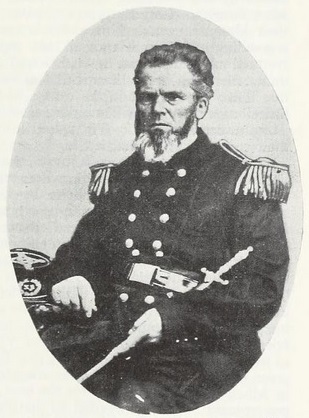
Socrates Sherman
Former U.S. Representative · New York District 17 · 1861–1863 · Republican
Socrates Sherman represented New York's District 17 in the United States House of Representatives (1861–1863) for the Republican party. The page below collects sourced biographical facts, term history, committee roles, and provenance for Sherman.
Bioguide ID: S000350
Key facts
- Full name
- Socrates Sherman
- State
- New York
- District
- District 17
- Party
- Republican
- House service
- 1861–1863
- First House term
- 1861
- Status
- Left office
- Current term ends
- —
- Born
- 1801
- Bioguide ID
- S000350
- Committee assignments
- —
- Dataset version
- 1.20260606
Biographical narrative
869 words · sourced from the Wikipedia REST extract
Socrates Sherman was a notable figure in American history, serving as a U.S. Representative from New York during a tumultuous period in the nation's past. Born on July 22, 1801, in Barre, Vermont, Sherman was not only a politician but also a physician and an officer in the Union Army during the American Civil War. His career spanned various fields, reflecting a commitment to public service and the health of his community. He served in the U.S. House of Representatives from 1861 to 1863, representing New York's 17th congressional district as a member of the Republican Party. Following his term in Congress, Sherman continued his medical practice until his death on February 1, 1873.
Early life and career
Socrates Sherman was born in Barre, Vermont, where he received his early education in local grade schools and high school. His academic pursuits led him to Castleton Medical College, where he studied medicine and graduated in 1824. This educational background laid the foundation for his future career as a physician. In 1825, Sherman relocated to Ogdensburg, New York, where he opened a medical practice. His decision to move to Ogdensburg marked the beginning of his long-standing connection to the community, where he would become a respected figure.
As a physician, Sherman was dedicated to the health and well-being of his patients. His medical practice allowed him to establish strong ties within the community, which would later play a significant role in his political career. The skills he developed as a doctor, including critical thinking and a commitment to service, would serve him well in his subsequent role as a public servant. Sherman's early life and career were characterized by a strong sense of duty, both to his patients and to the broader community.
House tenure
Socrates Sherman was elected to the U.S. House of Representatives as a member of the Republican Party, taking office on March 4, 1861. His election came at a time when the nation was on the brink of the Civil War, a conflict that would shape the course of American history. Sherman represented New York's 17th congressional district during the Thirty-seventh Congress, a period marked by significant legislative challenges and national strife.
During his time in Congress, Sherman participated in the legislative process at a critical juncture for the United States. The Civil War brought about numerous issues that required urgent attention, including matters related to military funding, civil rights, and the governance of war-torn areas. Sherman served in the House until March 3, 1863, when his term ended. Notably, he chose not to seek renomination in the elections of 1862, a decision that reflected his focus on other commitments, including his military service.
Following his congressional tenure, Sherman mustered into military service during the latter half of the Civil War. He joined the Thirty-fourth Regiment, New York Volunteer Infantry, where he served as a major and surgeon. His medical expertise was invaluable during the war, as he provided care to soldiers on the front lines. Sherman was mustered out of military service on October 7, 1865, achieving the brevet rank of lieutenant colonel in the U.S. Volunteers. This experience further solidified his commitment to public service and demonstrated his dedication to the nation during a time of crisis.
Legislative focus and committees
While specific details regarding Sherman’s legislative focus and committee assignments during his time in the House of Representatives are not extensively documented, it is clear that his background as a physician would have informed his perspectives on health-related issues and public welfare. As a member of the Republican Party during the Civil War, Sherman likely engaged with legislation that addressed the pressing needs of the nation, including military support and the welfare of soldiers and their families.
The Civil War era was characterized by significant legislative activity aimed at addressing the challenges posed by the conflict. Issues such as military funding, the treatment of soldiers, and the management of war-related resources were paramount. Sherman's medical background would have provided him with unique insights into the health care needs of soldiers and the importance of medical support during wartime. His experiences as a physician may have influenced his contributions to discussions on health care policy and the treatment of veterans.
After his congressional service, Sherman returned to Ogdensburg, where he resumed his medical practice. His continued dedication to medicine and community service underscored his commitment to public health and welfare, which likely remained a focus throughout his life. Sherman’s dual roles as a physician and a public servant reflect a broader trend of professionals in the medical field engaging in politics during this period, as they sought to influence policy and improve the lives of their constituents.
In summary, Socrates Sherman’s life was marked by a commitment to both medicine and public service. His tenure as a U.S. Representative from New York during a pivotal time in American history showcased his dedication to the nation and his community. Through his work as a physician and his service in the military, Sherman exemplified the spirit of public service that characterized many individuals of his time. His legacy continues to be remembered as part of the rich tapestry of American political and medical history.
Notable legislation
Sponsored and co-sponsored legislation for Socrates Sherman is pending operator curation. The biographical narrative above carries the same provenance trail until per-bill rows are written.
Sources
- [1]https://en.wikipedia.org/wiki/Socrates_N._ShermanWikipedia · retrieved 2026-06-06
Notable quotes
Sourced quotes for Socrates Sherman are pending operator curation. Narrative-scope provenance remains attached below.
Sources
- [1]https://en.wikipedia.org/wiki/Socrates_N._ShermanWikipedia · retrieved 2026-06-06
Key positions
Curated policy positions for Socrates Sherman are pending operator review. The biographical narrative above carries the same provenance trail until per-topic positions are written.
Sources
- [1]https://en.wikipedia.org/wiki/Socrates_N._ShermanWikipedia · retrieved 2026-06-06
Terms served
- 1861–1863U.S. House · Term 1 · Republican
Sources & provenance
Every attributable claim above carries a per-section [N] marker that resolves to the corresponding URL below. Each entry records the upstream provider, the canonical URL, and the timestamp at which the source was retrieved by the ingest pipeline.
Key facts
- https://bioguide.congress.gov/search/bio/S000350bioguide · retrieved 2026-06-06
- https://www.govtrack.us/congress/members/409846govtrack · retrieved 2026-06-06
Biographical narrative
- https://en.wikipedia.org/wiki/Socrates_N._Shermanwikipedia · retrieved 2026-06-06
Find your representative
Every U.S. state elects representatives by district. Browse New York’s delegation, the full former-representative roster, or explore the role and term length.
Related on The Candidate
- Preceded by Francis SpinnerEarlier holder of the New York District 17 House seat · Republican.Open
- Succeeded by Calvin HulburdLater holder of the New York District 17 House seat · Republican.Open
- Abel HuntingtonFormer U.S. Representative · New York District 1 · JacksonOpen
- Alfred ChapinFormer U.S. Representative · New York District 1 · DemocraticOpen
- Cadwallader ColdenFormer U.S. Representative · New York District 1 · FederalistOpen
- Charles FloydFormer U.S. Representative · New York District 1 · DemocraticOpen