
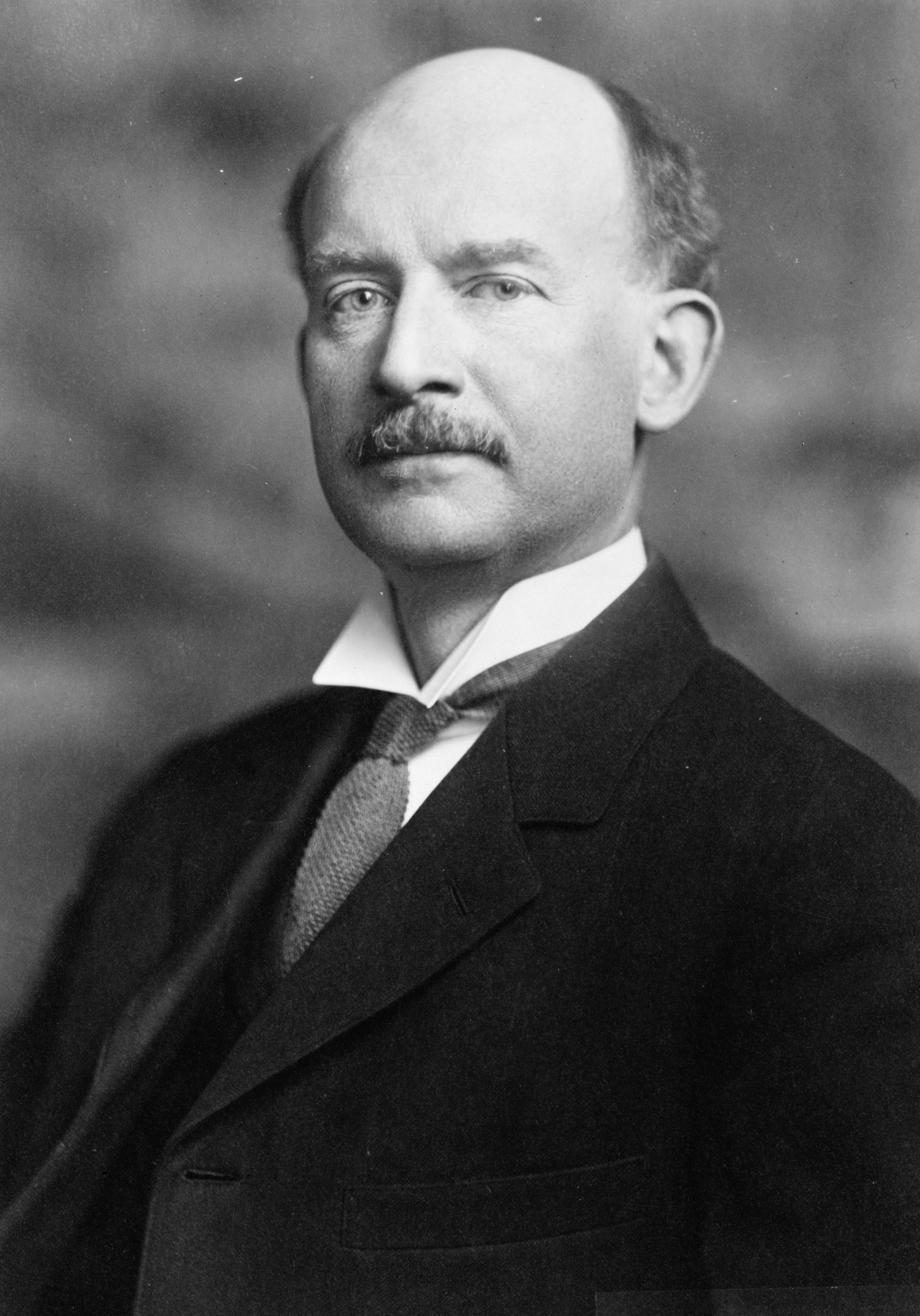
Historical · U.S. House · New York · District 21
Henry George Jr.
Former U.S. Representative · New York District 21 · 1911–1915 · Democratic
Henry George Jr. represented New York's District 21 in the United States House of Representatives (1911–1915) for the Democratic party. The page below collects sourced biographical facts, term history, committee roles, and provenance for Jr..
Bioguide ID: G000126
Key facts
- Full name
- Henry George Jr.
- State
- New York
- District
- District 21
- Party
- Democratic
- House service
- 1911–1915
- First House term
- 1911
- Status
- Left office
- Current term ends
- —
- Born
- 1862
- Bioguide ID
- G000126
- Committee assignments
- —
- Dataset version
- 1.20260606
Biographical narrative
898 words · sourced from the Wikipedia REST extract
Henry George Jr. was an American newspaperman and politician who served as a U.S. Representative from New York's 21st congressional district from 1911 to 1915. He was a member of the Democratic Party and was the son of the notable political economist Henry George. Throughout his life, George was involved in journalism and public service, contributing to various publications and engaging in political activities, including a notable but unsuccessful bid for mayor of New York City.
Early life and career
Henry George Jr. was born on November 3, 1862, in Sacramento, California. He received his early education in local schools. At the age of sixteen, he began his professional career in a printing office, where he worked for a year. In 1880, George and his family relocated to Brooklyn, New York. Shortly after the move, he began working as a reporter for the Brooklyn Eagle in 1881, marking the beginning of his long engagement with journalism.
In 1884, George accompanied his father, Henry George, on a lecture tour of Great Britain, serving as his secretary. This experience provided him with valuable insights into public speaking and political discourse. After the tour, he joined the staff of the London Truth, a publication known for its investigative journalism. Upon returning to the United States, he continued his career in journalism by working for the North American Review, a prominent literary and political magazine.
George's career progressed as he took on various roles in the field of journalism. He served as the managing editor of the Standard from 1887 to 1891, during which time he honed his editorial skills and developed a reputation as a capable leader in the newsroom. In 1891, he became a correspondent in Washington, D.C., for a syndicate of western newspapers, and in 1892, he took on a similar role in England for the same syndicate. His experiences in these positions allowed him to cover significant political events and gain a deeper understanding of national and international issues.
In 1893, George became the managing editor of the Florida Citizen in Jacksonville, Florida, further expanding his journalistic portfolio. He returned to New York City in 1895, where he continued to engage in literary pursuits. Following the death of his father on October 29, 1897, he was nominated by the Jefferson Democracy Party to run for mayor of New York City but ultimately did not succeed in the election. In his personal life, George married Marie Morelle Hitch on December 2, 1897. She was the younger sister of Caroline Takamine Beach and hailed from Orleans Parish, Louisiana. In 1906, he worked as a special correspondent in Japan, showcasing his versatility and ability to adapt to different cultural contexts.
House tenure
Henry George Jr. was elected to the U.S. House of Representatives as a Democrat, serving during the Sixty-second and Sixty-third Congresses from March 4, 1911, to March 4, 1915. His election to Congress marked a significant transition from his previous career in journalism to a formal role in legislative governance. During his time in office, George was involved in various legislative activities and contributed to the discussions and decisions that shaped national policy.
Throughout his congressional tenure, George focused on issues pertinent to his constituents and the broader American public. He participated in debates and discussions that reflected the political climate of the early 20th century, a period marked by significant social and economic changes in the United States. His background in journalism likely informed his approach to legislative matters, as he was accustomed to analyzing complex issues and communicating them to the public.
Despite his active role in Congress, George did not seek reelection in 1914, concluding his time in the House after two terms. His decision not to run again may have been influenced by various factors, including personal considerations and the political landscape of the time.
Legislative focus and committees
During his time in the House of Representatives, Henry George Jr. focused on a range of legislative issues, although specific details regarding the bills he sponsored or the committees he served on are not extensively documented. His background in journalism and his family's legacy in political economics may have influenced his legislative priorities, possibly leading him to advocate for issues related to social justice, economic reform, and public welfare.
George's engagement in legislative matters was likely shaped by the progressive movements of the early 20th century, which sought to address the challenges faced by American society, including labor rights, economic inequality, and social reform. His experiences as a correspondent and editor may have provided him with a unique perspective on the importance of effective communication and public engagement in the political process.
After his congressional tenure, George continued to pursue literary interests, contributing to the discourse on political and social issues through his writings. He authored works such as "The Life of Henry George" and "The Menace of Privilege," which reflect his ongoing commitment to exploring themes related to economic justice and the implications of privilege in society.
Henry George Jr. passed away on November 14, 1916, in Washington, D.C. His contributions to journalism and public service left a mark on the political landscape of his time. He was interred at Green-Wood Cemetery in Brooklyn, New York, where he rests alongside his father and other notable figures. His legacy continues to be recognized through his writings and his role in American political history.
Notable legislation
Sponsored and co-sponsored legislation for Henry George Jr. is pending operator curation. The biographical narrative above carries the same provenance trail until per-bill rows are written.
Sources
- [1]https://en.wikipedia.org/wiki/Henry_George_Jr.Wikipedia · retrieved 2026-06-06
Notable quotes
Sourced quotes for Henry George Jr. are pending operator curation. Narrative-scope provenance remains attached below.
Sources
- [1]https://en.wikipedia.org/wiki/Henry_George_Jr.Wikipedia · retrieved 2026-06-06
Key positions
Curated policy positions for Henry George Jr. are pending operator review. The biographical narrative above carries the same provenance trail until per-topic positions are written.
Sources
- [1]https://en.wikipedia.org/wiki/Henry_George_Jr.Wikipedia · retrieved 2026-06-06
Terms served
- 1911–1913U.S. House · Term 1 · Democratic
- 1913–1915U.S. House · Term 2 · Democratic
Sources & provenance
Every attributable claim above carries a per-section [N] marker that resolves to the corresponding URL below. Each entry records the upstream provider, the canonical URL, and the timestamp at which the source was retrieved by the ingest pipeline.
Key facts
- https://bioguide.congress.gov/search/bio/G000126bioguide · retrieved 2026-06-06
- https://www.govtrack.us/congress/members/404496govtrack · retrieved 2026-06-06
Biographical narrative
- https://en.wikipedia.org/wiki/Henry_George_Jr.wikipedia · retrieved 2026-06-06
Find your representative
Every U.S. state elects representatives by district. Browse New York’s delegation, the full former-representative roster, or explore the role and term length.
Related on The Candidate
- Preceded by Hamilton FishEarlier holder of the New York District 21 House seat · Republican.Open
- Succeeded by George HulbertLater holder of the New York District 21 House seat · Democratic.Open
- Abel HuntingtonFormer U.S. Representative · New York District 1 · JacksonOpen
- Alfred ChapinFormer U.S. Representative · New York District 1 · DemocraticOpen
- Cadwallader ColdenFormer U.S. Representative · New York District 1 · FederalistOpen
- Charles FloydFormer U.S. Representative · New York District 1 · DemocraticOpen