
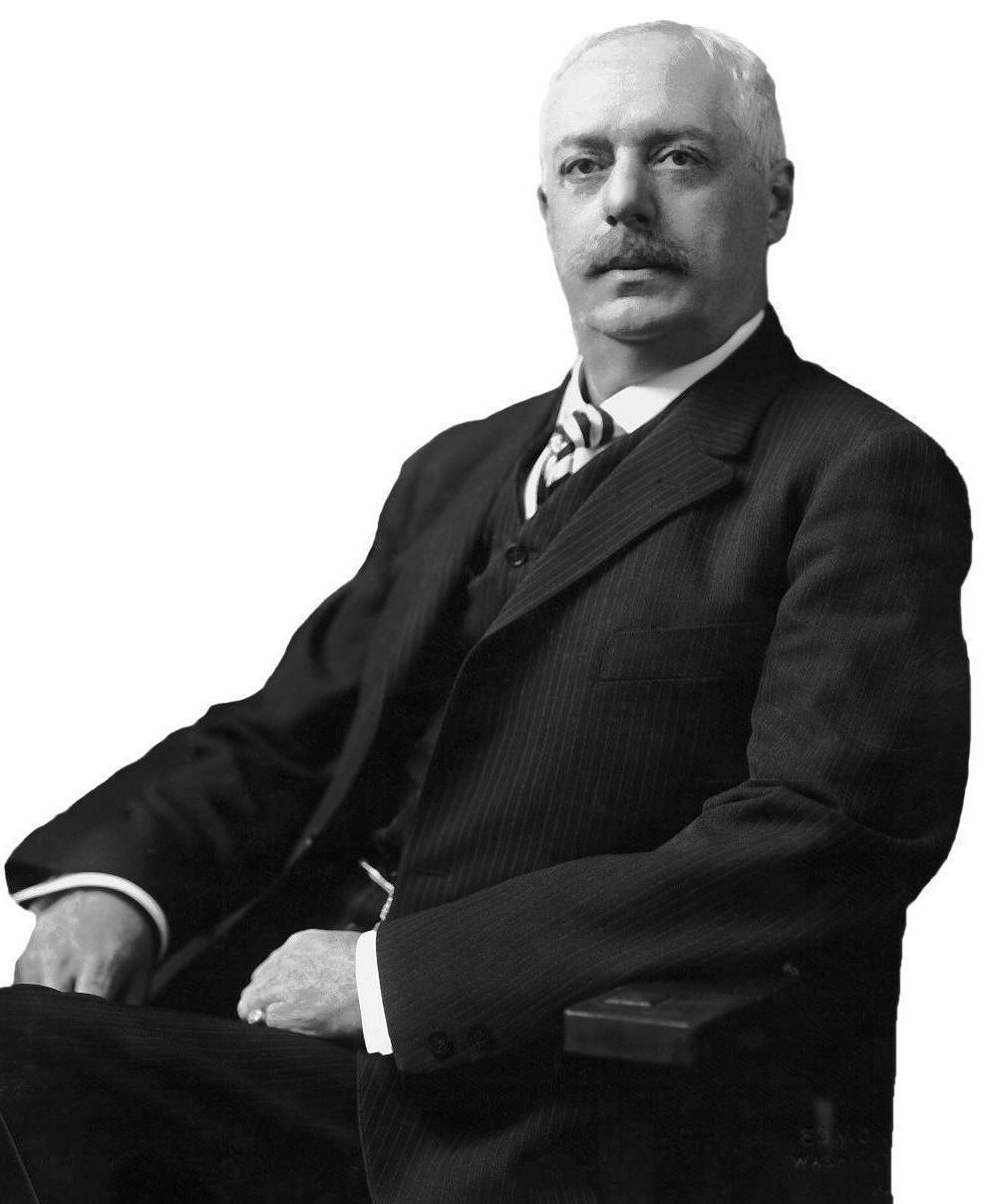
Historical · U.S. House · New York · District 35
John Clancy
Former U.S. Representative · New York District 35 · 1913–1915 · Democratic
John Clancy represented New York's District 35 in the United States House of Representatives (1913–1915) for the Democratic party. The page below collects sourced biographical facts, term history, committee roles, and provenance for Clancy.
Bioguide ID: C000411
Key facts
- Full name
- John Clancy
- State
- New York
- District
- District 35
- Party
- Democratic
- House service
- 1913–1915
- First House term
- 1913
- Status
- Left office
- Current term ends
- —
- Born
- 1859
- Bioguide ID
- C000411
- Committee assignments
- —
- Dataset version
- 1.20260606
Biographical narrative
913 words · sourced from the Wikipedia REST extract
John Clancy was a notable American inventor, businessman, and politician who served as a U.S. Representative from New York's 35th congressional district. A member of the Democratic Party, Clancy's congressional tenure spanned from 1913 to 1915. He is recognized for his contributions to the theatrical industry through the development and marketing of standardized stage equipment, which included innovations in rigging and fire safety measures. His career also encompassed significant involvement in various business ventures and public service roles, reflecting a commitment to both his community and the nation.
Early life and career
John Richard Clancy was born on March 8, 1859, in Syracuse, New York. He was the only child of Richard V. Clancy and Elizabeth A. Clancy (née Magee). His father was a partner in the Clancy Brothers bakery, a successful local business, and also held a position as an alderman for three terms, indicating a family background that valued civic engagement and entrepreneurship. Clancy's early education took place in the public school system of Syracuse, where he developed foundational skills that would later support his diverse career.
After completing his education, Clancy began working as a typesetter for the Syracuse Herald, a local newspaper. This role provided him with insights into the workings of media and communication, which would prove beneficial in his later political endeavors. Following his time in journalism, he transitioned to the theater industry, initially working as a stagehand. His experiences in this field would later inspire his entrepreneurial ventures.
By his early twenties, Clancy had advanced to the position of assistant treasurer at the Grand Opera House in Syracuse, where he gained valuable experience in financial management and the operational aspects of theatrical productions. His involvement in the arts extended beyond mere employment; he was also actively engaged in community service. In 1878, he served as the financial secretary for a committee formed by Mayor James J. Belden to support St. Joseph's Hospital, demonstrating his commitment to public welfare.
House tenure
Clancy's political career began to take shape in the early 20th century, culminating in his election to the United States House of Representatives in 1912. Running as a Democrat, he successfully secured a seat in the Sixty-third Congress, where he served from March 4, 1913, until March 3, 1915. During his time in Congress, Clancy focused on issues relevant to his constituents and worked within the framework of the Democratic Party's agenda.
His tenure in the House was marked by the challenges and complexities of early 20th-century American politics, including discussions surrounding labor rights, economic reform, and the evolving role of the federal government. Clancy's experience as a businessman likely influenced his perspectives on economic issues, particularly those affecting the manufacturing and theatrical industries. However, his time in Congress was limited to a single term, as he was not successful in his bid for re-election in 1914 to the Sixty-fourth Congress.
Despite the brevity of his congressional career, Clancy's election represented a significant achievement, reflecting his ability to connect with voters and advocate for their interests. His departure from Congress did not mark the end of his public service, as he continued to engage in various civic activities and business ventures.
Legislative focus and committees
During his time in the House of Representatives, Clancy's legislative focus was likely influenced by his background in the theater and business sectors. While specific details regarding the bills he sponsored or the committees he served on are not available, it can be inferred that his experiences would have shaped his priorities and legislative interests. Clancy's work in the theater industry, particularly his innovations in stage equipment, may have led him to advocate for policies that supported the arts and improved safety standards in public venues.
In addition to his congressional duties, Clancy remained active in various civic and business roles after leaving office. His commitment to public service continued during World War I, when he served on the Governor's public safety committee and the state armory commission. These positions allowed him to contribute to the war effort and address the needs of his community during a time of national crisis.
Clancy's business acumen remained a defining aspect of his career. He returned to his entrepreneurial pursuits, particularly in the manufacturing of stage equipment. His company, JR Clancy Company, became known for producing standardized theatrical stage equipment, including rigging systems and fire curtains, which enhanced the safety and quality of theatrical productions. This venture not only reflected his innovative spirit but also established a legacy that continues to impact the entertainment industry.
In addition to his business activities, Clancy held positions of influence within educational and environmental organizations. He served as vice president of the New York State College of Forestry at Syracuse University's board of trustees, where he contributed to the advancement of forestry education and research. His involvement with the Central New York State Park Commission further demonstrated his commitment to public service and environmental stewardship.
John Clancy passed away on April 21, 1932, in Syracuse, New York. He was interred at St. Agnes Cemetery in Syracuse, leaving behind a legacy that intertwined his entrepreneurial spirit with a dedication to public service. His contributions to the theatrical industry through the JR Clancy Company continue to be recognized, as the company remains active in providing stage equipment and services to the entertainment sector. Clancy's life and career exemplify the intersection of business, politics, and community engagement, reflecting the multifaceted nature of public service in early 20th-century America.
Notable legislation
Sponsored and co-sponsored legislation for John Clancy is pending operator curation. The biographical narrative above carries the same provenance trail until per-bill rows are written.
Sources
- [1]https://en.wikipedia.org/wiki/John_R._ClancyWikipedia · retrieved 2026-06-06
Notable quotes
Sourced quotes for John Clancy are pending operator curation. Narrative-scope provenance remains attached below.
Sources
- [1]https://en.wikipedia.org/wiki/John_R._ClancyWikipedia · retrieved 2026-06-06
Key positions
Curated policy positions for John Clancy are pending operator review. The biographical narrative above carries the same provenance trail until per-topic positions are written.
Sources
- [1]https://en.wikipedia.org/wiki/John_R._ClancyWikipedia · retrieved 2026-06-06
Terms served
- 1913–1915U.S. House · Term 1 · Democratic
Sources & provenance
Every attributable claim above carries a per-section [N] marker that resolves to the corresponding URL below. Each entry records the upstream provider, the canonical URL, and the timestamp at which the source was retrieved by the ingest pipeline.
Key facts
- https://bioguide.congress.gov/search/bio/C000411bioguide · retrieved 2026-06-06
- https://www.govtrack.us/congress/members/402550govtrack · retrieved 2026-06-06
Biographical narrative
- https://en.wikipedia.org/wiki/John_R._Clancywikipedia · retrieved 2026-06-06
Find your representative
Every U.S. state elects representatives by district. Browse New York’s delegation, the full former-representative roster, or explore the role and term length.
Related on The Candidate
- Preceded by William RyanEarlier holder of the New York District 35 House seat · Democratic.Open
- Succeeded by Hadwen FullerLater holder of the New York District 35 House seat · Republican.Open
- Abel HuntingtonFormer U.S. Representative · New York District 1 · JacksonOpen
- Alfred ChapinFormer U.S. Representative · New York District 1 · DemocraticOpen
- Cadwallader ColdenFormer U.S. Representative · New York District 1 · FederalistOpen
- Charles FloydFormer U.S. Representative · New York District 1 · DemocraticOpen