
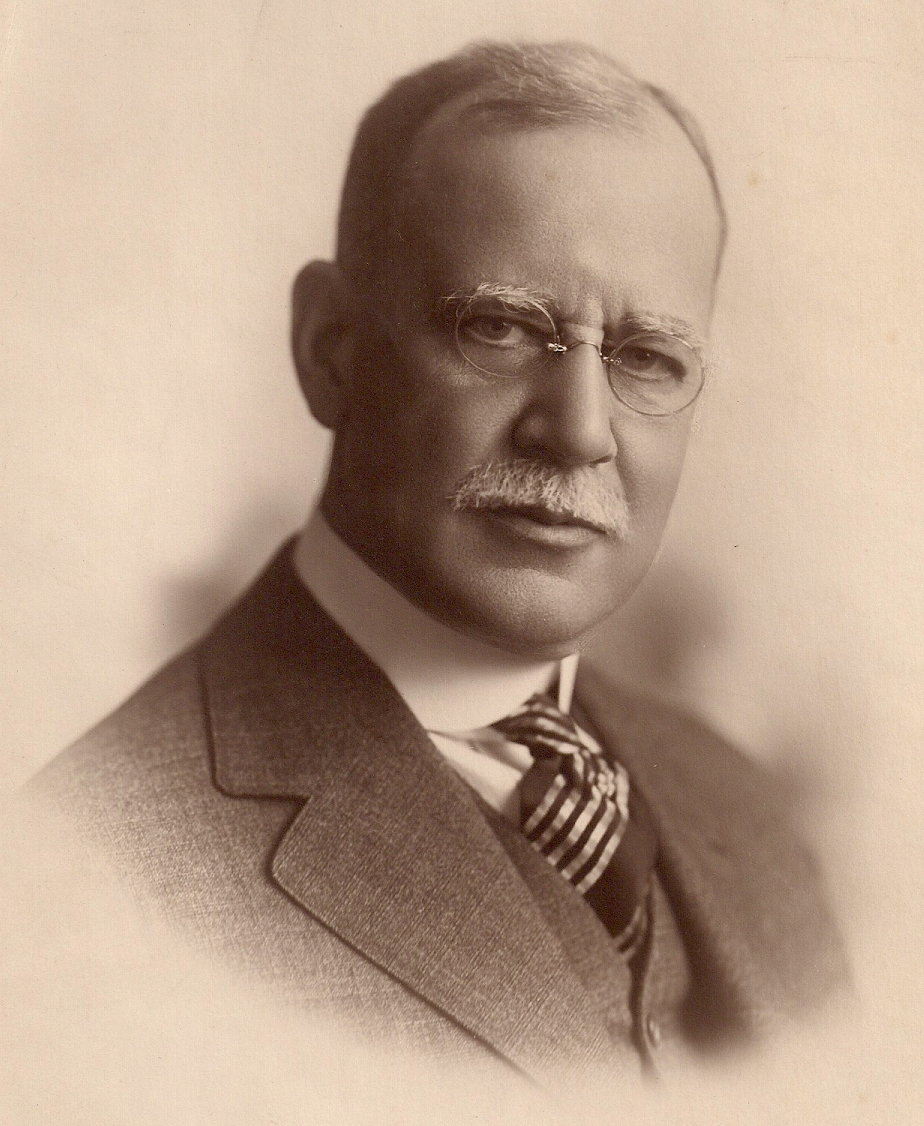
Historical · U.S. House · New York · District 37
Edwin Underhill
Former U.S. Representative · New York District 37 · 1911–1915 · Democratic
Edwin Underhill represented New York's District 37 in the United States House of Representatives (1911–1915) for the Democratic party. The page below collects sourced biographical facts, term history, committee roles, and provenance for Underhill.
Bioguide ID: U000007
Key facts
- Full name
- Edwin Underhill
- State
- New York
- District
- District 37
- Party
- Democratic
- House service
- 1911–1915
- First House term
- 1911
- Status
- Left office
- Current term ends
- —
- Born
- 1861
- Bioguide ID
- U000007
- Committee assignments
- —
- Dataset version
- 1.20260606
Biographical narrative
912 words · sourced from the Wikipedia REST extract
Edwin Underhill was a U.S. Representative from New York, serving in the House of Representatives during the early 20th century. A member of the Democratic Party, Underhill represented New York's 37th congressional district and was active in Congress from 1911 until 1915. His career spanned various roles in journalism and banking, reflecting a diverse professional background that informed his political endeavors.
Early life and career
Edwin Stewart Underhill was born on October 7, 1861, in Bath, New York. He received his early education in the local common schools and attended Haverling High School in Bath. Underhill furthered his education at Yale College, where he graduated in 1881. His formative years in Bath, a small city in New York, provided him with a foundation that would later influence his career in public service and journalism.
Following his graduation, Underhill entered the field of journalism, which would become a significant aspect of his professional life. He began his career as an editor for the Steuben Farmers' Advocate, a newspaper owned by his father. This early experience in the media industry laid the groundwork for his future endeavors in publishing. He later worked at the Canandaigua Messenger before taking on the role of editor and publisher of the Daily Democrat in Corning, New York, in 1899. His involvement in journalism not only honed his communication skills but also connected him with the local community, which would be beneficial in his political career.
In addition to his work in journalism, Underhill was engaged in banking. He served as the vice president of the Farmers & Mechanics' Trust Company in Bath, New York. This position allowed him to gain insights into financial matters and the economic challenges faced by his constituents, further informing his legislative priorities later in his political career.
Underhill's political involvement began before his congressional tenure. In 1888, he served as a presidential elector on the Democratic ticket, marking his entry into the political arena. This experience likely provided him with a deeper understanding of the electoral process and the importance of party organization, which would be valuable in his subsequent campaigns for office.
House tenure
Edwin Underhill was elected to the U.S. House of Representatives as a Democrat, beginning his first term on March 4, 1911. He represented New York's 37th congressional district during a period of significant social and political change in the United States. Underhill served in the Sixty-second and Sixty-third Congresses, completing his tenure on March 3, 1915. His time in office was marked by a focus on issues relevant to his constituents and the nation as a whole.
During his congressional service, Underhill was appointed as the chairman of the Committee on Industrial Arts and Expositions in the Sixty-third Congress. This role allowed him to influence legislation related to industrial development and the promotion of arts and culture, reflecting the growing importance of these areas in American society at the time. Underhill's leadership in this committee demonstrated his commitment to fostering economic growth and cultural enrichment within his district and beyond.
Despite his active involvement in Congress, Underhill chose not to seek renomination in 1914. This decision marked the end of his formal legislative career, although he remained engaged in public life and continued to contribute to his community in other capacities.
Legislative focus and committees
Throughout his tenure in the House of Representatives, Edwin Underhill focused on various legislative issues that were pertinent to his constituents and the broader national landscape. His role as chairman of the Committee on Industrial Arts and Expositions allowed him to advocate for policies that supported industrial growth and the arts, which were increasingly recognized as vital components of American society.
Underhill's background in journalism and banking likely influenced his legislative priorities. His experience in the media provided him with a unique perspective on the importance of communication and public engagement in politics. Additionally, his banking experience may have informed his understanding of economic issues, including the challenges faced by businesses and individuals in his district.
While specific legislative achievements during his time in office are not detailed, Underhill's participation in the House during a transformative era for the United States suggests that he was involved in discussions and decisions that shaped the nation's trajectory. The early 20th century was marked by significant changes, including industrialization, urbanization, and the emergence of new social movements, all of which would have been relevant to his work as a representative.
After leaving Congress, Underhill returned to his roots in journalism, continuing his work as a publisher. He remained active in the media landscape, overseeing the Democrat and its successor, The Evening Leader, until his death. His commitment to journalism and public service reflected a lifelong dedication to informing and engaging with the community.
In addition to his professional pursuits, Underhill participated in the Democratic National Convention as a delegate in 1928, demonstrating his ongoing involvement in the political process even after his congressional career had concluded. His contributions to the Democratic Party and his local community continued to resonate long after his time in office.
Edwin Underhill passed away on February 7, 1929, as a result of an automobile accident in Coopers Plains, New York. He was interred in Grove Cemetery in Bath, New York, leaving behind a legacy of public service and community engagement that spanned journalism, banking, and politics. His life and career reflect the interconnectedness of these fields and their impact on American society during a pivotal time in history.
Notable legislation
Sponsored and co-sponsored legislation for Edwin Underhill is pending operator curation. The biographical narrative above carries the same provenance trail until per-bill rows are written.
Sources
- [1]https://en.wikipedia.org/wiki/Edwin_S._UnderhillWikipedia · retrieved 2026-06-06
Notable quotes
Sourced quotes for Edwin Underhill are pending operator curation. Narrative-scope provenance remains attached below.
Sources
- [1]https://en.wikipedia.org/wiki/Edwin_S._UnderhillWikipedia · retrieved 2026-06-06
Key positions
Curated policy positions for Edwin Underhill are pending operator review. The biographical narrative above carries the same provenance trail until per-topic positions are written.
Sources
- [1]https://en.wikipedia.org/wiki/Edwin_S._UnderhillWikipedia · retrieved 2026-06-06
Terms served
- 1911–1913U.S. House · Term 1 · Democratic
- 1913–1915U.S. House · Term 2 · Democratic
Sources & provenance
Every attributable claim above carries a per-section [N] marker that resolves to the corresponding URL below. Each entry records the upstream provider, the canonical URL, and the timestamp at which the source was retrieved by the ingest pipeline.
Key facts
- https://bioguide.congress.gov/search/bio/U000007bioguide · retrieved 2026-06-06
- https://www.govtrack.us/congress/members/411031govtrack · retrieved 2026-06-06
Biographical narrative
- https://en.wikipedia.org/wiki/Edwin_S._Underhillwikipedia · retrieved 2026-06-06
Find your representative
Every U.S. state elects representatives by district. Browse New York’s delegation, the full former-representative roster, or explore the role and term length.
Related on The Candidate
- Succeeded by Harry PrattLater holder of the New York District 37 House seat · Republican.Open
- Abel HuntingtonFormer U.S. Representative · New York District 1 · JacksonOpen
- Alfred ChapinFormer U.S. Representative · New York District 1 · DemocraticOpen
- Cadwallader ColdenFormer U.S. Representative · New York District 1 · FederalistOpen
- Charles FloydFormer U.S. Representative · New York District 1 · DemocraticOpen
- Democratic PartyFederal candidates and office holders on the Democratic line.Open