
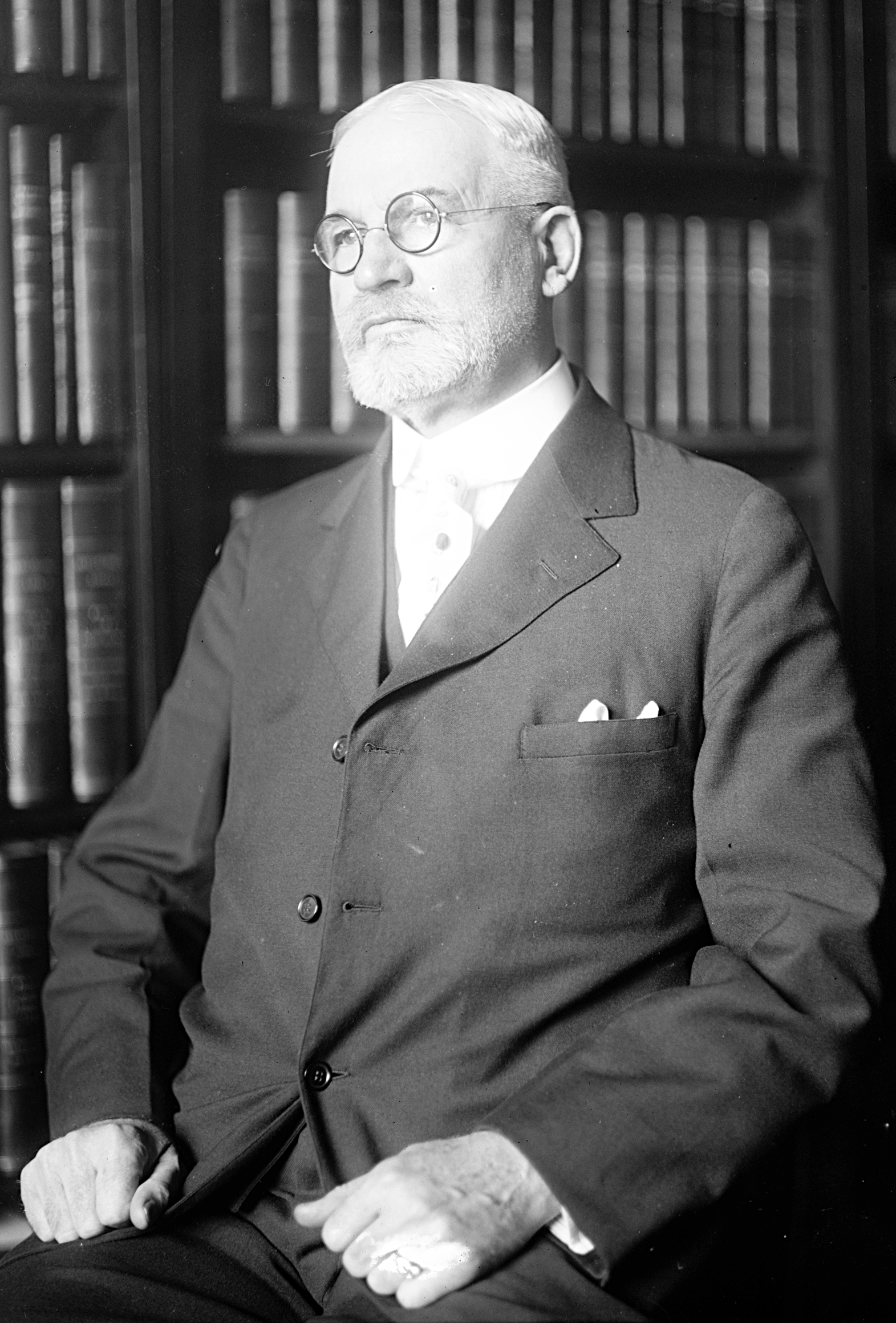
Historical · U.S. House · New York · District 39
Archie Sanders
Former U.S. Representative · New York District 39 · 1917–1933 · Republican
Archie Sanders represented New York's District 39 in the United States House of Representatives (1917–1933) for the Republican party. The page below collects sourced biographical facts, term history, committee roles, and provenance for Sanders.
Bioguide ID: S000032
Key facts
- Full name
- Archie Sanders
- State
- New York
- District
- District 39
- Party
- Republican
- House service
- 1917–1933
- First House term
- 1917
- Status
- Left office
- Current term ends
- —
- Born
- 1857
- Bioguide ID
- S000032
- Committee assignments
- —
- Dataset version
- 1.20260606
Biographical narrative
1,017 words · sourced from the Wikipedia REST extract
Archie Sanders was a prominent Republican politician who served as a U.S. Representative for New York's 39th congressional district. His political career spanned several decades, during which he held various positions at both the state and national levels. Sanders was known for his long tenure in the U.S. House of Representatives, where he was involved in legislative activities that reflected the interests of his constituents and the broader Republican agenda of his time. His career in public service began in the late 19th century and extended into the early 20th century, culminating in a significant role in the U.S. Congress until the early 1930s.
Early life and career
Archie Dovell Sanders was born on June 17, 1857, in Stafford, New York. Growing up in a rural community, Sanders was likely influenced by the agricultural and economic conditions of the region, which shaped his understanding of the needs and concerns of his constituents. His early education and formative years in New York provided him with a foundation for his future political career.
Sanders began his public service in the late 19th century, entering the political arena as a member of the New York State Assembly, where he represented Genesee County in 1896 and 1897. This experience in the state legislature allowed him to gain valuable insights into the workings of government and the legislative process, as well as to establish connections within the Republican Party. His involvement in state politics was a precursor to his later roles at both the state and national levels.
In addition to his work in the Assembly, Sanders was active in the Republican Party as a delegate to the Republican National Conventions in 1896 and again in 1924. These roles not only underscored his commitment to the party but also provided him with a platform to influence party policy and direction during critical periods in American political history. His participation in these conventions highlighted his growing prominence within the party and set the stage for his future electoral success.
Sanders's political career continued to advance when he was elected to the New York State Senate, representing the 44th district in 1915 and 1916. His tenure in the state Senate further solidified his reputation as a dedicated public servant and a capable legislator. During this time, he was involved in various legislative initiatives that aimed to address the needs of his constituents and the state of New York as a whole.
House tenure
In 1916, Sanders successfully ran for a seat in the U.S. House of Representatives, marking the beginning of an extensive congressional career that would last for 16 years. He officially took office on March 4, 1917, and served until March 3, 1933. Throughout his eight terms in the House, Sanders represented the interests of New York's 39th congressional district, which encompassed a diverse population with varying needs and concerns.
During his time in Congress, Sanders was part of a significant period in American history, which included World War I, the Roaring Twenties, and the onset of the Great Depression. These events shaped the legislative priorities and challenges faced by Congress, and Sanders's role as a representative was crucial in addressing the issues that arose during these tumultuous times. His long tenure allowed him to witness and participate in the evolution of federal policy in response to both domestic and international challenges.
As a member of the House, Sanders was involved in various legislative activities and discussions. His experience in state politics likely informed his approach to federal legislation, as he sought to advocate for policies that would benefit his constituents and align with the Republican Party's platform. His ability to navigate the complexities of national politics while remaining attuned to local concerns was a hallmark of his congressional service.
Sanders's political career was characterized by a commitment to public service and a dedication to the principles of the Republican Party. His leadership roles within the party, including his position as chairman of the Genesee County Republican Committee, demonstrated his influence and standing within the local political landscape. This role allowed him to shape party strategy and candidate selection, further solidifying his impact on the political scene in New York.
Legislative focus and committees
Throughout his congressional tenure, Archie Sanders focused on various legislative issues that were pertinent to his constituents and the broader national context. While specific details regarding the bills he sponsored or supported are not provided, it can be inferred that his legislative priorities would have reflected the interests of his district, which included agricultural, economic, and social concerns typical of the early 20th century.
As a Republican representative, Sanders likely aligned with the party's emphasis on limited government, fiscal responsibility, and support for business interests. His legislative focus may have included efforts to promote economic growth, support for veterans following World War I, and initiatives aimed at addressing the challenges posed by the Great Depression. The political climate of the time would have influenced his approach to various issues, as he sought to balance the needs of his constituents with the broader goals of the Republican Party.
In addition to his legislative work, Sanders's participation in committees would have played a significant role in shaping his contributions to Congress. While specific committee assignments are not detailed, members of Congress typically serve on committees that align with their interests and the needs of their constituents. These committees are crucial for reviewing legislation, conducting hearings, and making recommendations to the full House, allowing members to exert influence over the legislative process.
Sanders's long service in the House, spanning eight terms, reflects a commitment to public service and a dedication to the principles of his party. His ability to navigate the complexities of national politics while remaining attuned to local concerns was a hallmark of his congressional service. After leaving office in 1933, Sanders continued to be active in political circles, serving as chairman of the Genesee County Republican Committee until his death on July 15, 1941, in Rochester, New York. His legacy as a public servant and Republican leader remains a part of New York's political history.
Notable legislation
Sponsored and co-sponsored legislation for Archie Sanders is pending operator curation. The biographical narrative above carries the same provenance trail until per-bill rows are written.
Sources
- [1]https://en.wikipedia.org/wiki/Archie_D._SandersWikipedia · retrieved 2026-06-06
Notable quotes
Sourced quotes for Archie Sanders are pending operator curation. Narrative-scope provenance remains attached below.
Sources
- [1]https://en.wikipedia.org/wiki/Archie_D._SandersWikipedia · retrieved 2026-06-06
Key positions
Curated policy positions for Archie Sanders are pending operator review. The biographical narrative above carries the same provenance trail until per-topic positions are written.
Sources
- [1]https://en.wikipedia.org/wiki/Archie_D._SandersWikipedia · retrieved 2026-06-06
Terms served
- 1917–1919U.S. House · Term 1 · Republican
- 1919–1921U.S. House · Term 2 · Republican
- 1921–1923U.S. House · Term 3 · Republican
- 1923–1925U.S. House · Term 4 · Republican
- 1925–1927U.S. House · Term 5 · Republican
- 1927–1929U.S. House · Term 6 · Republican
- 1929–1931U.S. House · Term 7 · Republican
- 1931–1933U.S. House · Term 8 · Republican
Sources & provenance
Every attributable claim above carries a per-section [N] marker that resolves to the corresponding URL below. Each entry records the upstream provider, the canonical URL, and the timestamp at which the source was retrieved by the ingest pipeline.
Key facts
- https://bioguide.congress.gov/search/bio/S000032bioguide · retrieved 2026-06-06
- https://www.govtrack.us/congress/members/409550govtrack · retrieved 2026-06-06
Biographical narrative
- https://en.wikipedia.org/wiki/Archie_D._Sanderswikipedia · retrieved 2026-06-06
Find your representative
Every U.S. state elects representatives by district. Browse New York’s delegation, the full former-representative roster, or explore the role and term length.
Related on The Candidate
- Preceded by Henry DanforthEarlier holder of the New York District 39 House seat · Republican.Open
- Succeeded by John PillionLater holder of the New York District 39 House seat · Republican.Open
- Abel HuntingtonFormer U.S. Representative · New York District 1 · JacksonOpen
- Alfred ChapinFormer U.S. Representative · New York District 1 · DemocraticOpen
- Cadwallader ColdenFormer U.S. Representative · New York District 1 · FederalistOpen
- Charles FloydFormer U.S. Representative · New York District 1 · DemocraticOpen