
Historical · U.S. House · New York · District 44
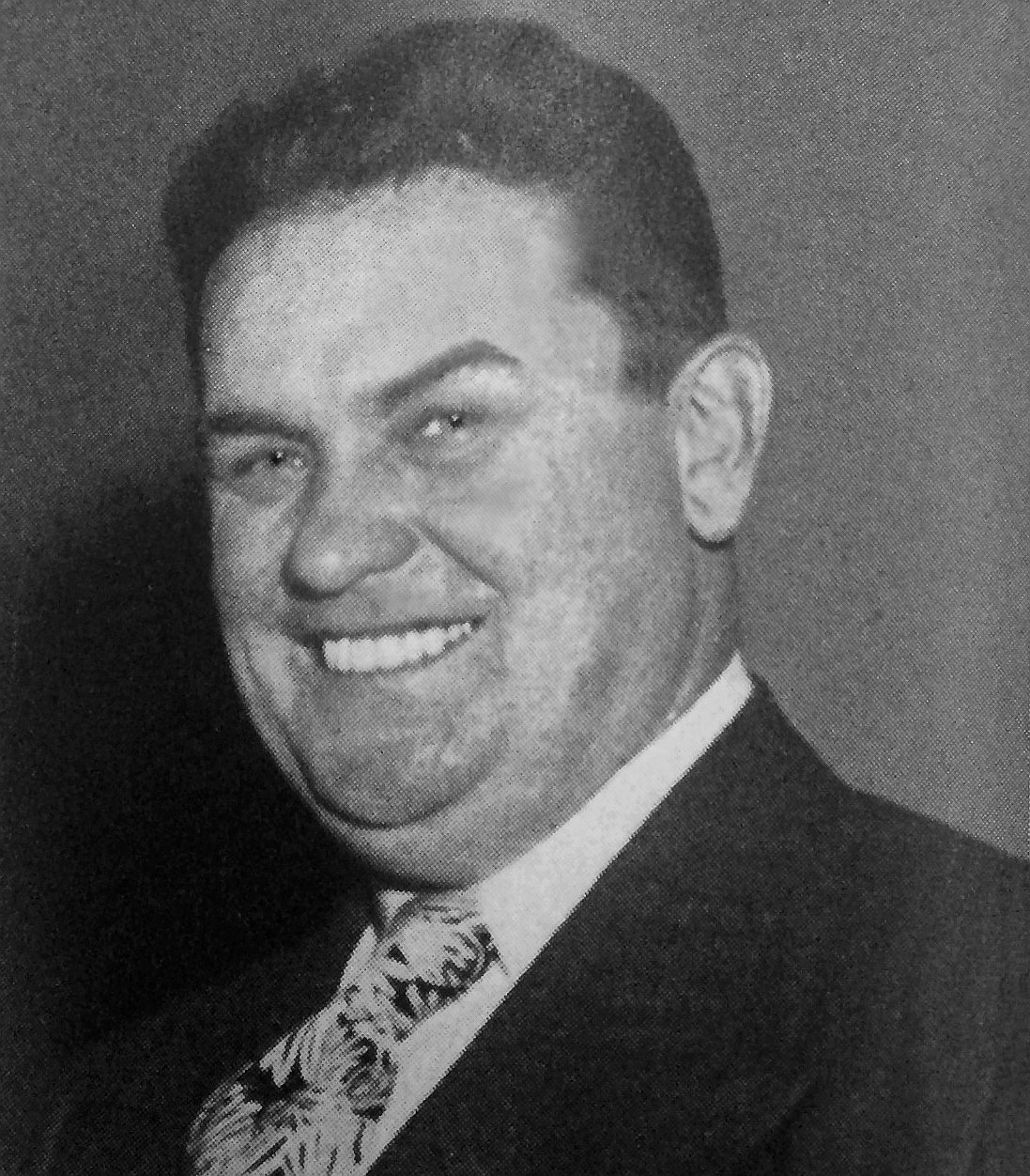
Chester Gorski
Former U.S. Representative · New York District 44 · 1949–1951 · Democratic
Chester Gorski represented New York's District 44 in the United States House of Representatives (1949–1951) for the Democratic party. The page below collects sourced biographical facts, term history, committee roles, and provenance for Gorski.
Bioguide ID: G000331
Key facts
- Full name
- Chester Gorski
- State
- New York
- District
- District 44
- Party
- Democratic
- House service
- 1949–1951
- First House term
- 1949
- Status
- Left office
- Current term ends
- —
- Born
- 1906
- Bioguide ID
- G000331
- Committee assignments
- —
- Dataset version
- 1.20260605
Biographical narrative
997 words · sourced from the Wikipedia REST extract
Chester Gorski was an American politician who represented New York's 44th congressional district in the United States House of Representatives as a member of the Democratic Party. His congressional service spanned from January 3, 1949, until January 3, 1951. Gorski was also known for his extensive involvement in local politics, particularly in Buffalo, New York, where he held various positions, including president of the Buffalo Common Council. His political career was marked by a commitment to his community and a focus on local governance.
Early life and career
Chester Charles Gorski was born on June 22, 1906, in Buffalo, New York, into a family of Polish immigrants. Growing up in a vibrant immigrant community, Gorski's early life was shaped by the cultural and social dynamics of this environment. He attended Saints Peter and Paul Parochial School, where he received a foundational education that would serve him well in his future endeavors. Following his time at parochial school, he graduated from Technical High School, equipping him with practical skills that would later inform his work in various capacities.
After completing his education, Gorski entered the workforce as a laborer and assistant foreman in the Buffalo Streets Department. This role provided him with firsthand experience in municipal operations and the challenges faced by urban infrastructure. In addition to his work in public service, Gorski also ventured into the private sector by owning a liquor store, which further diversified his professional background and contributed to his understanding of local business dynamics.
Gorski's entry into politics began in earnest as he became involved with the Democratic Party. His political career took off when he was elected to the Erie County Board of Supervisors, where he served from 1941 to 1945. During this time, he rose to the position of minority leader in 1942, showcasing his leadership abilities and commitment to public service. His tenure on the Board of Supervisors allowed him to engage with various community issues and gain valuable experience in governance.
Following his time on the Board of Supervisors, Gorski continued his political journey by serving on the Buffalo Common Council from 1946 to 1948. This role further solidified his reputation as a dedicated public servant and provided him with a platform to address local concerns. His involvement in local governance laid the groundwork for his subsequent election to the United States Congress.
House tenure
In 1948, Chester Gorski was elected to the United States House of Representatives, representing New York's 44th congressional district as a Democrat. His election marked a significant milestone in his political career, as he transitioned from local to national politics. Gorski's congressional term began on January 3, 1949, and he served until January 3, 1951. During this period, he was part of a Congress that was navigating the complexities of post-World War II America, including issues related to economic recovery, civil rights, and international relations.
Gorski's time in Congress was characterized by his focus on the needs of his constituents in Buffalo and the surrounding areas. Although he served only one term, he was actively engaged in legislative discussions and contributed to the broader Democratic agenda of the time. His commitment to his district was evident as he worked to address local concerns and advocate for policies that would benefit his community.
Despite his efforts, Gorski faced challenges in his bid for re-election in 1950, ultimately losing his seat in Congress. This defeat marked the end of his congressional career, but it did not signify the end of his public service. Gorski's experiences in Congress would inform his subsequent endeavors in local governance and public service.
Legislative focus and committees
During his time in the House of Representatives, Chester Gorski was involved in various legislative initiatives that reflected the priorities of his constituents and the Democratic Party. While specific details about the bills he sponsored or the committees he served on are not documented, it is known that his focus was primarily on issues relevant to his district and the broader concerns of the nation during the late 1940s.
Gorski's legislative priorities likely included matters related to urban development, labor rights, and economic recovery, as these were pressing issues for many Americans in the aftermath of World War II. His background in local government and his experiences as a laborer would have informed his perspective on these issues, allowing him to advocate effectively for policies that supported working families and urban communities.
In addition to his congressional duties, Gorski remained active in the Democratic Party, serving as a delegate to several Democratic National Conventions, including those held in 1948, 1952, 1956, and 1968. His participation in these conventions underscored his ongoing commitment to the party and his engagement with national political discourse.
After leaving Congress, Gorski continued to contribute to public service in various capacities. He worked as an industrial analyst for the U.S. Department of Commerce from 1951 to 1952, where he applied his knowledge of local economic conditions to inform federal policies. Gorski returned to the Buffalo Common Council from 1954 to 1956 and later served on the New York State Building Code Commission from 1956 to 1959. His involvement in these roles demonstrated his enduring dedication to public service and local governance.
In 1960, Gorski returned to the Buffalo Common Council, this time as its president, a position he held until 1974 when he resigned due to health issues. His long tenure in local government reflected his deep commitment to the Buffalo community and his desire to address the needs of its residents.
Chester Gorski passed away on April 25, 1975, in Buffalo, New York. He was buried at Saint Stanislaus Roman Catholic Cemetery in Cheektowaga, New York. Gorski's legacy is marked by his contributions to local and national politics, as well as his commitment to public service throughout his life. He was survived by his wife, Helen T. Pieprzny, and their two sons, who continued to carry on his legacy in public service and the legal profession.
Notable legislation
Sponsored and co-sponsored legislation for Chester Gorski is pending operator curation. The biographical narrative above carries the same provenance trail until per-bill rows are written.
Sources
- [1]https://en.wikipedia.org/wiki/Chester_C._GorskiWikipedia · retrieved 2026-06-05
Notable quotes
Sourced quotes for Chester Gorski are pending operator curation. Narrative-scope provenance remains attached below.
Sources
- [1]https://en.wikipedia.org/wiki/Chester_C._GorskiWikipedia · retrieved 2026-06-05
Key positions
Curated policy positions for Chester Gorski are pending operator review. The biographical narrative above carries the same provenance trail until per-topic positions are written.
Sources
- [1]https://en.wikipedia.org/wiki/Chester_C._GorskiWikipedia · retrieved 2026-06-05
Terms served
- 1949–1951U.S. House · Term 1 · Democratic
Sources & provenance
Every attributable claim above carries a per-section [N] marker that resolves to the corresponding URL below. Each entry records the upstream provider, the canonical URL, and the timestamp at which the source was retrieved by the ingest pipeline.
Key facts
- https://bioguide.congress.gov/search/bio/G000331bioguide · retrieved 2026-06-05
- https://www.govtrack.us/congress/members/404689govtrack · retrieved 2026-06-05
Biographical narrative
- https://en.wikipedia.org/wiki/Chester_C._Gorskiwikipedia · retrieved 2026-06-05
Find your representative
Every U.S. state elects representatives by district. Browse New York’s delegation, the full former-representative roster, or explore the role and term length.
Related on The Candidate
- Abel HuntingtonFormer U.S. Representative · New York District 1 · JacksonOpen
- Alfred ChapinFormer U.S. Representative · New York District 1 · DemocraticOpen
- Cadwallader ColdenFormer U.S. Representative · New York District 1 · FederalistOpen
- Charles FloydFormer U.S. Representative · New York District 1 · DemocraticOpen
- Democratic PartyFederal candidates and office holders on the Democratic line.Open
- Representatives from New YorkEvery former U.S. Representative who has represented New York.Open