
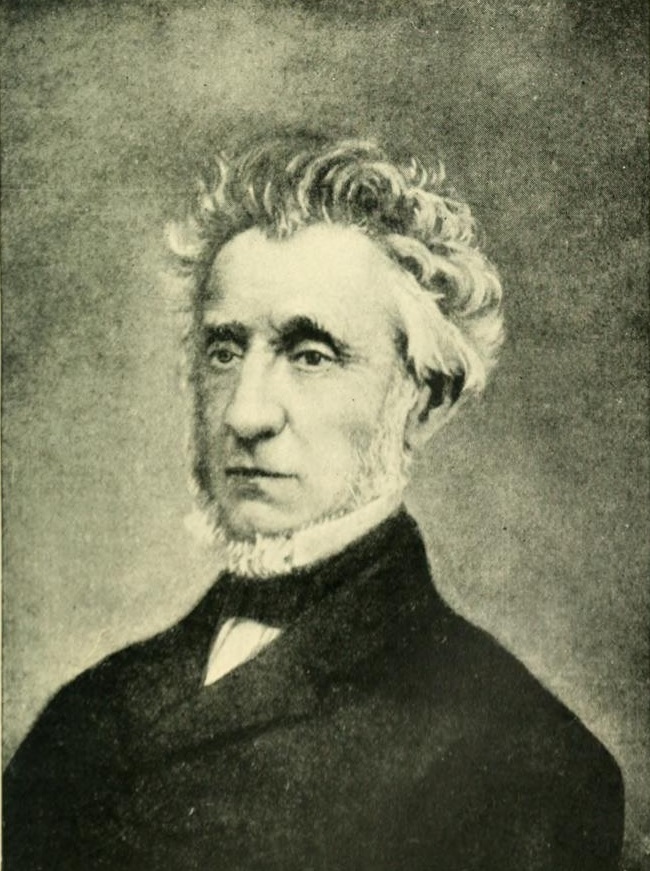
Historical · U.S. House · New York · District 6
John Brown
Former U.S. Representative · New York District 6 · 1833–1837 · Jackson
John Brown represented New York's District 6 in the United States House of Representatives (1833–1837) for the Jackson party. The page below collects sourced biographical facts, term history, committee roles, and provenance for Brown.
Bioguide ID: B000932
Key facts
- Full name
- John Brown
- State
- New York
- District
- District 6
- Party
- Jackson
- House service
- 1833–1837
- First House term
- 1833
- Status
- Left office
- Current term ends
- —
- Born
- 1796
- Bioguide ID
- B000932
- Committee assignments
- —
- Dataset version
- 1.20260606
Biographical narrative
920 words · sourced from the Wikipedia REST extract
John Brown was an American lawyer and politician who served as a U.S. Representative for New York's 6th congressional district during the early 19th century. A member of the Jacksonian party, he held office in the House of Representatives from 1833 until 1837. Brown's career spanned various facets of public service, including his roles as a justice of the peace and later as a justice of the New York Supreme Court. His contributions to the legal and political landscape of New York were significant, and his legacy continued through his family, notably his son, who also served on the New York Supreme Court.
Early life and career
John Brown was born on October 11, 1796, in Dundee, Scotland, which was then part of the Kingdom of Great Britain. His early life was marked by significant change when, in 1802, he immigrated to the United States with his father. The family settled in Newburgh, New York, where Brown would spend much of his formative years. He received his education in the public schools of Newburgh, which laid the foundation for his future endeavors in law and politics.
After completing his education, Brown pursued a career in law. He studied diligently and was admitted to the bar in 1818, marking the beginning of his legal practice in Newburgh. His early involvement in the legal profession was complemented by his election as a justice of the peace in 1820, a role that allowed him to engage directly with the community and the legal system. This position not only provided him with practical experience in law but also helped him build a reputation within the local community, which would later serve him well in his political career.
House tenure
John Brown's political career took a significant turn when he was elected to the U.S. House of Representatives as a member of the Jacksonian party. He served in the 23rd and 24th Congresses, with his tenure beginning on March 4, 1833, and concluding on March 3, 1837. His election to Congress was part of a broader political movement that sought to promote the principles of democracy and the rights of the common man, which were hallmarks of the Jacksonian era.
During his time in the House, Brown participated in the legislative process and contributed to discussions on various issues pertinent to his constituents and the nation at large. While specific details about his legislative initiatives and voting record are not documented in the available sources, his role as a congressman would have involved engaging with the pressing political matters of the day, including economic policies, land distribution, and the expansion of the United States.
After completing his two terms in Congress, Brown returned to his legal practice in Newburgh. His experience in the House of Representatives likely enriched his understanding of the law and governance, which he would carry into his subsequent legal career.
Legislative focus and committees
While specific details about John Brown's legislative focus and committee assignments during his time in Congress are not provided in the available sources, it can be inferred that, as a member of the Jacksonian party, he would have aligned with the party's core principles. The Jacksonian movement was characterized by a commitment to expanding democracy, advocating for the rights of the common man, and promoting economic opportunities for all citizens. These themes were central to the political discourse of the era and would have influenced Brown's legislative priorities.
After his congressional service, Brown continued to engage in public service through his appointment as a justice of the New York Supreme Court for the 2nd District, a position he held from 1850 to 1865. This role allowed him to apply his legal expertise at a higher level and to influence the judicial landscape of New York. His tenure on the Supreme Court included serving as an ex officio judge of the New York Court of Appeals in 1857 and 1865, further solidifying his standing in the legal community.
In 1865, Brown sought to further his judicial career by running for a position on the Court of Appeals on the Democratic ticket. However, he was defeated in this election by his Republican opponent, Ward Hunt. Following this setback, Brown returned once again to the practice of law, demonstrating his resilience and commitment to his profession.
Throughout his career, John Brown's contributions to both the legal and political realms were significant. His early experiences as a justice of the peace and later as a congressman provided him with a unique perspective on the intersection of law and governance. His service on the New York Supreme Court further exemplified his dedication to the legal profession and his desire to impact the judicial system positively.
In addition to his professional achievements, John Brown's legacy continued through his family. He was the father of Charles F. Brown, who also served on the New York Supreme Court, indicating a familial commitment to public service and the legal profession.
John Brown passed away on September 6, 1875, and was laid to rest in Cedar Hill Cemetery in Newburgh, New York. His life and career reflect the dynamic political and legal landscape of 19th-century America, showcasing the contributions of individuals who shaped the governance and judicial systems of their time. His journey from an immigrant child to a prominent lawyer and politician illustrates the opportunities available in the United States during this period, as well as the challenges faced by those who sought to serve their communities and uphold the rule of law.
Notable legislation
Sponsored and co-sponsored legislation for John Brown is pending operator curation. The biographical narrative above carries the same provenance trail until per-bill rows are written.
Sources
- [1]https://en.wikipedia.org/wiki/John_W._Brown_(New_York_politician)Wikipedia · retrieved 2026-06-06
Notable quotes
Sourced quotes for John Brown are pending operator curation. Narrative-scope provenance remains attached below.
Sources
- [1]https://en.wikipedia.org/wiki/John_W._Brown_(New_York_politician)Wikipedia · retrieved 2026-06-06
Key positions
Curated policy positions for John Brown are pending operator review. The biographical narrative above carries the same provenance trail until per-topic positions are written.
Sources
- [1]https://en.wikipedia.org/wiki/John_W._Brown_(New_York_politician)Wikipedia · retrieved 2026-06-06
Terms served
- 1833–1835U.S. House · Term 1 · Jackson
- 1835–1837U.S. House · Term 2 · Jackson
Sources & provenance
Every attributable claim above carries a per-section [N] marker that resolves to the corresponding URL below. Each entry records the upstream provider, the canonical URL, and the timestamp at which the source was retrieved by the ingest pipeline.
Key facts
- https://bioguide.congress.gov/search/bio/B000932bioguide · retrieved 2026-06-06
- https://www.govtrack.us/congress/members/401886govtrack · retrieved 2026-06-06
Biographical narrative
- https://en.wikipedia.org/wiki/John_W._Brown_(New_York_politician)wikipedia · retrieved 2026-06-06
Find your representative
Every U.S. state elects representatives by district. Browse New York’s delegation, the full former-representative roster, or explore the role and term length.
Related on The Candidate
- Preceded by Samuel WilkinEarlier holder of the New York District 6 House seat · Anti Jacksonian.Open
- Succeeded by Nathaniel JonesLater holder of the New York District 6 House seat · Democratic.Open
- Abel HuntingtonFormer U.S. Representative · New York District 1 · JacksonOpen
- Alfred ChapinFormer U.S. Representative · New York District 1 · DemocraticOpen
- Cadwallader ColdenFormer U.S. Representative · New York District 1 · FederalistOpen
- Charles FloydFormer U.S. Representative · New York District 1 · DemocraticOpen