
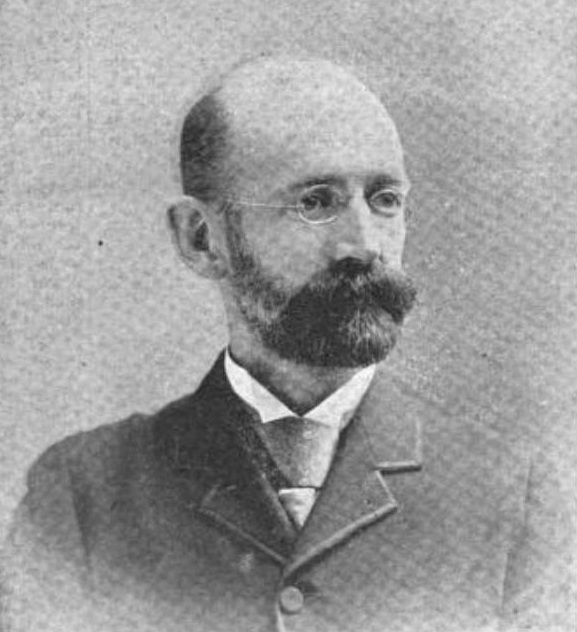
Historical · U.S. House · New York · District 8
Edward Dunphy
Former U.S. Representative · New York District 8 · 1889–1895 · Democratic
Edward Dunphy represented New York's District 8 in the United States House of Representatives (1889–1895) for the Democratic party. The page below collects sourced biographical facts, term history, committee roles, and provenance for Dunphy.
Bioguide ID: D000556
Key facts
- Full name
- Edward Dunphy
- State
- New York
- District
- District 8
- Party
- Democratic
- House service
- 1889–1895
- First House term
- 1889
- Status
- Left office
- Current term ends
- —
- Born
- 1856
- Bioguide ID
- D000556
- Committee assignments
- —
- Dataset version
- 1.20260606
Biographical narrative
870 words · sourced from the Wikipedia REST extract
Edward Dunphy was a prominent figure in late 19th-century American politics, serving as a U.S. Representative for New York's 8th congressional district. A member of the Democratic Party, he held office from 1889 until 1895, during which time he was involved in various legislative activities and served on key committees. Dunphy's background in law and his education played a significant role in shaping his career both in Congress and in his subsequent professional endeavors.
Early life and career
Edward John Dunphy was born on May 12, 1856, in New York City. Growing up in an urban environment, he attended local public schools, which provided him with a foundational education. His academic journey continued at St. Francis Xavier College, where he furthered his studies. Dunphy graduated from Mount St. Mary's College, earning a Bachelor of Arts degree in 1876. He continued his education at the same institution, obtaining a Master of Arts degree in 1878. This strong educational background laid the groundwork for his future career in law and politics.
After completing his studies, Dunphy pursued a legal career. He studied law diligently and was admitted to the bar in 1878, marking the beginning of his professional practice in New York City. His legal expertise would later inform his work in Congress, where he dealt with various legislative matters. In addition to his private practice, Dunphy was employed in the legal department of the New York Central Railroad, which provided him with valuable experience in corporate law and governance. This role likely contributed to his understanding of the intersection between law and public policy, a theme that would resonate throughout his political career.
House tenure
Dunphy's political career began in earnest when he was elected to the United States House of Representatives as a Democrat. His first term commenced on March 4, 1889, as he took office during the Fifty-first Congress. He was subsequently re-elected to serve in the Fifty-second and Fifty-third Congresses, completing a total of three terms in the House. Throughout his tenure, Dunphy was engaged in various legislative activities and contributed to discussions on issues pertinent to his constituents and the nation.
During his final term in Congress, Dunphy held the position of chairman of the Committee on Expenditures in the Department of Justice. This role placed him in a significant position of oversight, allowing him to influence how federal funds were allocated within the Department of Justice. His leadership in this committee underscored his commitment to accountability in government spending and his interest in legal matters, reflecting his background as a lawyer.
Despite his active participation in Congress, Dunphy chose not to seek re-election in 1894. After concluding his service on March 3, 1895, he returned to New York City to resume his legal practice. This decision marked the end of his formal political career, but it did not diminish his involvement in public affairs. His experience in Congress likely enriched his legal practice, as he brought with him a wealth of knowledge about legislative processes and government operations.
Legislative focus and committees
Throughout his time in the House of Representatives, Dunphy's legislative focus was shaped by his legal background and the interests of his constituents in New York's 8th congressional district. While specific details about the bills he supported or opposed are not provided, it can be inferred that his legal expertise would have guided his approach to various legislative issues, particularly those related to justice, legal reform, and government accountability.
As chairman of the Committee on Expenditures in the Department of Justice, Dunphy was responsible for overseeing the financial operations of a critical federal agency. This position required a keen understanding of budgetary processes and the ability to scrutinize expenditures to ensure they were justified and aligned with the law. His leadership in this committee would have involved working closely with other members of Congress, government officials, and legal experts to address issues of fiscal responsibility and transparency within the Department of Justice.
Dunphy's role in Congress also reflected broader trends in American politics during the late 19th century, a period characterized by significant social and economic changes. The growing influence of industrialization, urbanization, and immigration shaped the political landscape, and representatives like Dunphy were tasked with addressing the concerns of their constituents amid these transformations. His work in Congress would have involved navigating complex issues related to labor, civil rights, and the role of government in regulating economic activity.
In addition to his legislative responsibilities, Dunphy's contributions to public service were recognized beyond his congressional tenure. In 1891, he received an honorary degree of LL.D. from Mount St. Mary's College, acknowledging his accomplishments and contributions to society. This recognition underscored the respect he garnered in both legal and academic circles.
Edward Dunphy passed away on July 29, 1926, in New York City. His legacy as a public servant and legal professional is marked by his commitment to the principles of justice and accountability. He was interred at Calvary Cemetery, where his contributions to the legal and political landscape of New York and the United States are remembered. Through his work in Congress and his legal practice, Dunphy left an indelible mark on the institutions he served and the community he represented.
Notable legislation
Sponsored and co-sponsored legislation for Edward Dunphy is pending operator curation. The biographical narrative above carries the same provenance trail until per-bill rows are written.
Sources
- [1]https://en.wikipedia.org/wiki/Edward_J._DunphyWikipedia · retrieved 2026-06-06
Notable quotes
Sourced quotes for Edward Dunphy are pending operator curation. Narrative-scope provenance remains attached below.
Sources
- [1]https://en.wikipedia.org/wiki/Edward_J._DunphyWikipedia · retrieved 2026-06-06
Key positions
Curated policy positions for Edward Dunphy are pending operator review. The biographical narrative above carries the same provenance trail until per-topic positions are written.
Sources
- [1]https://en.wikipedia.org/wiki/Edward_J._DunphyWikipedia · retrieved 2026-06-06
Terms served
- 1889–1891U.S. House · Term 1 · Democratic
- 1891–1893U.S. House · Term 2 · Democratic
- 1893–1895U.S. House · Term 3 · Democratic
Sources & provenance
Every attributable claim above carries a per-section [N] marker that resolves to the corresponding URL below. Each entry records the upstream provider, the canonical URL, and the timestamp at which the source was retrieved by the ingest pipeline.
Key facts
- https://bioguide.congress.gov/search/bio/D000556bioguide · retrieved 2026-06-06
- https://www.govtrack.us/congress/members/403663govtrack · retrieved 2026-06-06
Biographical narrative
- https://en.wikipedia.org/wiki/Edward_J._Dunphywikipedia · retrieved 2026-06-06
Find your representative
Every U.S. state elects representatives by district. Browse New York’s delegation, the full former-representative roster, or explore the role and term length.
Related on The Candidate
- Preceded by Anson McCookEarlier holder of the New York District 8 House seat · Republican.Open
- Succeeded by James WalshLater holder of the New York District 8 House seat · Democratic.Open
- Abel HuntingtonFormer U.S. Representative · New York District 1 · JacksonOpen
- Alfred ChapinFormer U.S. Representative · New York District 1 · DemocraticOpen
- Cadwallader ColdenFormer U.S. Representative · New York District 1 · FederalistOpen
- Charles FloydFormer U.S. Representative · New York District 1 · DemocraticOpen