
Historical · U.S. House · New York · District 9
Benjamin Walker
Former U.S. Representative · New York District 9 · 1801–1803 · Federalist
Benjamin Walker represented New York's District 9 in the United States House of Representatives (1801–1803) for the Federalist party. The page below collects sourced biographical facts, term history, committee roles, and provenance for Walker.
Bioguide ID: W000046
Key facts
- Full name
- Benjamin Walker
- State
- New York
- District
- District 9
- Party
- Federalist
- House service
- 1801–1803
- First House term
- 1801
- Status
- Left office
- Current term ends
- —
- Born
- —
- Bioguide ID
- W000046
- Committee assignments
- —
- Dataset version
- 1.20260606
Biographical narrative
946 words · sourced from the Wikipedia REST extract
Benjamin Walker was a notable figure in early American history, serving as a U.S. Representative for New York's 9th congressional district from 1801 to 1803. A member of the Federalist Party, Walker's career spanned military, civic, and political realms, reflecting the diverse roles played by individuals in the formative years of the United States. His contributions to the Revolutionary War, coupled with his later political service, underscore his significance in the early governance of the nation.
Early life and career
Born in England in 1753, Benjamin Walker received a foundational education through a Blue Coat School, which provided him with a solid, if not exceptional, academic background. His early exposure to commerce came through his work at a reputable merchant house in London, which eventually led him to the United States. Upon his arrival in New York City, he resided with a prominent merchant, gaining insights into the mercantile world that would later inform his professional endeavors.
Walker’s linguistic abilities were noteworthy; he became fluent in French during a period spent in France. His proficiency in the language would later play a crucial role in his military career. In the context of the American Revolutionary War, his skills caught the attention of General Friedrich Wilhelm von Steuben, who was instrumental in training American troops. Walker's ability to communicate effectively in French allowed him to assist Steuben in conveying complex military instructions to soldiers, particularly during their time at Valley Forge. This relationship marked the beginning of Walker's significant contributions to the Continental Army.
In 1776, Walker was appointed as Captain of the Second New York Regiment, marking the start of his military career. His role evolved when he became an aide-de-camp to General von Steuben in April 1778. In this capacity, he was responsible for translating Steuben's directives and managing correspondence, which was critical for the organization and training of the army. Walker's handwriting can be found in many of the drafts for Steuben's reforms, highlighting his integral role in shaping military strategies during the war.
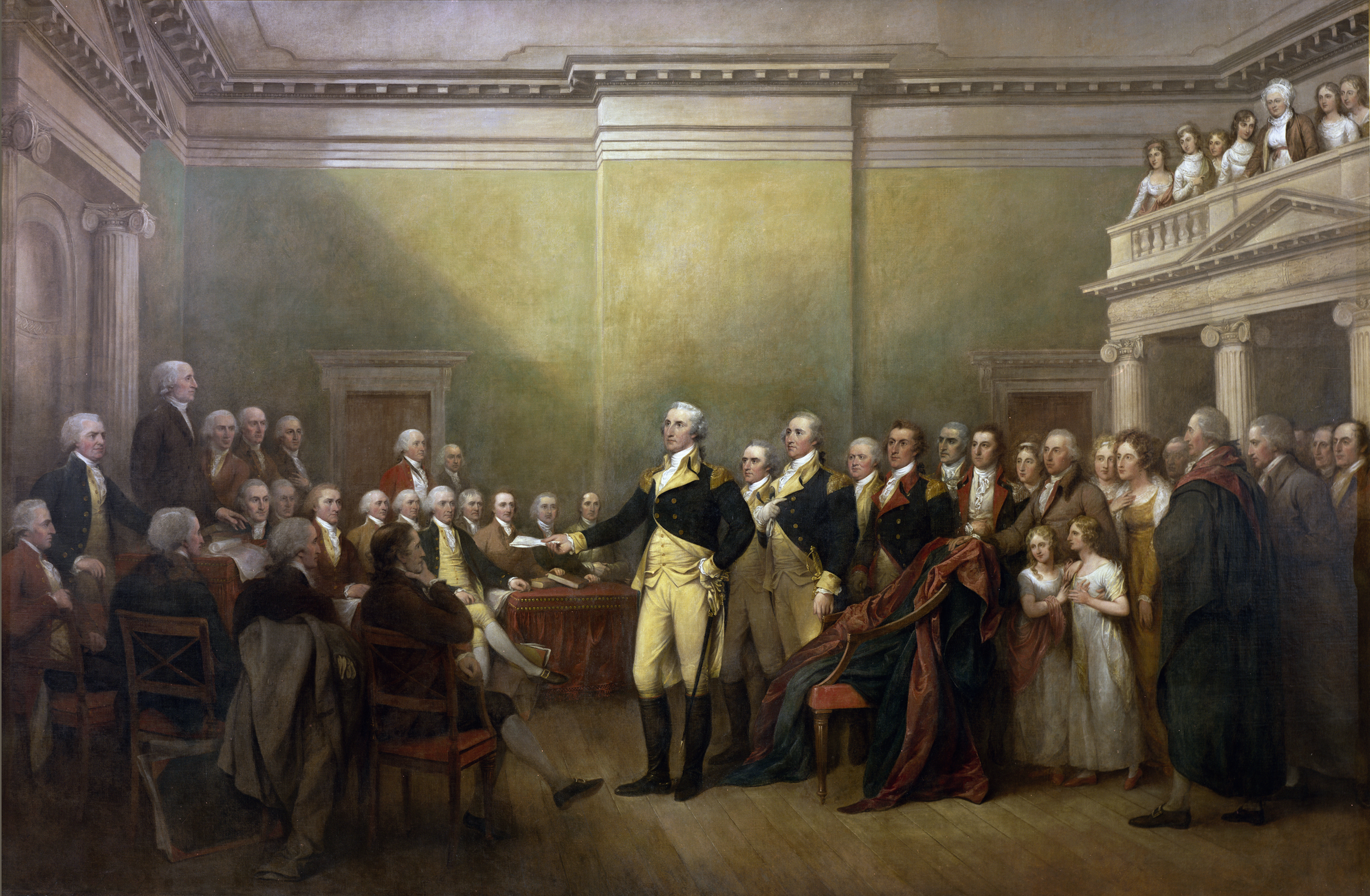
Following the conclusion of the Revolutionary War, Walker continued to serve in a military capacity, being appointed as an aide-de-camp to General George Washington. He was present during Washington's resignation as commander-in-chief, a significant moment in American history. Walker's military service not only showcased his leadership abilities but also established him as a respected figure in the early republic.
House tenure
Walker’s transition from military service to politics was marked by his election as a Federalist to the Seventh Congress, where he served from March 4, 1801, until March 3, 1803. His election to the U.S. House of Representatives came at a time when the Federalist Party was influential in shaping national policy and governance. During his term, Walker participated in the legislative processes that defined the early years of the United States government.
While specific details of his legislative actions and the issues he championed during his time in Congress are not extensively documented, Walker's background as a military officer and his experience in civic roles likely informed his perspectives on governance and policy. His tenure in the House coincided with significant developments in the young nation, including discussions surrounding the expansion of the United States and the implications of foreign relations.
After completing his term in the House, Walker chose not to seek renomination in 1802, marking the end of his formal political career. This decision reflects a common practice among politicians of the era, who often moved in and out of public service based on personal and political considerations.
Legislative focus and committees
Although specific details regarding Walker's legislative focus and committee assignments during his congressional tenure are not provided, it is reasonable to infer that his background in military service and his involvement in civic affairs would have influenced his priorities as a legislator. The early 19th century was a period of significant change in the United States, with issues such as national defense, trade, and the expansion of territory being central to political discourse.
As a Federalist, Walker would have aligned with the party's emphasis on a strong central government, support for commerce, and a cautious approach to foreign relations. The Federalist Party was known for advocating policies that favored the interests of merchants and the burgeoning industrial sector, which would have resonated with Walker's background in trade and commerce.
In addition to his legislative duties, Walker's experience in various civic roles, including his position as the naval officer of customs at the port of New York, would have provided him with insights into the regulatory and economic challenges facing the nation. His previous work as First Secretary to the Governor of New York and as a broker further equipped him with a nuanced understanding of the intersection between government and business.
Walker’s contributions to the legislative process were likely shaped by his military experience, particularly in matters related to national defense and the organization of the armed forces. His involvement in the Revolutionary War and subsequent relationships with key military figures would have positioned him as a knowledgeable advocate for issues concerning the military and veterans.
In summary, Benjamin Walker's life and career reflect the complexities of early American governance. His journey from a merchant in England to a military officer and eventually a U.S. Representative illustrates the diverse pathways individuals took to influence the formation of the United States. While his time in Congress was relatively brief, his earlier contributions to the Revolutionary War and his subsequent civic roles underscore the interconnectedness of military and political service in the early republic. Walker's legacy is a testament to the multifaceted nature of public service during a pivotal era in American history.
Notable legislation
Sponsored and co-sponsored legislation for Benjamin Walker is pending operator curation. The biographical narrative above carries the same provenance trail until per-bill rows are written.
Sources
- [1]https://en.wikipedia.org/wiki/Benjamin_Walker_(Continental_Army_officer)Wikipedia · retrieved 2026-06-06
Notable quotes
Sourced quotes for Benjamin Walker are pending operator curation. Narrative-scope provenance remains attached below.
Sources
- [1]https://en.wikipedia.org/wiki/Benjamin_Walker_(Continental_Army_officer)Wikipedia · retrieved 2026-06-06
Key positions
Curated policy positions for Benjamin Walker are pending operator review. The biographical narrative above carries the same provenance trail until per-topic positions are written.
Sources
- [1]https://en.wikipedia.org/wiki/Benjamin_Walker_(Continental_Army_officer)Wikipedia · retrieved 2026-06-06
Terms served
- 1801–1803U.S. House · Term 1 · Federalist
Sources & provenance
Every attributable claim above carries a per-section [N] marker that resolves to the corresponding URL below. Each entry records the upstream provider, the canonical URL, and the timestamp at which the source was retrieved by the ingest pipeline.
Key facts
- https://bioguide.congress.gov/search/bio/W000046bioguide · retrieved 2026-06-06
- https://www.govtrack.us/congress/members/411226govtrack · retrieved 2026-06-06
Biographical narrative
- https://en.wikipedia.org/wiki/Benjamin_Walker_(Continental_Army_officer)wikipedia · retrieved 2026-06-06
Find your representative
Every U.S. state elects representatives by district. Browse New York’s delegation, the full former-representative roster, or explore the role and term length.
Related on The Candidate
- Preceded by Jonas PlattEarlier holder of the New York District 9 House seat · Federalist.Open
- Succeeded by Thomas SammonsLater holder of the New York District 9 House seat · Republican.Open
- Abel HuntingtonFormer U.S. Representative · New York District 1 · JacksonOpen
- Alfred ChapinFormer U.S. Representative · New York District 1 · DemocraticOpen
- Cadwallader ColdenFormer U.S. Representative · New York District 1 · FederalistOpen
- Charles FloydFormer U.S. Representative · New York District 1 · DemocraticOpen