
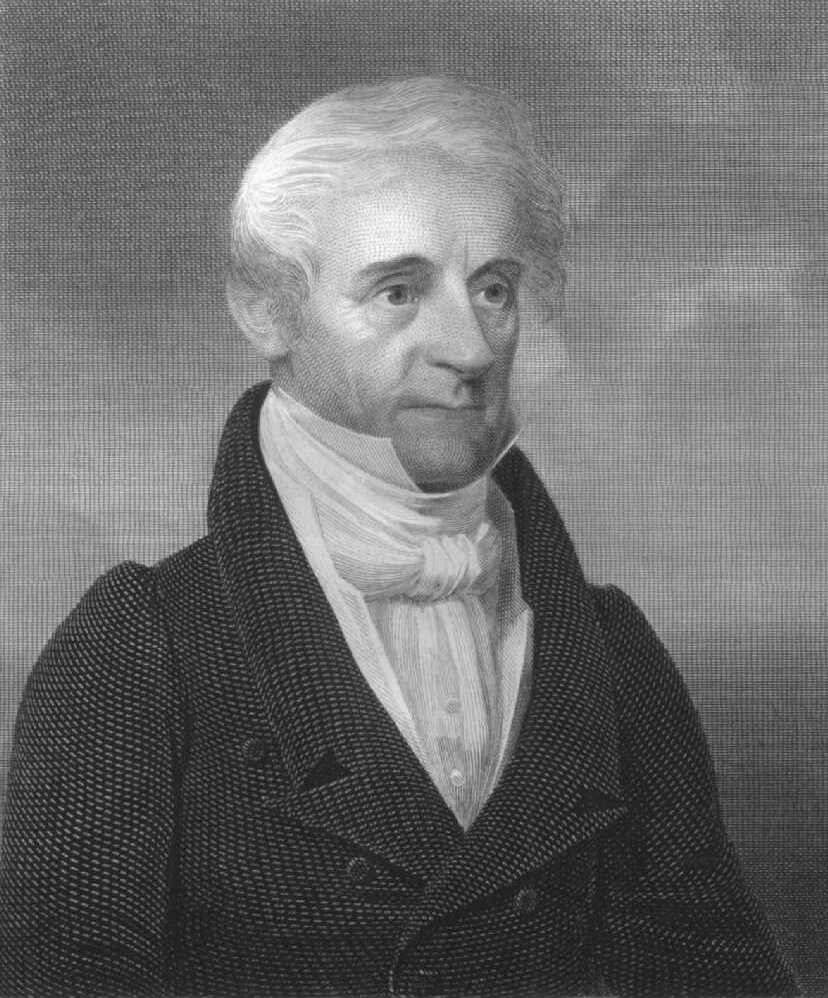
Historical · U.S. House · New York · District 9
Solomon Van Rensselaer
Former U.S. Representative · New York District 9 · 1819–1823 · Federalist
Solomon Van Rensselaer represented New York's District 9 in the United States House of Representatives (1819–1823) for the Federalist party. The page below collects sourced biographical facts, term history, committee roles, and provenance for Rensselaer.
Bioguide ID: V000055
Key facts
- Full name
- Solomon Van Rensselaer
- State
- New York
- District
- District 9
- Party
- Federalist
- House service
- 1819–1823
- First House term
- 1819
- Status
- Left office
- Current term ends
- —
- Born
- 1774
- Bioguide ID
- V000055
- Committee assignments
- —
- Dataset version
- 1.20260606
Biographical narrative
802 words · sourced from the Wikipedia REST extract
Solomon Van Rensselaer was a prominent figure in early 19th-century American politics, serving as a U.S. Representative for New York's 9th congressional district. A member of the Federalist Party, he held office during a transformative period in American history, marked by the War of 1812 and significant political realignments. In addition to his legislative career, Van Rensselaer had a distinguished military background and served in various capacities in the New York State militia. His life spanned a time of great change in the United States, and his contributions to both military and civic life were notable.
Early life and career
Born on August 6, 1774, in Greenbush, New York, Solomon Van Rensselaer was the son of Hendrick Kiliaen "Henry" Van Rensselaer and Alida Bratt. He completed his early education in East Greenbush, which laid the foundation for his future endeavors. His military career began in 1792 when he was appointed as a cornet in the United States Army. He quickly ascended through the ranks, becoming a captain in July 1793 and then a major by January 1799. After serving for several years, he was honorably discharged in June 1800.
Following his military service, Van Rensselaer took on a significant role in the New York State militia. He was appointed Adjutant General of New York in 1801, a position he held until 1809. He returned to this role intermittently, serving again from 1810 to 1811 and from 1813 to 1821. His military service included participation in the War of 1812, where he served as a lieutenant colonel in the New York State Militia, contributing to the defense of his state during a critical time in American history.
In addition to his military career, Van Rensselaer was also involved in local governance and public service. He was appointed as the postmaster of Albany, New York, a position he held for 17 years, demonstrating his commitment to public service and community engagement. His involvement in the opening of the Erie Canal on November 4, 1825, as a delegate from New York highlighted his interest in infrastructure and economic development in the region.
House tenure
Solomon Van Rensselaer was elected to the United States Congress as a member of the Federalist Party, serving in the Sixteenth and Seventeenth Congresses. His congressional career began on March 4, 1819, and he served until January 14, 1822, when he resigned from his position. During his time in the House of Representatives, he was involved in various legislative matters pertinent to his constituents and the nation at large. His tenure coincided with a period of significant political and social change, including debates over issues such as national infrastructure, economic policy, and the contentious topic of slavery.
As a Federalist, Van Rensselaer represented a party that was increasingly in decline during his time in office, as the Democratic-Republican Party began to dominate the political landscape. Despite the challenges faced by the Federalists, Van Rensselaer's contributions to the legislative process were part of the broader discourse of the time, reflecting the complexities of governance in a young nation.
Legislative focus and committees
While specific details regarding the legislation Van Rensselaer supported or the committees on which he served are not extensively documented, it is known that he was an advocate for infrastructure development, as evidenced by his participation in the opening of the Erie Canal. His military background likely influenced his perspectives on national defense and veterans' affairs, though the specifics of his legislative initiatives remain less clear.
Van Rensselaer was known to have opposed the extension of slavery into newly acquired territories, a stance that aligned with the broader Federalist ideology of the time. However, it is important to note that he owned slaves until the gradual emancipation law in New York ended the practice in 1827. This aspect of his life reflects the complexities and contradictions of individual beliefs and practices during a period when the institution of slavery was a contentious issue in American society.
After resigning from Congress, Van Rensselaer continued to serve his community as the postmaster of Albany until 1839 and again from 1841 to 1843. His long tenure in this role underscored his ongoing commitment to public service and civic engagement.
In summary, Solomon Van Rensselaer's life and career encapsulate the multifaceted nature of early American political and military life. His contributions as a soldier, legislator, and public servant reflect the evolving landscape of the United States during a formative period. His legacy is intertwined with the history of New York and the broader narrative of the nation as it navigated the challenges of governance, societal change, and national identity. Van Rensselaer passed away near Albany on April 23, 1852, at the age of 77, leaving behind a legacy that would be remembered in the context of both local and national history.
Notable legislation
Sponsored and co-sponsored legislation for Solomon Van Rensselaer is pending operator curation. The biographical narrative above carries the same provenance trail until per-bill rows are written.
Sources
- [1]https://en.wikipedia.org/wiki/Solomon_Van_RensselaerWikipedia · retrieved 2026-06-06
Notable quotes
Sourced quotes for Solomon Van Rensselaer are pending operator curation. Narrative-scope provenance remains attached below.
Sources
- [1]https://en.wikipedia.org/wiki/Solomon_Van_RensselaerWikipedia · retrieved 2026-06-06
Key positions
Curated policy positions for Solomon Van Rensselaer are pending operator review. The biographical narrative above carries the same provenance trail until per-topic positions are written.
Sources
- [1]https://en.wikipedia.org/wiki/Solomon_Van_RensselaerWikipedia · retrieved 2026-06-06
Terms served
- 1819–1821U.S. House · Term 1 · Federalist
- 1821–1823U.S. House · Term 2 · Federalist
Sources & provenance
Every attributable claim above carries a per-section [N] marker that resolves to the corresponding URL below. Each entry records the upstream provider, the canonical URL, and the timestamp at which the source was retrieved by the ingest pipeline.
Key facts
- https://bioguide.congress.gov/search/bio/V000055bioguide · retrieved 2026-06-06
- https://www.govtrack.us/congress/members/411097govtrack · retrieved 2026-06-06
Biographical narrative
- https://en.wikipedia.org/wiki/Solomon_Van_Rensselaerwikipedia · retrieved 2026-06-06
Find your representative
Every U.S. state elects representatives by district. Browse New York’s delegation, the full former-representative roster, or explore the role and term length.
Related on The Candidate
- Preceded by Rensselaer WesterloEarlier holder of the New York District 9 House seat · Federalist.Open
- Succeeded by James HogeboomLater holder of the New York District 9 House seat.Open
- Abel HuntingtonFormer U.S. Representative · New York District 1 · JacksonOpen
- Alfred ChapinFormer U.S. Representative · New York District 1 · DemocraticOpen
- Cadwallader ColdenFormer U.S. Representative · New York District 1 · FederalistOpen
- Charles FloydFormer U.S. Representative · New York District 1 · DemocraticOpen