
Historical · U.S. House · PI · At-Large
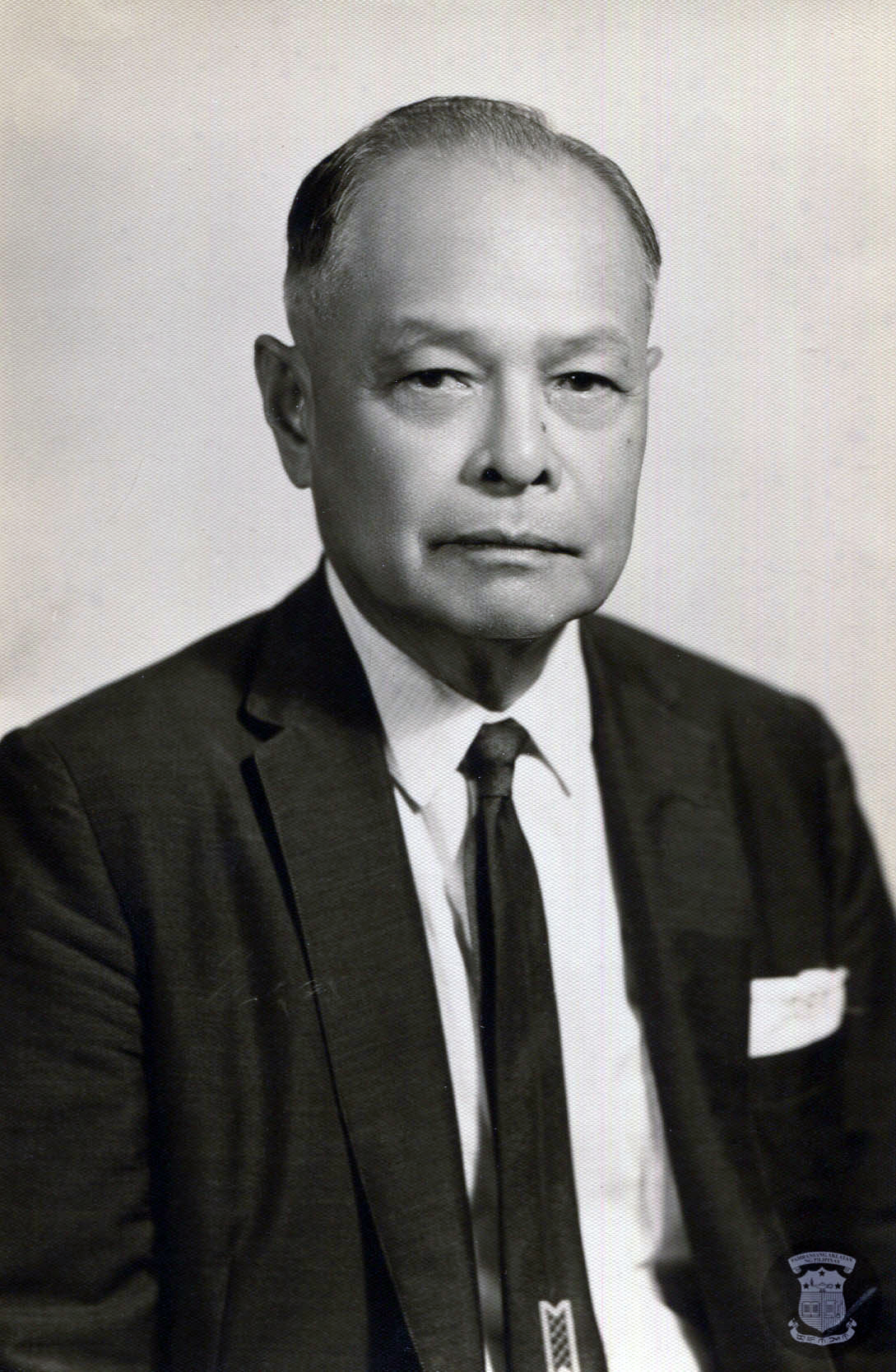
Camilo Osias
Former U.S. Representative · PI At-Large · 1929–1935
Camilo Osias represented PI's At-Large in the United States House of Representatives (1929–1935). The page below collects sourced biographical facts, term history, committee roles, and provenance for Osias.
Bioguide ID: O000118
Key facts
- Full name
- Camilo Osias
- State
- PI
- District
- At-Large
- Party
- —
- House service
- 1929–1935
- First House term
- 1929
- Status
- Left office
- Current term ends
- —
- Born
- 1889
- Bioguide ID
- O000118
- Committee assignments
- —
- Dataset version
- 1.20260606
Biographical narrative
886 words · sourced from the Wikipedia REST extract
Camilo Osias was a Filipino politician who served as a U.S. Representative for the Philippines in the House of Representatives during the early 20th century. He was a member of the Nacionalista Party and held the position of Resident Commissioner, a role that allowed him to represent the interests of the Philippines in the United States Congress. His tenure spanned from 1929 to 1935, during which he participated in significant legislative discussions and advocated for the needs of his constituents. Osias's career extended beyond his time in the U.S. House, as he later returned to the Philippines to engage in various educational and political roles, including serving in the Philippine Senate.
Early life and career
Camilo Osias was born on March 23, 1889, in the Philippines. His early education took place in several locations, including Balaoan, Vigan, and San Fernando. In 1905, he was selected as a government scholar to study in the United States, which marked the beginning of his formal education abroad. He attended the University of Chicago in 1906 and 1907, where he furthered his academic pursuits. Osias graduated from the Western Illinois State Teachers College in Macomb, Illinois, in 1908, and subsequently earned a degree from the Teachers College of Columbia University in New York City in 1910.
Upon returning to the Philippines, Osias began a career in education, where he held various administrative positions. He became the first Filipino Superintendent of Schools from 1915 to 1916, demonstrating his commitment to improving the educational system in the country. Following this role, he served as the Assistant Director of Education from 1917 to 1921 and was a lecturer at the University of the Philippines during the same period. His leadership in education continued as he took on the role of President of National University, a private institution, from 1921 until 1936. Through these positions, Osias contributed significantly to the development of education in the Philippines, laying the groundwork for future reforms.
House tenure
Osias's political career began to take shape when he became a member of the first Philippine mission to the United States from 1919 to 1920. This experience provided him with valuable insights into the workings of American governance and the relationship between the Philippines and the United States. In 1925, he was elected to the Philippine Senate as a member of the Nacionalista Party. However, his political aspirations led him to resign from the Senate in 1929 to become a Resident Commissioner in the U.S. House of Representatives, a position that allowed him to represent the Philippines in Congress.
During his time in the House, which lasted from 1929 until January 3, 1935, Osias was reelected in 1931, reflecting his continued support among his constituents. As a Resident Commissioner, he participated in legislative discussions and advocated for the interests of the Philippines, particularly during a period of significant political change as the country moved toward greater autonomy. His tenure in the House was marked by the challenges of representing a territory with unique needs and aspirations, as well as navigating the complexities of U.S. politics.
Osias's term in the House concluded in early 1935, coinciding with the establishment of the Philippine Commonwealth, which altered the political landscape in the Philippines. After his congressional term, he continued to be active in politics, participating in the Constitutional Convention of 1934 and serving as a member of the first National Assembly for La Union's 1st district in 1935. His involvement in these significant political bodies underscored his ongoing commitment to shaping the future of the Philippines.
Legislative focus and committees
While specific details regarding the exact legislative initiatives and committee assignments during Osias's tenure in the U.S. House are not extensively documented, it is known that his role as a Resident Commissioner involved advocating for the interests of the Philippines. This included addressing issues related to education, economic development, and the political status of the Philippines. His background in education likely influenced his focus on policies that would benefit the educational system and promote the welfare of Filipino citizens.
In addition to his legislative work, Osias's political career continued to evolve after his time in the U.S. House. He was involved in various missions and committees aimed at improving the Philippines' economic and educational landscape. For instance, he was a member of the Economic Mission to the United States in 1939 and served as the chairman of the Educational Mission from 1938 to 1941. These roles reflected his ongoing dedication to enhancing the educational infrastructure and economic opportunities in the Philippines.
After returning to the Philippines, Osias held several key positions in government, including chairman of the National Council of Education and Minister of Education until 1945. His extensive experience in education and governance positioned him as a significant figure in shaping educational policy in the post-war Philippines. He also served in the Philippine Senate after being elected in 1947, where he continued to influence legislative matters until his retirement from active politics.
Osias's contributions to both education and politics in the Philippines left a lasting impact, and his legacy is remembered in various ways, including the naming of a street in Quezon City after him. His career exemplifies the intersection of education and public service, highlighting the important role that leaders play in shaping the future of their nations.
Notable legislation
Sponsored and co-sponsored legislation for Camilo Osias is pending operator curation. The biographical narrative above carries the same provenance trail until per-bill rows are written.
Sources
- [1]https://en.wikipedia.org/wiki/Camilo_Os%C3%ADasWikipedia · retrieved 2026-06-06
Notable quotes
Sourced quotes for Camilo Osias are pending operator curation. Narrative-scope provenance remains attached below.
Sources
- [1]https://en.wikipedia.org/wiki/Camilo_Os%C3%ADasWikipedia · retrieved 2026-06-06
Key positions
Curated policy positions for Camilo Osias are pending operator review. The biographical narrative above carries the same provenance trail until per-topic positions are written.
Sources
- [1]https://en.wikipedia.org/wiki/Camilo_Os%C3%ADasWikipedia · retrieved 2026-06-06
Terms served
- 1929–1931U.S. House · Term 1
- 1931–1933U.S. House · Term 2
- 1933–1935U.S. House · Term 3
Sources & provenance
Every attributable claim above carries a per-section [N] marker that resolves to the corresponding URL below. Each entry records the upstream provider, the canonical URL, and the timestamp at which the source was retrieved by the ingest pipeline.
Key facts
- https://bioguide.congress.gov/search/bio/O000118bioguide · retrieved 2026-06-06
- https://www.govtrack.us/congress/members/408373govtrack · retrieved 2026-06-06
Biographical narrative
- https://en.wikipedia.org/wiki/Camilo_Os%C3%ADaswikipedia · retrieved 2026-06-06
Find your representative
Every U.S. state elects representatives by district. Browse PI’s delegation, the full former-representative roster, or explore the role and term length.
Related on The Candidate
- Preceded by Jaime De VeyraEarlier holder of the PI At-Large House seat.Open
- Succeeded by Francisco DelgadoLater holder of the PI At-Large House seat.Open
- Benito Legarda Y TuasonFormer U.S. Representative · PI At-LargeOpen
- Carlos RomuloFormer U.S. Representative · PI At-LargeOpen
- Isauro GabaldonFormer U.S. Representative · PI At-LargeOpen
- Representatives from PIEvery former U.S. Representative who has represented PI.Open