
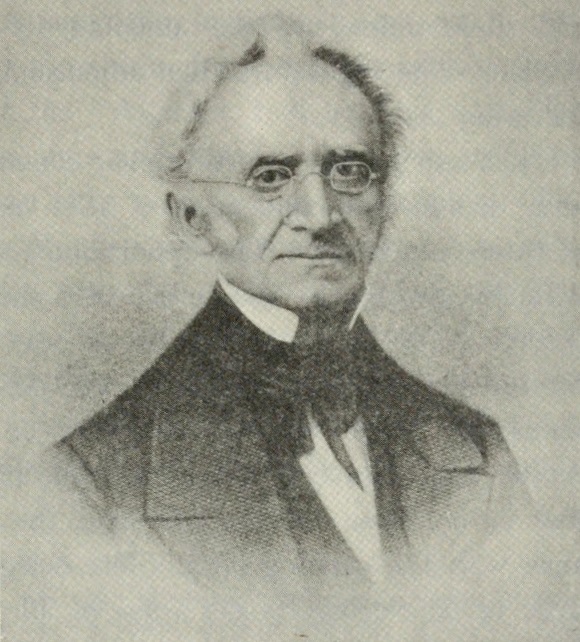
Historical · U.S. House · Rhode Island · District 1
Henry Cranston
Former U.S. Representative · Rhode Island District 1 · 1843–1847 · Whig
Henry Cranston represented Rhode Island's District 1 in the United States House of Representatives (1843–1847) for the Whig party. The page below collects sourced biographical facts, term history, committee roles, and provenance for Cranston.
Bioguide ID: C000878
Key facts
- Full name
- Henry Cranston
- State
- Rhode Island
- District
- District 1
- Party
- Whig
- House service
- 1843–1847
- First House term
- 1843
- Status
- Left office
- Current term ends
- —
- Born
- 1789
- Bioguide ID
- C000878
- Committee assignments
- —
- Dataset version
- 1.20260606
Biographical narrative
907 words · sourced from the Wikipedia REST extract
Henry Cranston was a U.S. Representative from Rhode Island, serving in the House of Representatives during the mid-19th century. A member of the Whig Party, he held office for two terms from 1843 to 1847. Cranston's career spanned various roles, including law, military service, and state politics, reflecting his active engagement in public service and governance.
Early life and career
Henry Cranston was born on October 9, 1789, in Newport, Rhode Island. He received his early education in the public schools of Newport, which laid the foundation for his future endeavors. Following his schooling, Cranston pursued mercantile activities in New Bedford, Massachusetts, where he engaged in various business ventures. In 1810, he returned to Newport and continued his business as a commission merchant until 1815.
Cranston's career took a significant turn when he decided to study law. He was admitted to the bar in 1819, allowing him to commence his legal practice in Newport. His legal career was complemented by his role as clerk of the court of common pleas, a position he held from 1818 to 1833. This experience in the legal system likely provided him with valuable insights into the workings of government and law, which would later inform his political career.
In addition to his professional pursuits, Cranston was involved in military service, attaining the rank of colonel in the Rhode Island Militia. He commanded the Artillery Company of Newport from 1825 to 1828, demonstrating his commitment to community service and leadership. His military experience may have contributed to his understanding of civic duty and governance.
Cranston's political career began in earnest when he was elected to the Rhode Island House of Representatives, where he served from 1827 until 1843. His time in the state legislature provided him with a platform to influence local governance and engage with the issues of his time. In 1842, he played a significant role as a member and vice president of the convention that framed the state constitution, showcasing his involvement in shaping Rhode Island's legal framework.
House tenure
Cranston's tenure in the U.S. House of Representatives began when he was elected as a candidate of the Law and Order Party of Rhode Island to the Twenty-eighth Congress. His election marked a transition from state to federal politics, where he would have the opportunity to address national issues. Following his initial term, he was reelected as a member of the Whig Party to the Twenty-ninth Congress, serving from March 4, 1843, until March 3, 1847.
During his time in Congress, Cranston was involved in the legislative process during a period marked by significant national debates, including issues related to slavery, states' rights, and economic policies. Although specific details of his legislative actions are not documented, his participation in Congress would have placed him at the center of discussions that shaped the nation during a tumultuous era.
Cranston's congressional career was characterized by his alignment with the Whig Party, which was known for its opposition to the policies of the Democratic Party at the time. The Whigs advocated for a range of issues, including economic modernization and infrastructure development, which were critical to the growth of the United States in the mid-19th century. Cranston's contributions to these discussions would have been influenced by his background in commerce and law, as well as his experiences in state politics.
After completing his terms in the House of Representatives, Cranston returned to state politics, serving again in the Rhode Island House of Representatives from 1847 to 1854. His continued involvement in state governance included a notable role as Speaker of the House, where he would have presided over legislative sessions and contributed to the development of state laws and policies.
Legislative focus and committees
While specific details regarding Cranston's legislative focus and committee assignments during his time in Congress are not extensively documented, his background in law and commerce likely informed his interests and actions in the House. Members of Congress typically engage in a variety of issues based on their expertise and the needs of their constituents. Given Cranston's extensive experience in business and law, it is plausible that he focused on matters related to economic development, legal reform, and governance.
Cranston's involvement in the Rhode Island House of Representatives after his congressional service indicates a sustained commitment to public service and legislative affairs. His role as Speaker of the House would have placed him in a position to influence state legislation and address the concerns of Rhode Island residents. This continued engagement in state politics suggests that he remained an active participant in shaping policy and governance long after his tenure in Congress.
In addition to his legislative roles, Cranston was among the signatories of a letter calling for the creation of the Constitutional Union Party in 1860. This involvement reflects his ongoing interest in political organization and party dynamics during a critical period leading up to the Civil War. The Constitutional Union Party aimed to promote national unity and prevent the secession of Southern states, highlighting the contentious political landscape of the time.
Henry Cranston passed away on February 12, 1864, in Newport, Rhode Island. His contributions to both state and national politics, along with his legal and military service, mark him as a notable figure in the history of Rhode Island's political landscape. He was interred in the Island Cemetery in Newport, where his legacy as a public servant and legislator continues to be remembered.
Notable legislation
Sponsored and co-sponsored legislation for Henry Cranston is pending operator curation. The biographical narrative above carries the same provenance trail until per-bill rows are written.
Sources
- [1]https://en.wikipedia.org/wiki/Henry_Y._CranstonWikipedia · retrieved 2026-06-06
Notable quotes
Sourced quotes for Henry Cranston are pending operator curation. Narrative-scope provenance remains attached below.
Sources
- [1]https://en.wikipedia.org/wiki/Henry_Y._CranstonWikipedia · retrieved 2026-06-06
Key positions
Curated policy positions for Henry Cranston are pending operator review. The biographical narrative above carries the same provenance trail until per-topic positions are written.
Sources
- [1]https://en.wikipedia.org/wiki/Henry_Y._CranstonWikipedia · retrieved 2026-06-06
Terms served
- 1843–1845U.S. House · Term 1 · Law and Order
- 1845–1847U.S. House · Term 2 · Whig
Sources & provenance
Every attributable claim above carries a per-section [N] marker that resolves to the corresponding URL below. Each entry records the upstream provider, the canonical URL, and the timestamp at which the source was retrieved by the ingest pipeline.
Key facts
- https://bioguide.congress.gov/search/bio/C000878bioguide · retrieved 2026-06-06
- https://www.govtrack.us/congress/members/402991govtrack · retrieved 2026-06-06
Biographical narrative
- https://en.wikipedia.org/wiki/Henry_Y._Cranstonwikipedia · retrieved 2026-06-06
Find your representative
Every U.S. state elects representatives by district. Browse Rhode Island’s delegation, the full former-representative roster, or explore the role and term length.
Related on The Candidate
- Succeeded by George KingLater holder of the Rhode Island District 1 House seat · Whig.Open
- Aime ForandFormer U.S. Representative · Rhode Island District 1 · DemocraticOpen
- Benjamin EamesFormer U.S. Representative · Rhode Island District 1 · RepublicanOpen
- Charles RiskFormer U.S. Representative · Rhode Island District 1 · RepublicanOpen
- Christopher RobinsonFormer U.S. Representative · Rhode Island District 1 · RepublicanOpen
- Representatives from Rhode IslandEvery former U.S. Representative who has represented Rhode Island.Open