
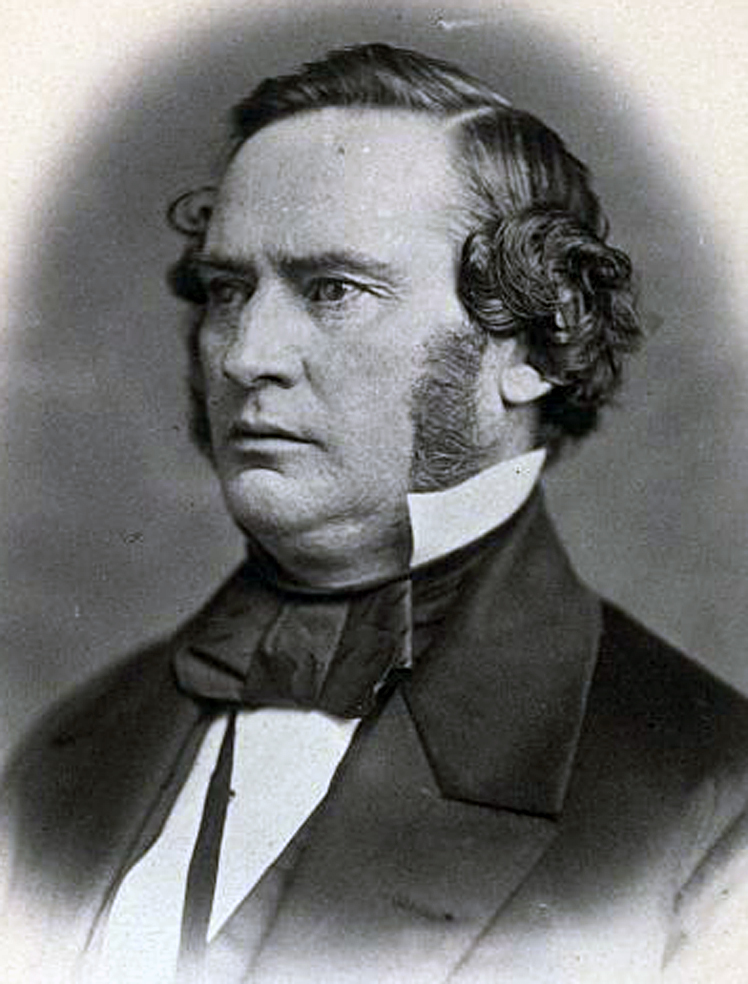
Historical · U.S. House · Rhode Island · District 1
Nathaniel Durfee
Former U.S. Representative · Rhode Island District 1 · 1855–1859 · Republican
Nathaniel Durfee represented Rhode Island's District 1 in the United States House of Representatives (1855–1859) for the Republican party. The page below collects sourced biographical facts, term history, committee roles, and provenance for Durfee.
Bioguide ID: D000569
Key facts
- Full name
- Nathaniel Durfee
- State
- Rhode Island
- District
- District 1
- Party
- Republican
- House service
- 1855–1859
- First House term
- 1855
- Status
- Left office
- Current term ends
- —
- Born
- 1812
- Bioguide ID
- D000569
- Committee assignments
- —
- Dataset version
- 1.20260606
Biographical narrative
931 words · sourced from the Wikipedia REST extract
Nathaniel Durfee was a prominent political figure in the mid-19th century, serving as a U.S. Representative from Rhode Island. His political career spanned two terms in the United States House of Representatives, where he was affiliated with the Republican Party after initially being elected as a member of the American Party. Durfee's contributions to his state and nation were shaped by his background in agriculture and his long-standing commitment to public service.
Early life and career
Nathaniel Durfee was born on September 29, 1812, in Tiverton, Rhode Island. His early education included preparatory studies, which laid the foundation for his later pursuits in both agriculture and politics. Tiverton, located in Newport County, was an area characterized by its rural landscape and agricultural activities, which likely influenced Durfee's career choices. Following his education, he engaged in agricultural pursuits, which included managing a fruit orchard. This involvement in agriculture not only provided him with a livelihood but also connected him to the local community and its economic activities.
Durfee's commitment to public service began at the state level, where he served as a member of the Rhode Island House of Representatives for eleven years. This experience in state government allowed him to gain valuable insights into legislative processes and the needs of his constituents. His tenure in the state legislature would have equipped him with the skills necessary for his later role in the U.S. Congress, as he became familiar with the intricacies of governance and the importance of representing the interests of the people.
House tenure
Durfee's entry into the U.S. House of Representatives marked a significant step in his political career. He was elected to the Thirty-fourth Congress as a candidate of the American Party, which was a political group that emerged in the 1850s, primarily focused on issues related to immigration and the influence of foreign-born citizens in American society. His election to this Congress was a reflection of the political climate of the time, as the American Party sought to address the concerns of nativist sentiments that were prevalent in various parts of the country.
Following his first term, Durfee was re-elected to the Thirty-fifth Congress as a member of the Republican Party, which had formed as a coalition of anti-slavery activists, former Whigs, and Free Soilers. This transition from the American Party to the Republican Party illustrates the shifting political landscape of the era, particularly as the nation grappled with issues surrounding slavery and states' rights. Durfee served in the House from March 4, 1855, until March 3, 1859, completing two full terms. His time in Congress coincided with a period of significant national tension, as debates over slavery and sectionalism intensified leading up to the Civil War.
During his congressional tenure, Durfee participated in the legislative process at a time when the nation was facing critical challenges. While specific details of his legislative contributions are not documented in the available records, it can be inferred that as a member of Congress, he would have engaged in discussions and decisions that shaped the future of the United States. His experience in the Rhode Island House of Representatives likely informed his approach to national issues, as he sought to balance local interests with broader national concerns.
After completing his terms in Congress, Durfee returned to his previous pursuits in agriculture. This return to his roots highlights a common trend among politicians of the time, who often maintained connections to their original professions even after serving in public office. His decision to resume agricultural activities may have reflected a desire to remain grounded in the community he represented, as well as a recognition of the importance of agriculture to the local economy.
Legislative focus and committees
While specific details regarding Durfee's legislative focus and committee assignments during his time in Congress are not extensively documented, the context of his political affiliations provides some insight into his potential areas of interest. As a member of the American Party and later the Republican Party, Durfee would have been involved in discussions surrounding immigration, civil rights, and the expansion of the United States. The Republican Party, in particular, was founded on principles that opposed the extension of slavery into new territories, which would have been a significant issue during his time in office.
Given the political dynamics of the mid-19th century, it is likely that Durfee participated in debates and legislative efforts related to the pressing issues of the day, including the tensions between free and slave states, the push for westward expansion, and the growing calls for civil rights. His background in agriculture may have also influenced his perspectives on economic policies that affected farmers and rural communities.
After leaving Congress, Durfee continued to serve his community in other capacities, including a role as county clerk. This position allowed him to remain engaged in public service and contribute to the administrative functions of local government. His work as county clerk would have involved overseeing various records and documents, further demonstrating his commitment to civic duty.
Durfee's life came to an end on November 9, 1872, in Tiverton, Rhode Island. He was interred in the family burial ground near his hometown, marking the conclusion of a life dedicated to both agriculture and public service. His legacy as a U.S. Representative reflects the complexities of American politics during a transformative period in the nation's history, characterized by significant social and political upheaval. Through his service, Durfee contributed to the ongoing dialogue about the future of the United States and the values that would shape its development in the years to come.
Notable legislation
Sponsored and co-sponsored legislation for Nathaniel Durfee is pending operator curation. The biographical narrative above carries the same provenance trail until per-bill rows are written.
Sources
- [1]https://en.wikipedia.org/wiki/Nathan_B._DurfeeWikipedia · retrieved 2026-06-06
Notable quotes
Sourced quotes for Nathaniel Durfee are pending operator curation. Narrative-scope provenance remains attached below.
Sources
- [1]https://en.wikipedia.org/wiki/Nathan_B._DurfeeWikipedia · retrieved 2026-06-06
Key positions
Curated policy positions for Nathaniel Durfee are pending operator review. The biographical narrative above carries the same provenance trail until per-topic positions are written.
Sources
- [1]https://en.wikipedia.org/wiki/Nathan_B._DurfeeWikipedia · retrieved 2026-06-06
Terms served
- 1855–1857U.S. House · Term 1 · American
- 1857–1859U.S. House · Term 2 · Republican
Sources & provenance
Every attributable claim above carries a per-section [N] marker that resolves to the corresponding URL below. Each entry records the upstream provider, the canonical URL, and the timestamp at which the source was retrieved by the ingest pipeline.
Key facts
- https://bioguide.congress.gov/search/bio/D000569bioguide · retrieved 2026-06-06
- https://www.govtrack.us/congress/members/403672govtrack · retrieved 2026-06-06
Biographical narrative
- https://en.wikipedia.org/wiki/Nathan_B._Durfeewikipedia · retrieved 2026-06-06
Find your representative
Every U.S. state elects representatives by district. Browse Rhode Island’s delegation, the full former-representative roster, or explore the role and term length.
Related on The Candidate
- Preceded by Thomas DavisEarlier holder of the Rhode Island District 1 House seat · Democratic.Open
- Succeeded by Christopher RobinsonLater holder of the Rhode Island District 1 House seat · Republican.Open
- Aime ForandFormer U.S. Representative · Rhode Island District 1 · DemocraticOpen
- Benjamin EamesFormer U.S. Representative · Rhode Island District 1 · RepublicanOpen
- Charles RiskFormer U.S. Representative · Rhode Island District 1 · RepublicanOpen
- Republican PartyFederal candidates and office holders on the Republican line.Open