
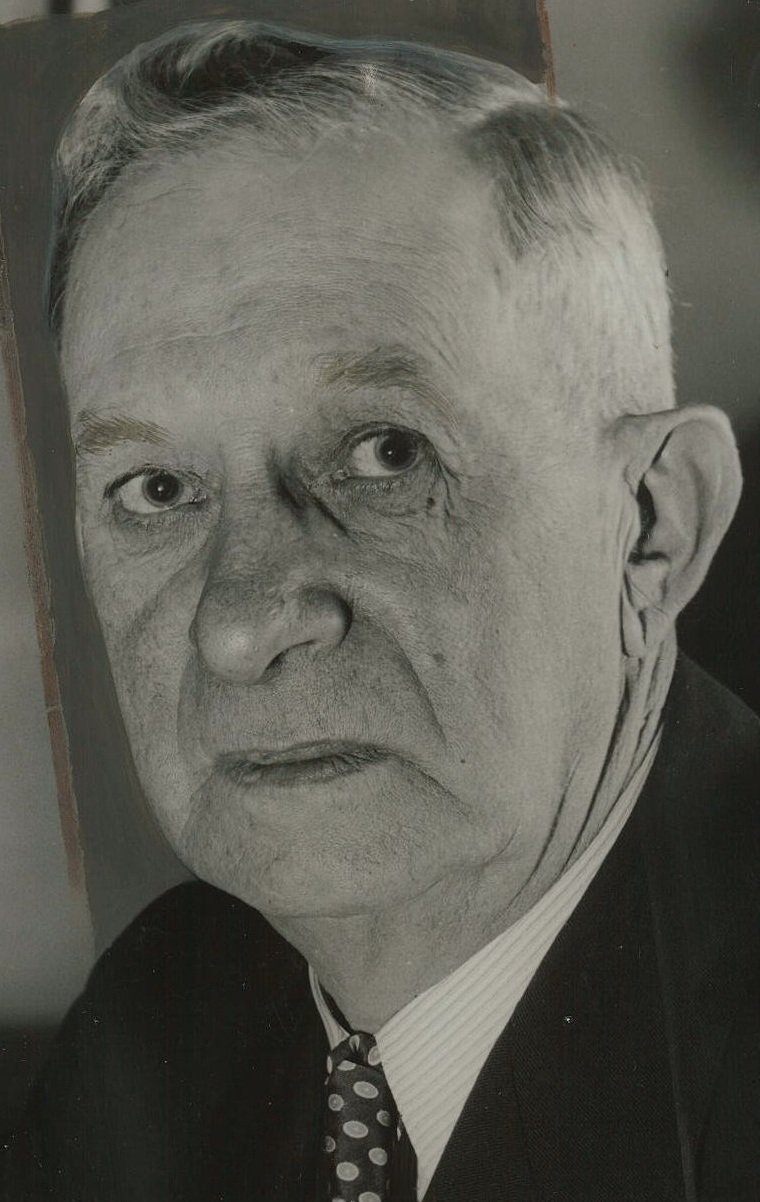
Historical · U.S. House · South Dakota · District 1
Fred Hildebrandt
Former U.S. Representative · South Dakota District 1 · 1933–1939 · Democratic
Fred Hildebrandt represented South Dakota's District 1 in the United States House of Representatives (1933–1939) for the Democratic party. The page below collects sourced biographical facts, term history, committee roles, and provenance for Hildebrandt.
Bioguide ID: H000584
Key facts
- Full name
- Fred Hildebrandt
- State
- South Dakota
- District
- District 1
- Party
- Democratic
- House service
- 1933–1939
- First House term
- 1933
- Status
- Left office
- Current term ends
- —
- Born
- 1874
- Bioguide ID
- H000584
- Committee assignments
- —
- Dataset version
- 1.20260605
Biographical narrative
891 words · sourced from the Wikipedia REST extract
Fred Hildebrandt was a prominent figure in South Dakota's political landscape during the early 20th century, serving as a U.S. Representative for the state’s first congressional district. A member of the Democratic Party, he held office in the House of Representatives for three consecutive terms from 1933 until 1939. Prior to his congressional career, Hildebrandt had a diverse professional background, including significant experience in the railroad industry and public service in state government. His life spanned from August 2, 1874, until January 26, 1956, marking a period of considerable change in American society and politics.
Early life and career
Fred Hildebrandt was born in West Bend, Wisconsin, in 1874. His early years were spent in Waupun, Wisconsin, where he attended local public schools and completed his high school education. This foundational period in Wisconsin provided him with the educational background necessary for his future endeavors. In 1900, seeking new opportunities, Hildebrandt relocated to Watertown, South Dakota. This move marked a significant transition in his life, as he began to establish himself in a new community.
Upon arriving in South Dakota, Hildebrandt embarked on a career with the Chicago and North Western Railway. His work with the railroad spanned nearly three decades, from 1903 until 1932. During this time, he gained valuable experience and insights into the economic and social dynamics of the region. The railroad industry was a critical component of South Dakota's infrastructure and economy, and Hildebrandt's involvement in this sector likely shaped his understanding of the challenges and opportunities facing the state.
In addition to his work in the railroad industry, Hildebrandt also engaged in public service. He was elected to the South Dakota House of Representatives, where he served from 1922 to 1923. This experience in state government provided him with a platform to understand legislative processes and the needs of his constituents. Following his tenure in the state legislature, Hildebrandt was appointed as the head of the South Dakota Game and Fish Commission, a position he held from 1927 to 1931. This role allowed him to contribute to the management and conservation of the state's natural resources, further solidifying his commitment to public service.
House tenure
In 1932, Fred Hildebrandt was elected to the United States House of Representatives as a Democrat, marking the beginning of his congressional career. His election came during a tumultuous time in American history, as the nation was grappling with the effects of the Great Depression. Hildebrandt's tenure in the House began in 1933, and he was re-elected for two additional terms, serving until January 3, 1939. Throughout his time in Congress, he was involved in various legislative activities that reflected the pressing issues of the era.
During his three terms in the House, Hildebrandt participated in the legislative discussions and decisions that shaped the New Deal policies aimed at economic recovery. The New Deal, introduced by President Franklin D. Roosevelt, sought to address the widespread unemployment and economic instability caused by the Great Depression. As a member of Congress during this pivotal period, Hildebrandt had the opportunity to influence legislation that aimed to provide relief and support to struggling Americans.
In 1938, Hildebrandt sought to further his political career by running for the position of United States Senator. However, he faced a challenging primary election against former Governor Tom Berry. Despite his efforts, Hildebrandt was unsuccessful in securing the Democratic nomination, which marked a turning point in his political journey. Following this defeat, he chose to retire from public life, returning to Watertown, South Dakota, where he continued to reside until his later years.
Legislative focus and committees
Throughout his congressional career, Fred Hildebrandt's legislative focus was likely informed by his background in the railroad industry and his commitment to public service. While specific details regarding the bills he sponsored or the committees he served on are not provided, it can be inferred that his experiences would have influenced his priorities as a legislator. Given the economic challenges of the time, it is reasonable to assume that Hildebrandt was involved in discussions related to infrastructure, labor, and economic recovery.
As a member of the House of Representatives, Hildebrandt would have participated in various committees that addressed issues pertinent to his constituents and the broader national interest. His work on the South Dakota Game and Fish Commission may have also influenced his perspective on environmental and conservation issues, which were becoming increasingly important during the 1930s. The intersection of economic development and environmental stewardship was a growing concern, and Hildebrandt's background may have positioned him to contribute meaningfully to these discussions.
After his congressional career, Hildebrandt withdrew from the political arena and returned to Watertown, where he lived until his death in 1956. His later years were spent away from the public eye, but his contributions to South Dakota's political landscape and his service in the U.S. House of Representatives remain a part of the state's history. He passed away in Bradenton, Florida, and was laid to rest at Mount Hope Cemetery in Watertown.
Fred Hildebrandt's life and career reflect the complexities of American political life in the early 20th century, marked by significant social and economic changes. His journey from a Wisconsin upbringing to a congressional seat in South Dakota illustrates the opportunities and challenges faced by individuals in public service during a transformative period in U.S. history.
Notable legislation
Sponsored and co-sponsored legislation for Fred Hildebrandt is pending operator curation. The biographical narrative above carries the same provenance trail until per-bill rows are written.
Sources
- [1]https://en.wikipedia.org/wiki/Fred_H._HildebrandtWikipedia · retrieved 2026-06-05
Notable quotes
Sourced quotes for Fred Hildebrandt are pending operator curation. Narrative-scope provenance remains attached below.
Sources
- [1]https://en.wikipedia.org/wiki/Fred_H._HildebrandtWikipedia · retrieved 2026-06-05
Key positions
Curated policy positions for Fred Hildebrandt are pending operator review. The biographical narrative above carries the same provenance trail until per-topic positions are written.
Sources
- [1]https://en.wikipedia.org/wiki/Fred_H._HildebrandtWikipedia · retrieved 2026-06-05
Terms served
- 1933–1935U.S. House · Term 1 · Democratic
- 1935–1937U.S. House · Term 2 · Democratic
- 1937–1939U.S. House · Term 3 · Democratic
Sources & provenance
Every attributable claim above carries a per-section [N] marker that resolves to the corresponding URL below. Each entry records the upstream provider, the canonical URL, and the timestamp at which the source was retrieved by the ingest pipeline.
Key facts
- https://bioguide.congress.gov/search/bio/H000584bioguide · retrieved 2026-06-05
- https://www.govtrack.us/congress/members/405446govtrack · retrieved 2026-06-05
Biographical narrative
- https://en.wikipedia.org/wiki/Fred_H._Hildebrandtwikipedia · retrieved 2026-06-05
Find your representative
Every U.S. state elects representatives by district. Browse South Dakota’s delegation, the full former-representative roster, or explore the role and term length.
Related on The Candidate
- Preceded by Charles ChristophersonEarlier holder of the South Dakota District 1 House seat · Republican.Open
- Succeeded by Harold LovreLater holder of the South Dakota District 1 House seat · Republican.Open
- Benjamin ReifelFormer U.S. Representative · South Dakota District 1 · RepublicanOpen
- Charles DillonFormer U.S. Representative · South Dakota District 1 · RepublicanOpen
- Frank DenholmFormer U.S. Representative · South Dakota District 1 · DemocraticOpen
- Democratic PartyFederal candidates and office holders on the Democratic line.Open