
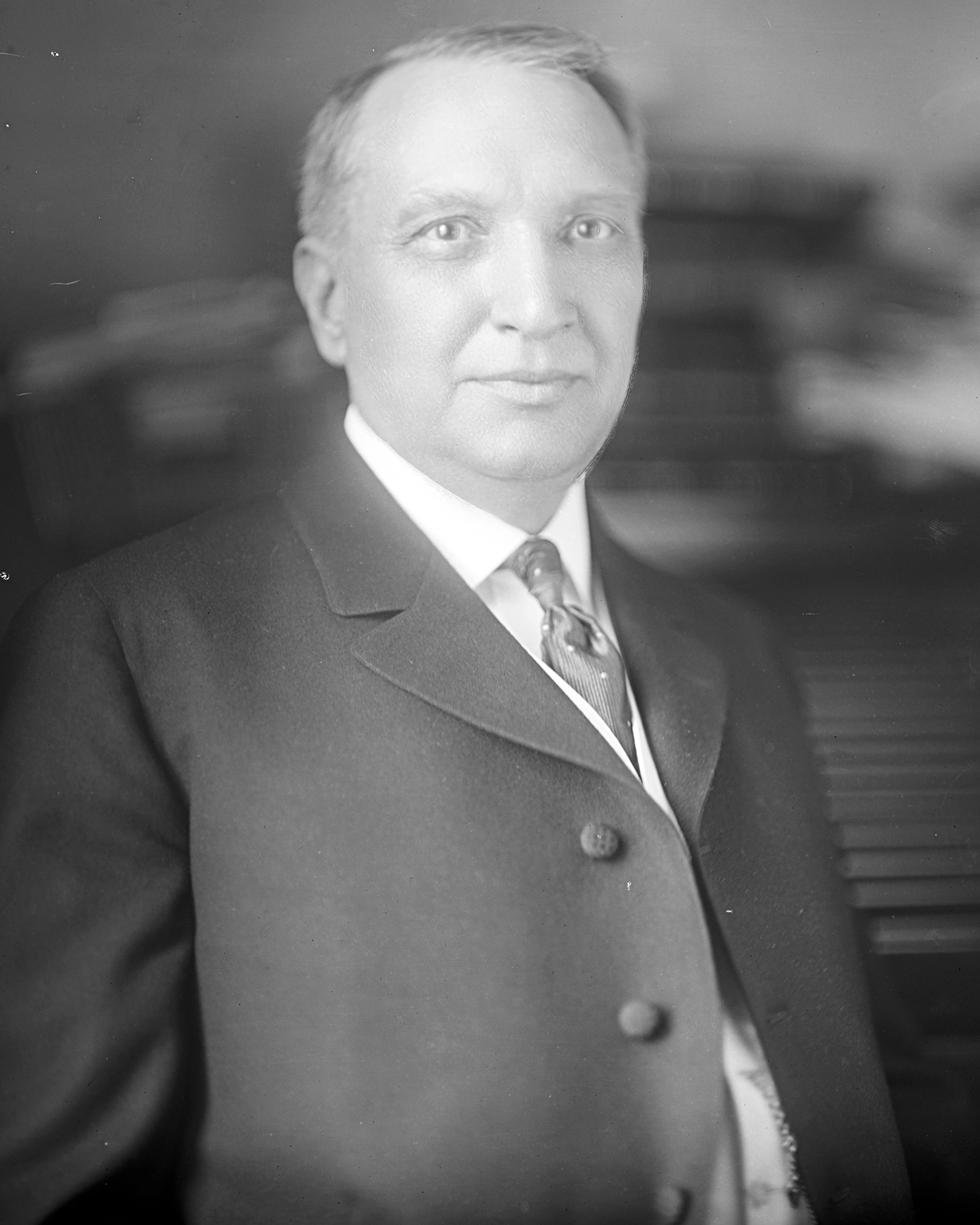
Historical · U.S. House · Texas · District 7
Alexander Gregg
Former U.S. Representative · Texas District 7 · 1903–1919 · Democratic
Alexander Gregg represented Texas's District 7 in the United States House of Representatives (1903–1919) for the Democratic party. The page below collects sourced biographical facts, term history, committee roles, and provenance for Gregg.
Bioguide ID: G000441
Key facts
- Full name
- Alexander Gregg
- State
- Texas
- District
- District 7
- Party
- Democratic
- House service
- 1903–1919
- First House term
- 1903
- Status
- Left office
- Current term ends
- —
- Born
- 1855
- Bioguide ID
- G000441
- Committee assignments
- —
- Dataset version
- 1.20260606
Biographical narrative
913 words · sourced from the Wikipedia REST extract
Alexander Gregg was an American politician and lawyer who served as a Democratic member of the United States House of Representatives for Texas's 7th congressional district from 1903 until 1919. His tenure in Congress spanned 16 years, during which he participated in various legislative activities and held significant committee positions. Born in 1855 in Centerville, Texas, Gregg's early life experiences and education laid the foundation for his later political career.
Early life and career
Alexander White Gregg was born on January 31, 1855, in Centerville, Texas, to Susan C. and James W. Gregg. His early life was marked by personal tragedy; his father was killed during the American Civil War, which profoundly affected his family. Following this loss, his mother remarried, and young Alexander was sent to live with his aunt in Mississippi. This relocation was a significant transition in his formative years, as it exposed him to different educational and social environments.
Gregg received his early education in public schools, which provided him with a foundational knowledge that would serve him well in his future endeavors. He later attended King College, now known as King University, located in Bristol, Tennessee, where he graduated in 1874. Following his undergraduate studies, he pursued a legal education at the University of Virginia in Charlottesville. This academic background equipped him with the skills necessary for a career in law and politics.
After completing his legal studies, Gregg was admitted to the Texas bar in 1878. He began practicing law in Palestine, Texas, where he established himself in the legal community. His legal career provided him with valuable experience and connections that would later aid his political aspirations. In addition to his law practice, Gregg entered public service by serving in the Texas Senate, representing District 7 from 1886 to 1888. This experience in state politics helped him build a reputation as a dedicated public servant and laid the groundwork for his subsequent congressional campaign.
House tenure
Gregg's political career took a significant turn when he ran for a seat in the United States House of Representatives, representing Texas's 7th congressional district. He was elected to Congress in 1903, marking the beginning of an extensive legislative career that would last for 16 years. Throughout his time in the House, he was re-elected multiple times, serving a total of eight terms. His tenure in Congress was characterized by active participation in various legislative matters and a commitment to his constituents.
During his time in the House, Gregg was involved in numerous issues relevant to his district and the nation. He served on several committees, which allowed him to influence legislation and advocate for the interests of Texas residents. Notably, he held the position of chairman of the Committee on War Claims from 1913 until the end of his congressional career in 1919. This role placed him at the forefront of discussions regarding claims related to wartime damages and compensation, an important issue during a period marked by global conflict.
Gregg chose not to seek re-election in 1918, concluding his congressional service on March 3, 1919. His decision to step away from politics came at a time when the nation was undergoing significant changes, including the aftermath of World War I. Following his departure from Congress, he returned to Palestine, Texas, where he continued to be involved in local affairs until his death.
Legislative focus and committees
Throughout his congressional career, Alexander Gregg focused on various legislative priorities that reflected the interests and needs of his constituents in Texas's 7th congressional district. His work in the House encompassed a range of issues, including economic development, infrastructure, and veterans' affairs. As a member of the Democratic Party, he aligned himself with the party's broader goals and initiatives during a time of significant political and social change in the United States.
One of the key positions held by Gregg was his role as chairman of the Committee on War Claims. In this capacity, he was responsible for overseeing legislation related to claims made by individuals and entities seeking compensation for losses incurred during wartime. This role was particularly relevant during the years following World War I, as many veterans and their families sought redress for their sacrifices. Gregg's leadership on this committee allowed him to play a crucial role in shaping policies that affected veterans and their rights.
In addition to his committee work, Gregg's legislative contributions included advocating for various measures aimed at improving the lives of his constituents. His efforts in Congress were informed by his legal background, which provided him with a unique perspective on the implications of legislation. He worked to ensure that the interests of Texas residents were represented in national discussions, particularly in areas that directly impacted their livelihoods and well-being.
Gregg's legislative focus and committee leadership reflect his commitment to public service and the responsibilities entrusted to him by his constituents. His long tenure in the House of Representatives is indicative of his ability to navigate the complexities of federal legislation and advocate for the needs of those he represented.
After leaving Congress, Gregg passed away on April 30, 1919, in Palestine, Texas, just a month after concluding his final term. He is interred in East Hill Cemetery, where his legacy as a public servant is remembered. In recognition of his contributions, a historical marker was erected at his former home in Palestine, Texas, by the Texas State Historical Survey Committee in 1970, commemorating his life and service to the community.
Notable legislation
Sponsored and co-sponsored legislation for Alexander Gregg is pending operator curation. The biographical narrative above carries the same provenance trail until per-bill rows are written.
Sources
- [1]https://en.wikipedia.org/wiki/Alexander_W._GreggWikipedia · retrieved 2026-06-06
Notable quotes
Sourced quotes for Alexander Gregg are pending operator curation. Narrative-scope provenance remains attached below.
Sources
- [1]https://en.wikipedia.org/wiki/Alexander_W._GreggWikipedia · retrieved 2026-06-06
Key positions
Curated policy positions for Alexander Gregg are pending operator review. The biographical narrative above carries the same provenance trail until per-topic positions are written.
Sources
- [1]https://en.wikipedia.org/wiki/Alexander_W._GreggWikipedia · retrieved 2026-06-06
Terms served
- 1903–1905U.S. House · Term 1 · Democratic
- 1905–1907U.S. House · Term 2 · Democratic
- 1907–1909U.S. House · Term 3 · Democratic
- 1909–1911U.S. House · Term 4 · Democratic
- 1911–1913U.S. House · Term 5 · Democratic
- 1913–1915U.S. House · Term 6 · Democratic
- 1915–1917U.S. House · Term 7 · Democratic
- 1917–1919U.S. House · Term 8 · Democratic
Sources & provenance
Every attributable claim above carries a per-section [N] marker that resolves to the corresponding URL below. Each entry records the upstream provider, the canonical URL, and the timestamp at which the source was retrieved by the ingest pipeline.
Key facts
- https://bioguide.congress.gov/search/bio/G000441bioguide · retrieved 2026-06-06
- https://www.govtrack.us/congress/members/404788govtrack · retrieved 2026-06-06
Biographical narrative
- https://en.wikipedia.org/wiki/Alexander_W._Greggwikipedia · retrieved 2026-06-06
Find your representative
Every U.S. state elects representatives by district. Browse Texas’s delegation, the full former-representative roster, or explore the role and term length.
Related on The Candidate
- Preceded by George PendletonEarlier holder of the Texas District 7 House seat · Democratic.Open
- Succeeded by Clay BriggsLater holder of the Texas District 7 House seat · Democratic.Open
- Charles StewartFormer U.S. Representative · Texas District 1 · DemocraticOpen
- David KaufmanFormer U.S. Representative · Texas District 1 · DemocraticOpen
- Eugene BlackFormer U.S. Representative · Texas District 1 · DemocraticOpen
- George SmythFormer U.S. Representative · Texas District 1 · DemocraticOpen