
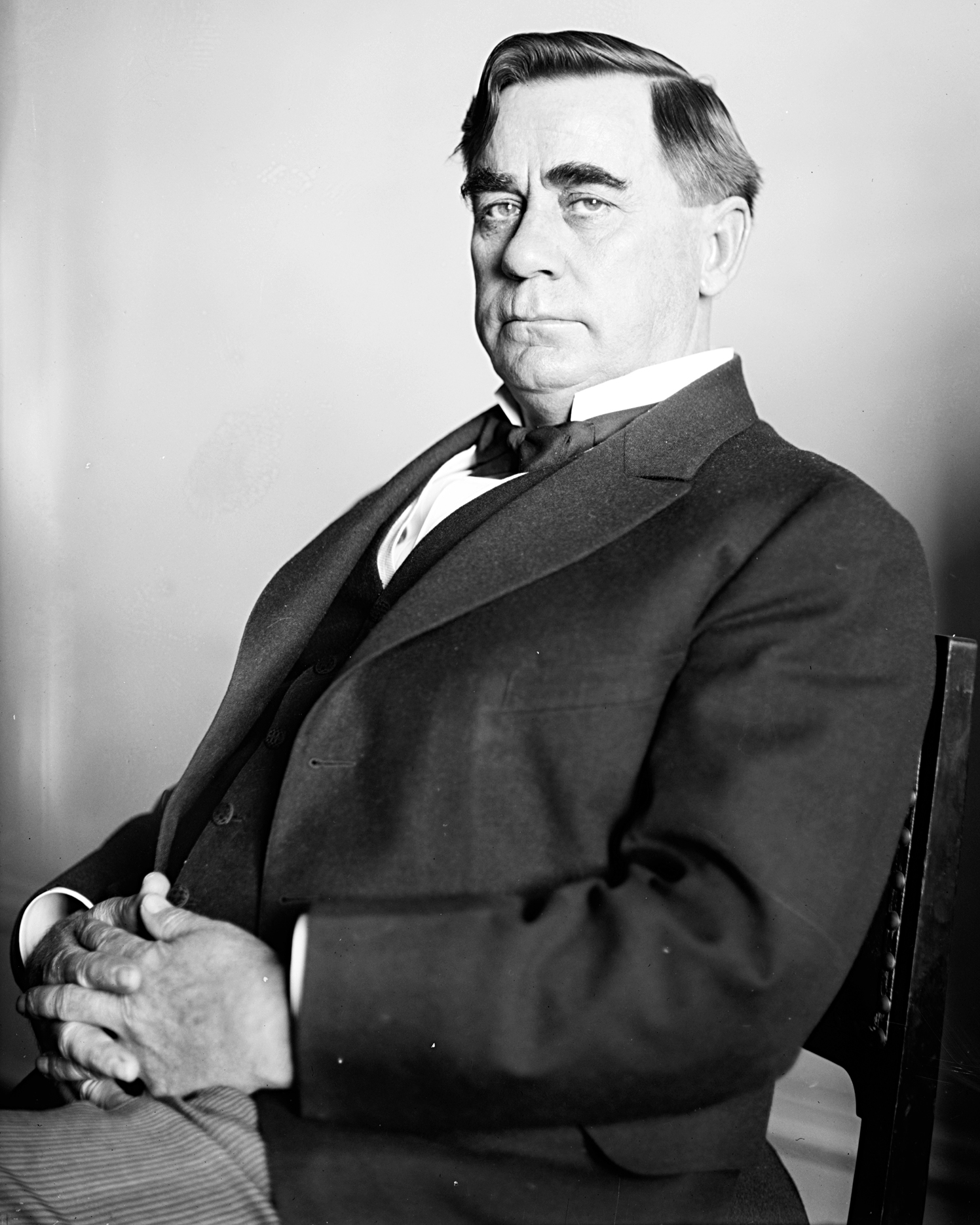
Historical · U.S. House · Texas · District 8
Daniel Garrett
Former U.S. Representative · Texas District 8 · 1913–1933 · Democratic
Daniel Garrett represented Texas's District 8 in the United States House of Representatives (1913–1933) for the Democratic party. The page below collects sourced biographical facts, term history, committee roles, and provenance for Garrett.
Bioguide ID: G000081
Key facts
- Full name
- Daniel Garrett
- State
- Texas
- District
- District 8
- Party
- Democratic
- House service
- 1913–1933
- First House term
- 1913
- Status
- Left office
- Current term ends
- —
- Born
- 1869
- Bioguide ID
- G000081
- Committee assignments
- —
- Dataset version
- 1.20260606
Biographical narrative
955 words · sourced from the Wikipedia REST extract
Daniel Garrett was a prominent Democratic politician who served as a U.S. Representative from Texas for a significant portion of the early 20th century. His political career spanned multiple terms in the U.S. House of Representatives, during which he represented both at-large and district-specific constituencies. Born in Tennessee, Garrett's early life and legal career laid the foundation for his later political endeavors. His tenure in Congress was marked by his commitment to his constituents and the issues of his time, culminating in a legacy that continued to be recognized even after his passing.
Early life and career
Daniel Garrett was born on April 28, 1869, in Robertson County, near Springfield, Tennessee. He was raised in an environment that emphasized education, as he attended the common schools in his native county. This foundational education would later serve him well as he pursued a career in law and politics. After completing his schooling, Garrett studied law and was admitted to the bar in 1893. He began practicing law in Springfield, Tennessee, where he quickly established himself in the legal community.
Garrett's entry into politics began shortly after he started his legal career. He was elected to the Tennessee House of Representatives, serving from 1892 to 1896. This early experience in state politics provided him with valuable insights into legislative processes and governance. Following his tenure in the House, he was elected to the Tennessee State Senate in 1902, a position he held until 1906. His time in the Senate further solidified his reputation as a dedicated public servant and allowed him to engage with a broader range of legislative issues.
In 1905, Garrett made a significant life change by moving to Houston, Texas. This relocation marked the beginning of a new chapter in his professional life, as he continued to practice law in Texas. His move to Houston coincided with a period of growth and development in the city, which would later play a crucial role in his political career. Garrett's legal practice in Houston allowed him to build a network of connections and gain a deeper understanding of the issues facing his new community.
House tenure
Garrett's political career in the U.S. House of Representatives began when he was elected at-large as a Democrat to the Sixty-third Congress, serving from March 4, 1913, to March 3, 1915. His election to Congress was a significant milestone, as it marked his transition from state-level politics to national governance. However, his initial term was not without challenges. In 1914, he faced defeat in his bid for reelection against James H. Davis, which led him to return to his legal practice in Houston.
Despite this setback, Garrett's political aspirations remained intact. In 1917, he ran again for the at-large seat and successfully won the election, serving in the Sixty-fifth Congress from March 4, 1917, to March 3, 1919. Following this term, he chose not to seek renomination in 1918, instead opting to focus on his legal career once more.
In 1920, a pivotal opportunity arose when the incumbent representative for Texas's 8th congressional district, Joe H. Eagle, retired. Garrett seized this chance and ran for the vacant seat. His campaign was successful, and he was elected to represent the 8th District, which encompassed Houston and its surrounding areas. He served in this capacity from March 4, 1921, until his death on December 13, 1932. During his time in the House, Garrett participated in various legislative activities and contributed to discussions on issues pertinent to his constituents and the nation.
Garrett's tenure in Congress spanned over a decade, during which he completed a total of eight terms. His long service in the House reflected both his commitment to public service and the trust placed in him by his constituents. He navigated the complexities of national politics during a transformative period in American history, which included the aftermath of World War I and the onset of the Great Depression.
Legislative focus and committees
Throughout his time in the House of Representatives, Daniel Garrett was involved in a range of legislative issues that were significant to his constituents and the broader American public. While specific details regarding the bills he sponsored or the committees he served on are not provided, it is evident that his long tenure allowed him to engage with various legislative matters. As a representative from Texas, he would have been particularly focused on issues relevant to his district, including economic development, infrastructure, and social welfare.
Garrett's experience in law likely informed his approach to legislation, as he would have been well-versed in legal principles and the intricacies of the legislative process. His background in state politics also provided him with a unique perspective on the needs of his constituents, enabling him to advocate effectively for their interests in Congress.
In addition to his legislative work, Garrett's contributions to the House were recognized posthumously. The Liberty Ship USS Daniel E. Garrett was named in his honor, reflecting his legacy and the impact he had during his time in public service. This ship was deployed during World War II, further cementing his place in history as a figure associated with both military and civic contributions.
Daniel Garrett's life and career exemplify the journey of a dedicated public servant who transitioned from state politics to national governance. His commitment to his constituents and his active participation in the legislative process left a lasting mark on the communities he represented. His passing on December 13, 1932, in Washington, D.C., marked the end of an era, but his contributions to American politics and society continue to be remembered. He was interred in Forest Park Cemetery in Houston, Texas, where he remains a part of the community he served throughout his life.
Notable legislation
Sponsored and co-sponsored legislation for Daniel Garrett is pending operator curation. The biographical narrative above carries the same provenance trail until per-bill rows are written.
Sources
- [1]https://en.wikipedia.org/wiki/Daniel_E._GarrettWikipedia · retrieved 2026-06-06
Notable quotes
Sourced quotes for Daniel Garrett are pending operator curation. Narrative-scope provenance remains attached below.
Sources
- [1]https://en.wikipedia.org/wiki/Daniel_E._GarrettWikipedia · retrieved 2026-06-06
Key positions
Curated policy positions for Daniel Garrett are pending operator review. The biographical narrative above carries the same provenance trail until per-topic positions are written.
Sources
- [1]https://en.wikipedia.org/wiki/Daniel_E._GarrettWikipedia · retrieved 2026-06-06
Terms served
- 1913–1915U.S. House · Term 1 · Democratic
- 1917–1919U.S. House · Term 2 · Democratic
- 1921–1923U.S. House · Term 3 · Democratic
- 1923–1925U.S. House · Term 4 · Democratic
- 1925–1927U.S. House · Term 5 · Democratic
- 1927–1929U.S. House · Term 6 · Democratic
- 1929–1931U.S. House · Term 7 · Democratic
- 1931–1933U.S. House · Term 8 · Democratic
Sources & provenance
Every attributable claim above carries a per-section [N] marker that resolves to the corresponding URL below. Each entry records the upstream provider, the canonical URL, and the timestamp at which the source was retrieved by the ingest pipeline.
Key facts
- https://bioguide.congress.gov/search/bio/G000081bioguide · retrieved 2026-06-06
- https://www.govtrack.us/congress/members/404453govtrack · retrieved 2026-06-06
Biographical narrative
- https://en.wikipedia.org/wiki/Daniel_E._Garrettwikipedia · retrieved 2026-06-06
Find your representative
Every U.S. state elects representatives by district. Browse Texas’s delegation, the full former-representative roster, or explore the role and term length.
Related on The Candidate
- Preceded by John MooreEarlier holder of the Texas District 8 House seat · Democratic.Open
- Succeeded by Albert ThomasLater holder of the Texas District 8 House seat · Democratic.Open
- Charles StewartFormer U.S. Representative · Texas District 1 · DemocraticOpen
- David KaufmanFormer U.S. Representative · Texas District 1 · DemocraticOpen
- Eugene BlackFormer U.S. Representative · Texas District 1 · DemocraticOpen
- George SmythFormer U.S. Representative · Texas District 1 · DemocraticOpen