
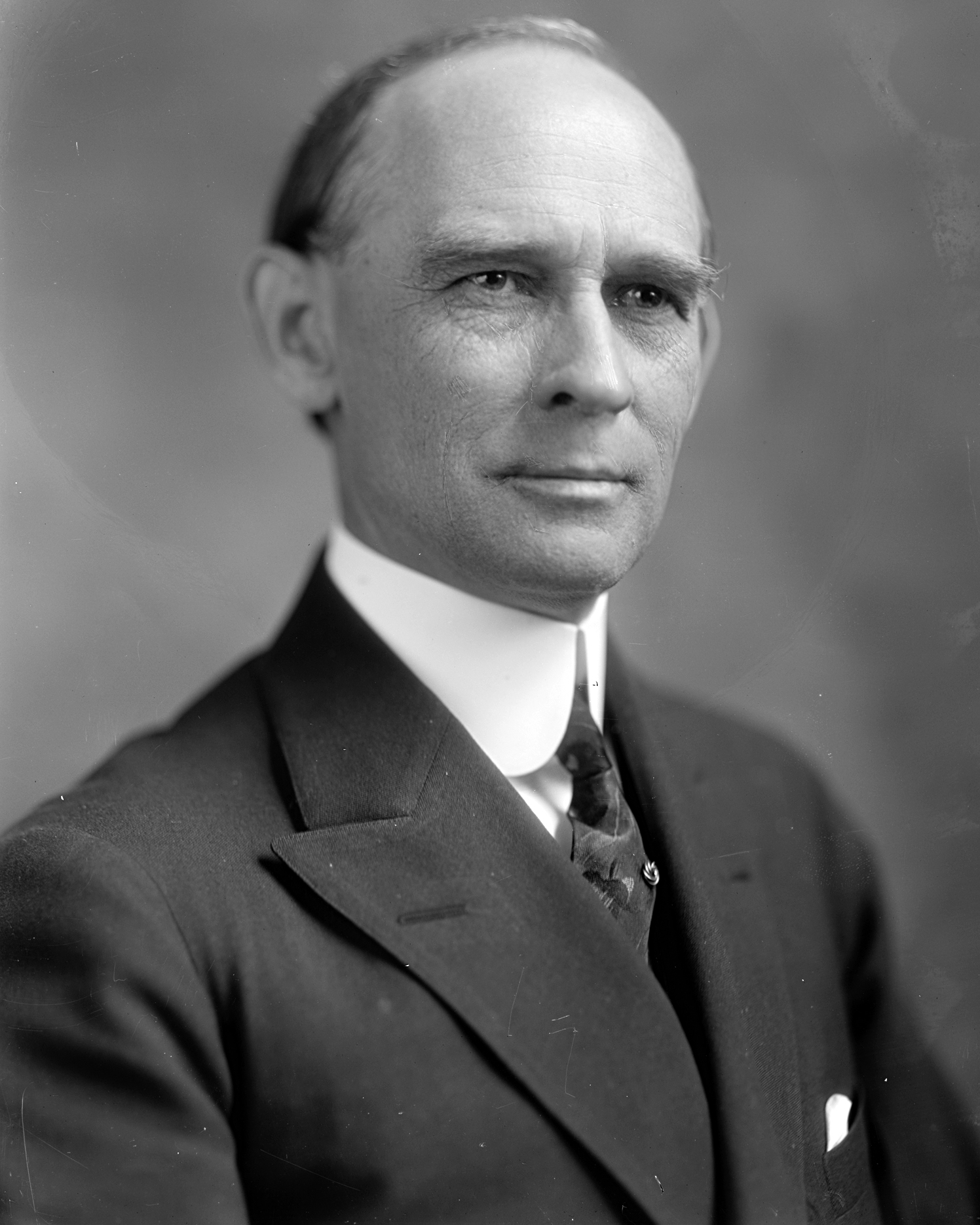
Historical · U.S. House · Texas · District 8
Joe Eagle
Former U.S. Representative · Texas District 8 · 1913–1937 · Democratic
Joe Eagle represented Texas's District 8 in the United States House of Representatives (1913–1937) for the Democratic party. The page below collects sourced biographical facts, term history, committee roles, and provenance for Eagle.
Bioguide ID: E000003
Key facts
- Full name
- Joe Eagle
- State
- Texas
- District
- District 8
- Party
- Democratic
- House service
- 1913–1937
- First House term
- 1913
- Status
- Left office
- Current term ends
- —
- Born
- 1870
- Bioguide ID
- E000003
- Committee assignments
- —
- Dataset version
- 1.20260605
Biographical narrative
837 words · sourced from the Wikipedia REST extract
Joe Eagle was a prominent U.S. Representative from Texas, serving as a member of the Democratic Party. His political career spanned several decades, during which he represented Texas's 8th congressional district. Eagle's tenure in the House of Representatives began in 1913 and continued until 1937, marking him as a significant figure in Texas politics during the early 20th century. His contributions to legislative processes and local governance were shaped by his background in education and law, which informed his approach to public service.
Early life and career
Joe Eagle was born on January 23, 1870, in Tompkinsville, Kentucky. He completed his education at the local high school, graduating in 1883. Following his high school education, he obtained a teacher's certificate in 1884, which marked the beginning of his career in education. In 1887, he graduated from Burritt College in Spencer, Tennessee, further enhancing his qualifications in the field of education.
Eagle relocated to Texas shortly after his graduation, where he began his professional journey as a teacher. From 1887 to 1893, he taught in various capacities, and during the years 1889 to 1891, he served as the superintendent of the city schools in Vernon, Texas. This role allowed him to gain valuable experience in educational administration and community leadership.
In pursuit of further professional development, Eagle studied law and was admitted to the bar in 1893. He began practicing law in Wichita Falls, Texas, where he quickly established himself in the legal community. His early career in law included a position as city attorney for Wichita Falls in 1894 and 1895, which provided him with insights into municipal governance and legal affairs.
In 1895, Eagle moved to Houston, Texas, where he continued his legal practice. His experiences in education and law laid the groundwork for his later political career, as he developed a deep understanding of the challenges and opportunities facing his community.
House tenure
Joe Eagle's political career in the U.S. House of Representatives began when he was elected as a Democrat to the Sixty-third Congress, which convened on March 4, 1913. He successfully secured re-election for three consecutive terms, serving until March 3, 1921. After his initial tenure, Eagle did not seek renomination in 1920, temporarily stepping back from national politics.
However, Eagle returned to Congress during a period of significant change in American politics. He was elected on January 28, 1933, to fill vacancies in both the Seventy-second and Seventy-third Congresses, which arose due to the death of Daniel E. Garrett, who had been re-elected in 1932. Eagle's return to the House was marked by a commitment to address the pressing issues of the Great Depression, a time when many Americans faced economic hardship.
Eagle was subsequently re-elected to the Seventy-fourth Congress, serving from January 28, 1933, until January 3, 1937. Throughout his congressional tenure, he participated in various legislative discussions and decisions that shaped the direction of the nation during a tumultuous era. After completing his final term, he chose not to seek renomination in 1936, although he did pursue the Democratic nomination for the United States Senate, which was ultimately unsuccessful.
Following his departure from Congress, Eagle returned to his legal practice in Houston, Texas. His experience in the House of Representatives and his legal background continued to influence his professional endeavors and community involvement.
Legislative focus and committees
During his time in the U.S. House of Representatives, Joe Eagle was involved in a range of legislative issues that reflected the concerns of his constituents and the broader national context. While specific details regarding the bills he sponsored or the committees on which he served are not extensively documented, it is known that his legislative focus was informed by the challenges of the early 20th century, particularly during the Great Depression.
Eagle's background in education likely influenced his perspectives on issues related to public schooling and educational reform. His experience as a city attorney and legal practitioner may have also shaped his approach to legislation concerning local governance, infrastructure, and community development.
As a member of the Democratic Party during a time of significant political realignment, Eagle's legislative activities would have intersected with the New Deal policies introduced by President Franklin D. Roosevelt. These policies aimed to address the economic crisis and provided a framework for federal intervention in various sectors, including labor, agriculture, and social welfare.
Eagle's tenure in Congress coincided with a period of increasing federal involvement in economic and social issues, and his contributions to legislative discussions would have reflected the priorities of his party and the needs of his constituents. His ability to navigate the complexities of national politics while advocating for local interests was a hallmark of his congressional service.
After concluding his time in the House, Eagle continued to reside in Houston, Texas, where he remained active in his legal career until his passing on January 10, 1963. He is interred in Forest Park (Lawndale) Cemetery, leaving behind a legacy shaped by his commitment to public service and community engagement throughout his life.
Notable legislation
Sponsored and co-sponsored legislation for Joe Eagle is pending operator curation. The biographical narrative above carries the same provenance trail until per-bill rows are written.
Sources
- [1]https://en.wikipedia.org/wiki/Joe_H._EagleWikipedia · retrieved 2026-06-05
Notable quotes
Sourced quotes for Joe Eagle are pending operator curation. Narrative-scope provenance remains attached below.
Sources
- [1]https://en.wikipedia.org/wiki/Joe_H._EagleWikipedia · retrieved 2026-06-05
Key positions
Curated policy positions for Joe Eagle are pending operator review. The biographical narrative above carries the same provenance trail until per-topic positions are written.
Sources
- [1]https://en.wikipedia.org/wiki/Joe_H._EagleWikipedia · retrieved 2026-06-05
Terms served
- 1913–1915U.S. House · Term 1 · Democratic
- 1915–1917U.S. House · Term 2 · Democratic
- 1917–1919U.S. House · Term 3 · Democratic
- 1919–1921U.S. House · Term 4 · Democratic
- 1931–1933U.S. House · Term 5 · Democratic
- 1933–1935U.S. House · Term 6 · Democratic
- 1935–1937U.S. House · Term 7 · Democratic
Sources & provenance
Every attributable claim above carries a per-section [N] marker that resolves to the corresponding URL below. Each entry records the upstream provider, the canonical URL, and the timestamp at which the source was retrieved by the ingest pipeline.
Key facts
- https://bioguide.congress.gov/search/bio/E000003bioguide · retrieved 2026-06-05
- https://www.govtrack.us/congress/members/403699govtrack · retrieved 2026-06-05
Biographical narrative
- https://en.wikipedia.org/wiki/Joe_H._Eaglewikipedia · retrieved 2026-06-05
Find your representative
Every U.S. state elects representatives by district. Browse Texas’s delegation, the full former-representative roster, or explore the role and term length.
Related on The Candidate
- Preceded by John MooreEarlier holder of the Texas District 8 House seat · Democratic.Open
- Succeeded by Albert ThomasLater holder of the Texas District 8 House seat · Democratic.Open
- Charles StewartFormer U.S. Representative · Texas District 1 · DemocraticOpen
- David KaufmanFormer U.S. Representative · Texas District 1 · DemocraticOpen
- Eugene BlackFormer U.S. Representative · Texas District 1 · DemocraticOpen
- George SmythFormer U.S. Representative · Texas District 1 · DemocraticOpen