
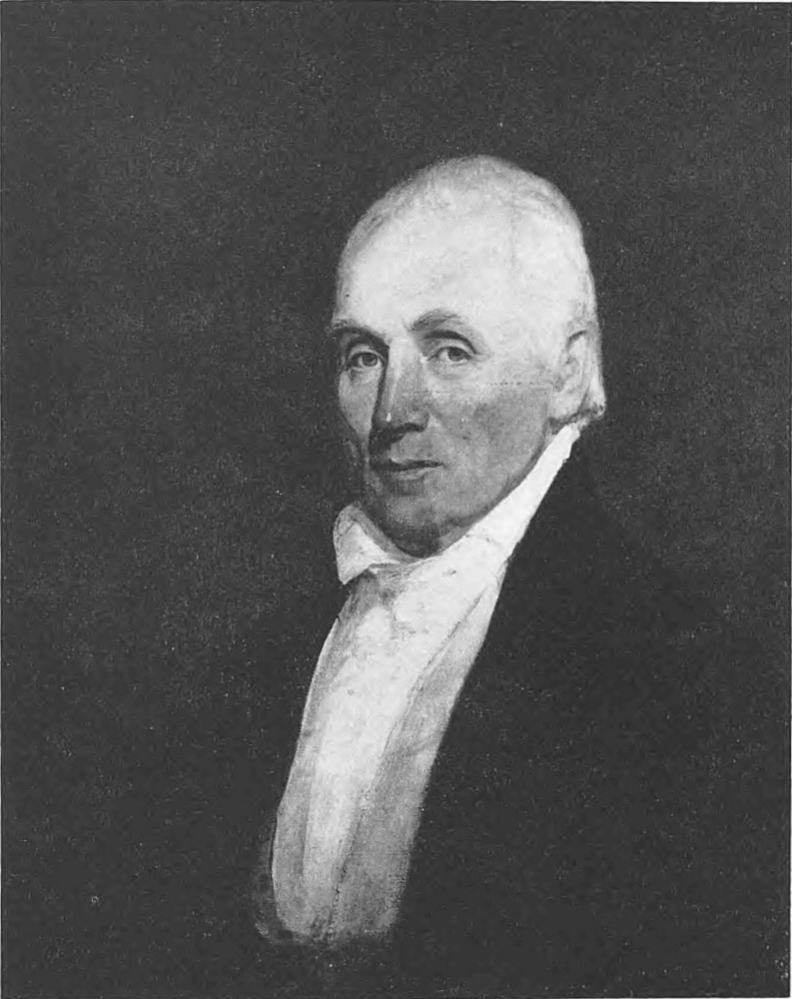
Historical · U.S. House · Virginia · District 4
Francis Preston
Former U.S. Representative · Virginia District 4 · 1793–1797 · Republican
Francis Preston represented Virginia's District 4 in the United States House of Representatives (1793–1797) for the Republican party. The page below collects sourced biographical facts, term history, committee roles, and provenance for Preston.
Bioguide ID: P000514
Key facts
- Full name
- Francis Preston
- State
- Virginia
- District
- District 4
- Party
- Republican
- House service
- 1793–1797
- First House term
- 1793
- Status
- Left office
- Current term ends
- —
- Born
- 1765
- Bioguide ID
- P000514
- Committee assignments
- —
- Dataset version
- 1.20260606
Biographical narrative
820 words · sourced from the Wikipedia REST extract
Francis Preston was an American lawyer and politician who served as a U.S. Representative for Virginia's 4th congressional district from 1793 to 1797. A member of the Republican Party, he played a notable role in the early legislative framework of the United States. Born in 1765, Preston's political career was marked by his contributions to both state and national governance during a formative period in American history.
Early life and career
Francis Preston was born on August 2, 1765, in Virginia. He was the son of Colonel William Preston, a prominent figure in Virginia's early history. Growing up in a politically active family, Preston was likely influenced by his father's involvement in public service and military affairs. This familial background may have laid the groundwork for his own pursuits in law and politics.
Preston pursued a legal education and became a practicing lawyer, establishing his career in Abingdon, Virginia. His legal expertise would later serve him well in his political endeavors. In addition to his legal practice, he was active in local governance and served in both houses of the Virginia state legislature. This experience provided him with a solid foundation in legislative processes and public policy, which would be invaluable during his tenure in the U.S. Congress.
In the 1790s, Preston was involved in various civic activities and community projects, including the construction of significant buildings in the region. One notable project was the Martha Washington Inn in Abingdon, which he had built, reflecting his commitment to the development of his community. In 1795, while residing in Saltville, he also constructed the Preston House, further demonstrating his investment in local infrastructure and society.
House tenure
Francis Preston's congressional career began when he was elected to the U.S. House of Representatives in 1793. He won his initial election by defeating Abram Trigg, marking the start of his political journey at the national level. His election came during a time when the United States was still establishing its governmental framework and addressing the challenges of a young nation.
Preston served two terms in the House, with his first term commencing in 1793 and concluding in 1795. His re-election in 1795 was notable as he ran unopposed, indicating a strong local support base and recognition of his contributions to his constituents. Throughout his time in office, he participated in the legislative discussions and decisions that would shape the early years of the Republic.
His tenure in the House ended on March 3, 1797, after which he returned to Virginia. While specific details about his legislative actions during his time in Congress are not extensively documented, his role as a representative during this formative period was significant. The early Congress was tasked with addressing critical issues such as the establishment of federal authority, the creation of a national bank, and the formulation of foreign policy, all of which would have been central to the discussions in which Preston participated.
Legislative focus and committees
During his time in the U.S. House of Representatives, Francis Preston's legislative focus aligned with the priorities of the early Republican Party, which emphasized agrarian interests, states' rights, and a limited federal government. As a representative from Virginia, a state with a strong agricultural economy, he likely advocated for policies that supported farmers and local economies.
While specific committee assignments or legislative initiatives led by Preston are not detailed in available records, it is important to recognize that members of Congress during this period were often involved in a range of issues, including land policies, trade regulations, and the establishment of the federal judiciary. Given his legal background, it is plausible that he contributed to discussions surrounding legal frameworks and the rights of states versus the federal government.
Preston's background in law and his experience in the Virginia legislature would have equipped him with the skills necessary to navigate the complexities of early American governance. His involvement in the House during its early years placed him at the intersection of significant historical developments, including the drafting of foundational legislation and the establishment of precedents for future governance.
After concluding his congressional service, Preston continued to be involved in his community and family life. He was the father of several children, including Isaac Trimble Preston, William Campbell Preston, and John S. Preston, and he was related to other notable figures in Virginia's political landscape. His daughter, Sarah (Sally) Buchanan Preston, married John B. Floyd, who later became the Governor of Virginia, further intertwining the Preston family with the state's political history.
Francis Preston passed away on May 26, 1835. His legacy as a politician and community leader in Virginia remains a part of the early narrative of American governance. His contributions to the U.S. House of Representatives during its formative years reflect the challenges and aspirations of a nation in its infancy, and his involvement in local development projects illustrates his commitment to the welfare of his community.
Notable legislation
Sponsored and co-sponsored legislation for Francis Preston is pending operator curation. The biographical narrative above carries the same provenance trail until per-bill rows are written.
Sources
- [1]https://en.wikipedia.org/wiki/Francis_PrestonWikipedia · retrieved 2026-06-06
Notable quotes
Sourced quotes for Francis Preston are pending operator curation. Narrative-scope provenance remains attached below.
Sources
- [1]https://en.wikipedia.org/wiki/Francis_PrestonWikipedia · retrieved 2026-06-06
Key positions
Curated policy positions for Francis Preston are pending operator review. The biographical narrative above carries the same provenance trail until per-topic positions are written.
Sources
- [1]https://en.wikipedia.org/wiki/Francis_PrestonWikipedia · retrieved 2026-06-06
Terms served
- 1793–1795U.S. House · Term 1 · Republican
- 1795–1797U.S. House · Term 2 · Republican
Sources & provenance
Every attributable claim above carries a per-section [N] marker that resolves to the corresponding URL below. Each entry records the upstream provider, the canonical URL, and the timestamp at which the source was retrieved by the ingest pipeline.
Key facts
- https://bioguide.congress.gov/search/bio/P000514bioguide · retrieved 2026-06-06
- https://www.govtrack.us/congress/members/408899govtrack · retrieved 2026-06-06
Biographical narrative
- https://en.wikipedia.org/wiki/Francis_Prestonwikipedia · retrieved 2026-06-06
Find your representative
Every U.S. state elects representatives by district. Browse Virginia’s delegation, the full former-representative roster, or explore the role and term length.
Related on The Candidate
- Succeeded by Jacob SwoopeLater holder of the Virginia District 4 House seat · Federalist.Open
- Alexander WhiteFormer U.S. Representative · Virginia District 1Open
- Archibald AtkinsonFormer U.S. Representative · Virginia District 1 · DemocraticOpen
- Beverly DouglasFormer U.S. Representative · Virginia District 1 · DemocraticOpen
- Daniel MorganFormer U.S. Representative · Virginia District 1 · FederalistOpen
- Republican PartyFederal candidates and office holders on the Republican line.Open