
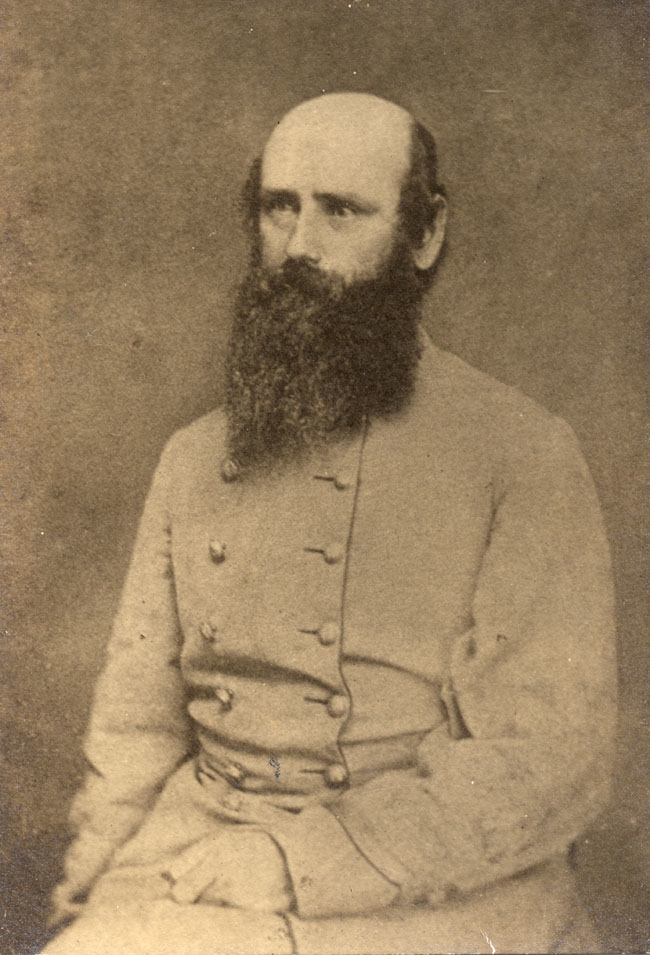
Historical · U.S. House · Virginia · District 5
Richard Duke
Former U.S. Representative · Virginia District 5 · 1869–1873 · Democratic
Richard Duke represented Virginia's District 5 in the United States House of Representatives (1869–1873) for the Democratic party. The page below collects sourced biographical facts, term history, committee roles, and provenance for Duke.
Bioguide ID: D000521
Key facts
- Full name
- Richard Duke
- State
- Virginia
- District
- District 5
- Party
- Democratic
- House service
- 1869–1873
- First House term
- 1869
- Status
- Left office
- Current term ends
- —
- Born
- 1822
- Bioguide ID
- D000521
- Committee assignments
- —
- Dataset version
- 1.20260606
Biographical narrative
929 words · sourced from the Wikipedia REST extract
Richard Duke was a U.S. Representative from Virginia, serving in the 5th congressional district as a member of the Democratic Party. His tenure in the House of Representatives spanned from 1869 until 1873, during which he contributed to the legislative process in the post-Civil War era. Duke's background as a lawyer and his involvement in local governance, along with his military service during the Civil War, shaped his political career and legislative priorities.
Early life and career
Richard Duke was born on June 6, 1822, in the vicinity of Charlottesville, Virginia. He was the son of Elizabeth Morris Kendrick and Francis Edward Duke, a planter. Following the death of his father in 1836, Duke received a private education that was typical for someone of his social standing. He later pursued higher education in Lexington, Virginia, and graduated from the Virginia Military Institute in 1844. Duke continued his studies in law at the University of Virginia, where he earned his degree in 1850.
After being admitted to the Virginia bar later that same year, Duke began his legal career in private practice. His involvement in local governance began in 1854 when he was elected as one of the four aldermen for Charlottesville, a position he held alongside other notable local figures. In 1858, he was elected as the Commonwealth's Attorney for Albemarle County, a role he maintained even during the tumultuous years of the American Civil War, serving until 1869.
Duke's military involvement began in response to the Civil War. In November 1859, he organized the Albemarle Rifles in Charlottesville following the failed raid on Harper's Ferry. When Virginia seceded from the Union, Duke enlisted in the Confederate Army on May 8, 1861. He served as a captain in Company B of the 19th Virginia Infantry and participated in the First Battle of Manassas, where his company received commendations despite suffering few casualties.
Duke's military career saw several transitions. He was later elected as Colonel of the 46th Virginia Infantry, where he served under General Henry A. Wise. His regiment participated in various engagements, including the Seven Days Battles, but faced challenges such as disease and troop reorganizations. Duke resigned his commission in March 1864 after conflicts with his commanding officer. He later accepted a commission as Lieutenant Colonel and led the 1st Virginia Reserves Battalion, defending Richmond during the final year of the war.
After the war, Duke returned to Charlottesville, where he resumed his law practice and farming. He also became involved in local efforts to maintain white supremacy in the post-war South. Following Virginia's readmission to the Union and the adoption of a new state constitution, Duke was elected to the U.S. House of Representatives in a special election in 1869 to fill the vacancy left by the death of Congressman Robert Ridgway.
House tenure
Duke's congressional career began with his election to the House of Representatives in 1869. He served two terms, with his last term concluding on March 3, 1873. During his time in office, he was part of a Congress that was grappling with the challenges of Reconstruction and the reintegration of Southern states into the Union. His background as a former Confederate officer and his legal experience likely influenced his perspectives on the issues facing the nation during this period.
While specific details regarding the legislation he supported or opposed are not provided, Duke's role as a congressman would have involved participation in debates and votes on various matters, including those related to civil rights, economic recovery, and the rebuilding of the South. His tenure coincided with significant political and social changes in the United States, particularly in the context of post-war reconciliation and the establishment of new policies to govern the Southern states.
Duke's congressional career ended in 1873 when he was succeeded by fellow Confederate veteran Alexander Davis, who ran as a Democrat. Following his departure from Congress, Duke continued to be active in public service, returning to local politics.
Legislative focus and committees
While specific details about Duke's committee assignments and legislative focus during his time in the House are not available, it can be inferred that his background as a lawyer and his experience as a Commonwealth's Attorney would have informed his legislative priorities. Given the context of his service during the Reconstruction era, it is likely that he engaged with issues pertinent to the reintegration of Southern states, civil rights, and the legal frameworks necessary for rebuilding the South.
Duke's political alignment with the Democratic Party, particularly in the post-Civil War period, suggests that he may have supported policies that reflected the interests of his constituents in Virginia, which included a focus on maintaining traditional social structures and addressing the challenges of a changing political landscape. His military service and status as a former Confederate officer may have also influenced his legislative approach and interactions with fellow members of Congress.
After leaving Congress, Duke returned to Virginia, where he continued to engage in local politics and was elected to the Virginia House of Delegates in the late 1870s. His later years were marked by a focus on documenting his experiences and reflections on life in Charlottesville and Albemarle County, which he compiled for his family.
Richard Duke passed away on July 2, 1898, leaving behind a legacy shaped by his legal career, military service, and political involvement during a transformative period in American history. His contributions to both local and national governance reflect the complexities of the Reconstruction era and the ongoing challenges faced by the United States in the aftermath of the Civil War.
Notable legislation
Sponsored and co-sponsored legislation for Richard Duke is pending operator curation. The biographical narrative above carries the same provenance trail until per-bill rows are written.
Sources
- [1]https://en.wikipedia.org/wiki/Richard_T._W._DukeWikipedia · retrieved 2026-06-06
Notable quotes
Sourced quotes for Richard Duke are pending operator curation. Narrative-scope provenance remains attached below.
Sources
- [1]https://en.wikipedia.org/wiki/Richard_T._W._DukeWikipedia · retrieved 2026-06-06
Key positions
Curated policy positions for Richard Duke are pending operator review. The biographical narrative above carries the same provenance trail until per-topic positions are written.
Sources
- [1]https://en.wikipedia.org/wiki/Richard_T._W._DukeWikipedia · retrieved 2026-06-06
Terms served
- 1869–1871U.S. House · Term 1 · Conservative
- 1871–1873U.S. House · Term 2 · Democratic
Sources & provenance
Every attributable claim above carries a per-section [N] marker that resolves to the corresponding URL below. Each entry records the upstream provider, the canonical URL, and the timestamp at which the source was retrieved by the ingest pipeline.
Key facts
- https://bioguide.congress.gov/search/bio/D000521bioguide · retrieved 2026-06-06
- https://www.govtrack.us/congress/members/403631govtrack · retrieved 2026-06-06
Biographical narrative
- https://en.wikipedia.org/wiki/Richard_T._W._Dukewikipedia · retrieved 2026-06-06
Find your representative
Every U.S. state elects representatives by district. Browse Virginia’s delegation, the full former-representative roster, or explore the role and term length.
Related on The Candidate
- Preceded by Thomas BocockEarlier holder of the Virginia District 5 House seat · Democratic.Open
- Succeeded by Alexander DavisLater holder of the Virginia District 5 House seat · Democratic.Open
- Alexander WhiteFormer U.S. Representative · Virginia District 1Open
- Archibald AtkinsonFormer U.S. Representative · Virginia District 1 · DemocraticOpen
- Beverly DouglasFormer U.S. Representative · Virginia District 1 · DemocraticOpen
- Daniel MorganFormer U.S. Representative · Virginia District 1 · FederalistOpen