
Historical · U.S. House · Virginia · District 9
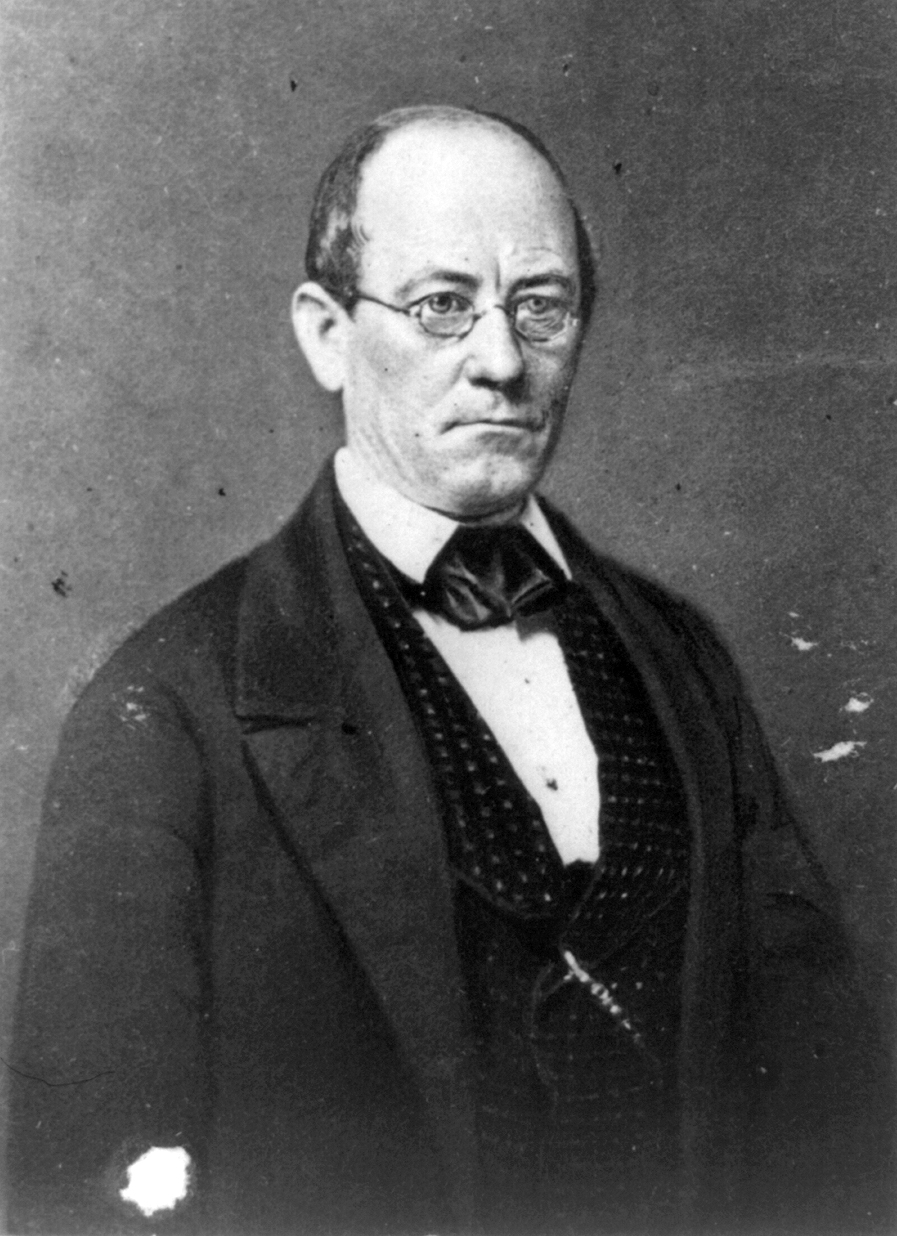
John Letcher
Former U.S. Representative · Virginia District 9 · 1851–1859 · Democratic
John Letcher represented Virginia's District 9 in the United States House of Representatives (1851–1859) for the Democratic party. The page below collects sourced biographical facts, term history, committee roles, and provenance for Letcher.
Bioguide ID: L000256
Key facts
- Full name
- John Letcher
- State
- Virginia
- District
- District 9
- Party
- Democratic
- House service
- 1851–1859
- First House term
- 1851
- Status
- Left office
- Current term ends
- —
- Born
- 1813
- Bioguide ID
- L000256
- Committee assignments
- —
- Dataset version
- 1.20260606
Biographical narrative
892 words · sourced from the Wikipedia REST extract
John Letcher was an American lawyer, journalist, and politician who served as a U.S. Representative from Virginia's 9th congressional district and later as the 34th Governor of Virginia during the tumultuous period of the American Civil War. His political career spanned several decades, during which he was involved in significant events that shaped Virginia's history. Letcher was known for his complex views on slavery and his role in the secession of Virginia from the Union. Following the Civil War, he continued to engage in public service and legal practice until his death in 1884.
Early life and career
John Letcher was born on March 29, 1813, in Lexington, Virginia, located in Rockbridge County. His early education took place in private rural schools, which provided him with a foundational understanding of various subjects. Letcher furthered his education at Randolph-Macon College, which was originally situated in Boydton, Virginia, before relocating to Ashland. He graduated from Washington Academy in Lexington in 1833, which marked a significant milestone in his academic journey.
After completing his education, Letcher pursued a career in law. He studied diligently and was admitted to the Virginia State Bar in 1839, subsequently establishing a legal practice in Lexington. His legal career coincided with his growing interest in journalism and politics. From 1840 to 1850, he served as the editor of the Valley Star, a newspaper that played a role in shaping public opinion in the region. During this period, Letcher became actively involved in the political landscape, participating in the presidential campaigns of 1840, 1844, and 1848. His political engagement included serving as a Democratic elector in the 1848 election.
Letcher's political views evolved over time, particularly regarding the contentious issue of slavery. Although he was not a staunch abolitionist, he signed the Ruffner Pamphlet in 1847, which advocated for the abolition of slavery in the western part of Virginia, specifically west of the Blue Ridge Mountains. However, he later distanced himself from this antislavery stance. His political involvement also included serving as a delegate to the Virginia Constitutional Convention in 1850, where he contributed to discussions on the state's governance and legal framework.
House tenure
John Letcher was elected as a Democratic candidate to the United States House of Representatives, where he began his first term in 1851. Over the course of his political career, he served a total of four terms in the House, concluding his service on March 3, 1859. During his time in Congress, Letcher earned the nickname "Honest John," which reflected his reputation for opposing government extravagance and advocating for fiscal responsibility.
His tenure in the House coincided with a period of significant national tension surrounding issues such as slavery, states' rights, and sectionalism. Letcher's political actions and decisions during this time were influenced by the growing divide between the North and South, which would ultimately culminate in the Civil War. His legislative work and public statements often reflected the concerns and interests of his constituents in Virginia, particularly those related to the economic and social implications of slavery.
Letcher's congressional career was marked by his engagement in various legislative matters, although specific details about the bills he sponsored or voted on are not provided in the available records. His role as a representative was significant in shaping the political landscape of Virginia and the broader national context leading up to the Civil War.
Legislative focus and committees
Throughout his time in the House of Representatives, John Letcher focused on issues pertinent to his constituents and the state of Virginia. His reputation as "Honest John" indicated a commitment to transparency and accountability in government, which resonated with voters who were concerned about the fiscal policies of the federal government. While specific committee assignments during his congressional tenure are not detailed in the available information, it is common for representatives to serve on committees that align with their interests and the needs of their districts.
Letcher's political career took a significant turn when he was elected Governor of Virginia in 1859, shortly before the outbreak of the Civil War. His governorship was characterized by his complex stance on slavery and secession. Initially, Letcher discouraged secession and sought to find a peaceful resolution to the growing tensions between the North and South. However, as the situation escalated, he ultimately supported Virginia's decision to secede from the Union in April 1861.
During the Civil War, Letcher played a crucial role in organizing the state's military response and appointed notable figures, such as Robert E. Lee, to leadership positions within Virginia's military forces. His actions during this period were pivotal in shaping Virginia's role in the Confederacy. Following the war, Letcher returned to his legal practice and continued to engage in public service, including serving in the Virginia General Assembly and on the Board of Visitors of the Virginia Military Institute.
John Letcher's legacy is marked by his involvement in significant historical events and his contributions to the political landscape of Virginia. His life and career reflect the complexities of American politics during a time of profound change and conflict. He passed away on January 26, 1884, at the age of 70, and was interred in the Presbyterian Cemetery, now known as Oak Grove Cemetery, in Lexington, Virginia. His family continued to be involved in public service, with several of his descendants pursuing careers in law and education.
Notable legislation
Sponsored and co-sponsored legislation for John Letcher is pending operator curation. The biographical narrative above carries the same provenance trail until per-bill rows are written.
Sources
- [1]https://en.wikipedia.org/wiki/John_LetcherWikipedia · retrieved 2026-06-06
Notable quotes
Sourced quotes for John Letcher are pending operator curation. Narrative-scope provenance remains attached below.
Sources
- [1]https://en.wikipedia.org/wiki/John_LetcherWikipedia · retrieved 2026-06-06
Key positions
Curated policy positions for John Letcher are pending operator review. The biographical narrative above carries the same provenance trail until per-topic positions are written.
Sources
- [1]https://en.wikipedia.org/wiki/John_LetcherWikipedia · retrieved 2026-06-06
Terms served
- 1851–1853U.S. House · Term 1 · Democratic
- 1853–1855U.S. House · Term 2 · Democratic
- 1855–1857U.S. House · Term 3 · Democratic
- 1857–1859U.S. House · Term 4 · Democratic
Sources & provenance
Every attributable claim above carries a per-section [N] marker that resolves to the corresponding URL below. Each entry records the upstream provider, the canonical URL, and the timestamp at which the source was retrieved by the ingest pipeline.
Key facts
- https://bioguide.congress.gov/search/bio/L000256bioguide · retrieved 2026-06-06
- https://www.govtrack.us/congress/members/406759govtrack · retrieved 2026-06-06
Biographical narrative
- https://en.wikipedia.org/wiki/John_Letcherwikipedia · retrieved 2026-06-06
Find your representative
Every U.S. state elects representatives by district. Browse Virginia’s delegation, the full former-representative roster, or explore the role and term length.
Related on The Candidate
- Preceded by Jeremiah MortonEarlier holder of the Virginia District 9 House seat · Whig.Open
- Succeeded by William TerryLater holder of the Virginia District 9 House seat · Democratic.Open
- Alexander WhiteFormer U.S. Representative · Virginia District 1Open
- Archibald AtkinsonFormer U.S. Representative · Virginia District 1 · DemocraticOpen
- Beverly DouglasFormer U.S. Representative · Virginia District 1 · DemocraticOpen
- Daniel MorganFormer U.S. Representative · Virginia District 1 · FederalistOpen