
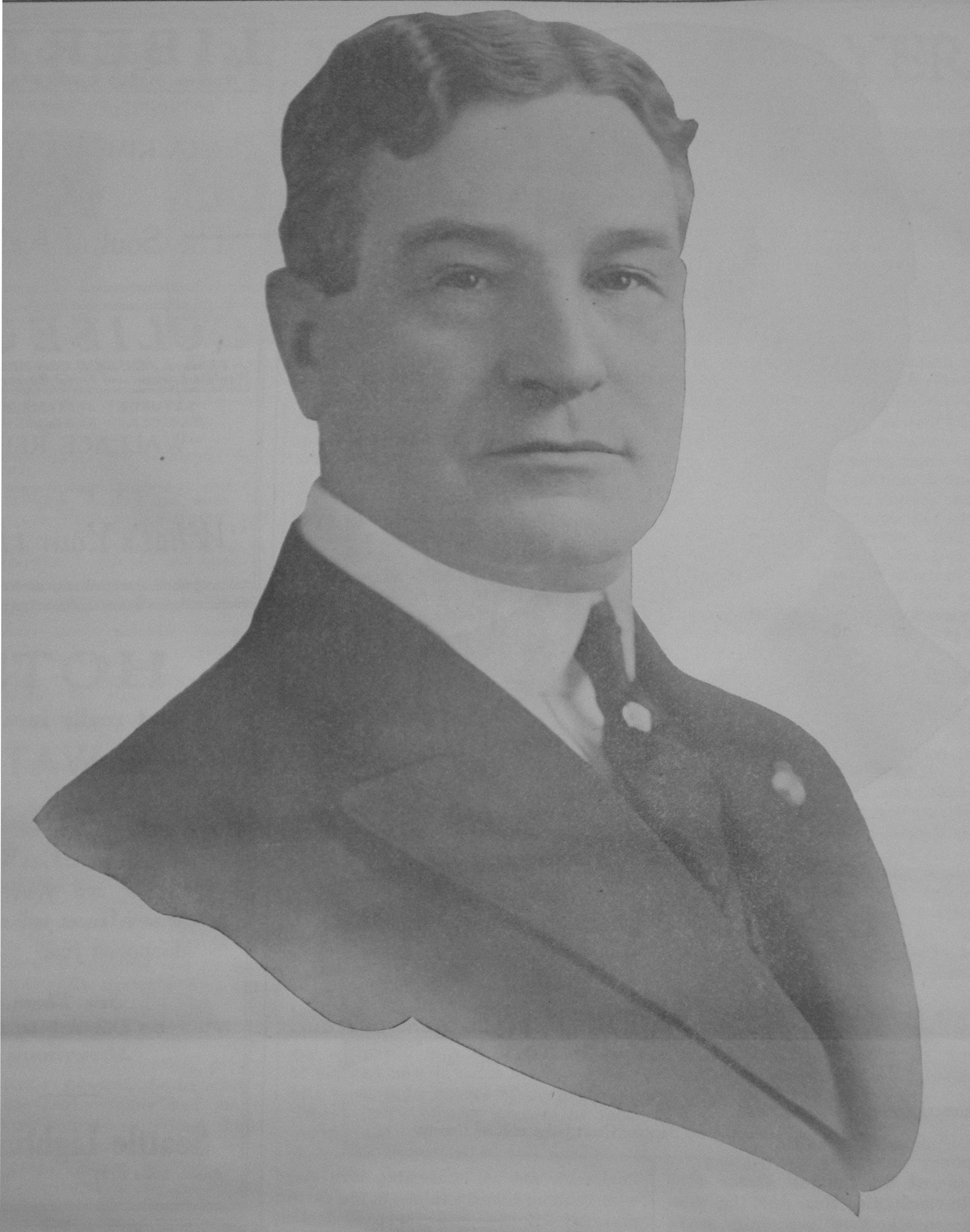
Historical · U.S. House · Washington · District 1
John Miller
Former U.S. Representative · Washington District 1 · 1917–1931 · Republican
John Miller represented Washington's District 1 in the United States House of Representatives (1917–1931) for the Republican party. The page below collects sourced biographical facts, term history, committee roles, and provenance for Miller.
Bioguide ID: M000739
Key facts
- Full name
- John Miller
- State
- Washington
- District
- District 1
- Party
- Republican
- House service
- 1917–1931
- First House term
- 1917
- Status
- Left office
- Current term ends
- —
- Born
- 1862
- Bioguide ID
- M000739
- Committee assignments
- —
- Dataset version
- 1.20260606
Biographical narrative
846 words · sourced from the Wikipedia REST extract
John Franklin Miller was a prominent American politician who served as a U.S. Representative for Washington's First Congressional District from 1917 until 1931. A member of the Republican Party, Miller's political career spanned over a decade during which he was elected to seven consecutive terms in the House of Representatives. Prior to his congressional service, he held the position of mayor of Seattle, contributing to his reputation as a significant figure in Washington state politics during the early 20th century.
Early life and career
John Franklin Miller was born on June 9, 1862. He was named after his uncle, who was also named John Franklin Miller and had served as a senator from California. This familial connection to politics may have influenced Miller's own career path. Details about his early life, including his education and formative experiences, are less documented, but it is clear that he developed an interest in public service that would shape his future endeavors.
Before entering the U.S. House of Representatives, Miller gained political experience as the mayor of Seattle. He held this office from 1908 to 1910, during which time he would have been involved in various local governance issues and initiatives that affected the city. His tenure as mayor likely provided him with valuable insights into political leadership and public administration, which would later inform his work at the federal level.
Miller's transition from local to national politics occurred when he decided to run for the U.S. House of Representatives in 1916. He sought to fill the seat vacated by fellow Republican William Humphrey, who was pursuing a Senate position. Miller's successful election in 1916 marked the beginning of a long congressional career, reflecting both his political acumen and the support he garnered from constituents in Washington's First Congressional District.
House tenure
Miller's congressional career began in 1917, and he served in the House of Representatives for a total of fourteen years. Throughout this period, he was re-elected six times, demonstrating his ability to maintain electoral support in a changing political landscape. His elections occurred in 1918, 1920, 1922, 1924, 1926, and 1928, indicating a consistent level of confidence from the electorate in his representation.
During his time in Congress, Miller was part of a significant era in American history, which included the aftermath of World War I, the Roaring Twenties, and the onset of the Great Depression. These events shaped the legislative agenda and the priorities of lawmakers, including Miller. His tenure in the House ended on March 3, 1931, when he was defeated in the Republican primary by Ralph Horr, who subsequently won the general election. This defeat marked the conclusion of Miller's time in federal office, but his impact on Washington politics continued to be felt.
Miller's long service in the House is indicative of his political resilience and ability to navigate the complexities of congressional politics. His repeated electoral victories suggest that he was able to connect with his constituents and address their concerns effectively. The political environment of the time, characterized by shifting party dynamics and emerging social issues, would have posed challenges that Miller had to address throughout his career.
Legislative focus and committees
Throughout his time in Congress, John Franklin Miller's legislative focus and committee assignments reflected the priorities of his constituents and the broader political climate. While specific details regarding the bills he sponsored or the committees he served on are not provided, it can be inferred that as a Republican representative during a time of significant national change, his legislative efforts would have aligned with the party's platform and the interests of his district.
Miller's political stance included support for policies that were reflective of the prevailing attitudes of his time. He has been noted for advocating positions that aligned with the racial and social views of the era, including controversial perspectives on immigration and racial purity. His comments in Congress regarding racial issues indicate a commitment to policies that many today would consider discriminatory. This aspect of his legislative focus highlights the complexities and challenges of political leadership during a time when social attitudes were undergoing significant transformation.
The context of Miller's legislative work must be understood against the backdrop of the early 20th century, a period marked by debates over immigration, civil rights, and social justice. As a member of the House, he would have been involved in discussions and decisions that shaped the future of these critical issues. His alignment with certain racial policies reflects a broader societal context that influenced many politicians of his era.
In summary, John Franklin Miller's career as a U.S. Representative from Washington's First Congressional District spanned fourteen years, during which he was elected to seven terms. His earlier experience as the mayor of Seattle contributed to his political foundation, and his tenure in Congress was marked by significant national events and complex social issues. While his legislative focus included controversial views on race and immigration, his long service in the House underscores his role as a notable figure in Washington state politics during a transformative period in American history.
Notable legislation
Sponsored and co-sponsored legislation for John Miller is pending operator curation. The biographical narrative above carries the same provenance trail until per-bill rows are written.
Sources
- [1]https://en.wikipedia.org/wiki/John_Franklin_Miller_(Washington_politician)Wikipedia · retrieved 2026-06-06
Notable quotes
Sourced quotes for John Miller are pending operator curation. Narrative-scope provenance remains attached below.
Sources
- [1]https://en.wikipedia.org/wiki/John_Franklin_Miller_(Washington_politician)Wikipedia · retrieved 2026-06-06
Key positions
Curated policy positions for John Miller are pending operator review. The biographical narrative above carries the same provenance trail until per-topic positions are written.
Sources
- [1]https://en.wikipedia.org/wiki/John_Franklin_Miller_(Washington_politician)Wikipedia · retrieved 2026-06-06
Terms served
- 1917–1919U.S. House · Term 1 · Republican
- 1919–1921U.S. House · Term 2 · Republican
- 1921–1923U.S. House · Term 3 · Republican
- 1923–1925U.S. House · Term 4 · Republican
- 1925–1927U.S. House · Term 5 · Republican
- 1927–1929U.S. House · Term 6 · Republican
- 1929–1931U.S. House · Term 7 · Republican
Sources & provenance
Every attributable claim above carries a per-section [N] marker that resolves to the corresponding URL below. Each entry records the upstream provider, the canonical URL, and the timestamp at which the source was retrieved by the ingest pipeline.
Key facts
- https://bioguide.congress.gov/search/bio/M000739bioguide · retrieved 2026-06-06
- https://www.govtrack.us/congress/members/407718govtrack · retrieved 2026-06-06
Biographical narrative
- https://en.wikipedia.org/wiki/John_Franklin_Miller_(Washington_politician)wikipedia · retrieved 2026-06-06
Find your representative
Every U.S. state elects representatives by district. Browse Washington’s delegation, the full former-representative roster, or explore the role and term length.
Related on The Candidate
- Preceded by William HumphreyEarlier holder of the Washington District 1 House seat · Republican.Open
- Succeeded by Ralph HorrLater holder of the Washington District 1 House seat · Republican.Open
- Emerson De LacyFormer U.S. Representative · Washington District 1 · DemocraticOpen
- Homer JonesFormer U.S. Representative · Washington District 1 · RepublicanOpen
- Jay InsleeFormer U.S. Representative · Washington District 1 · DemocraticOpen
- Joel PritchardFormer U.S. Representative · Washington District 1 · RepublicanOpen