
Historical · U.S. House · Wisconsin · District 3
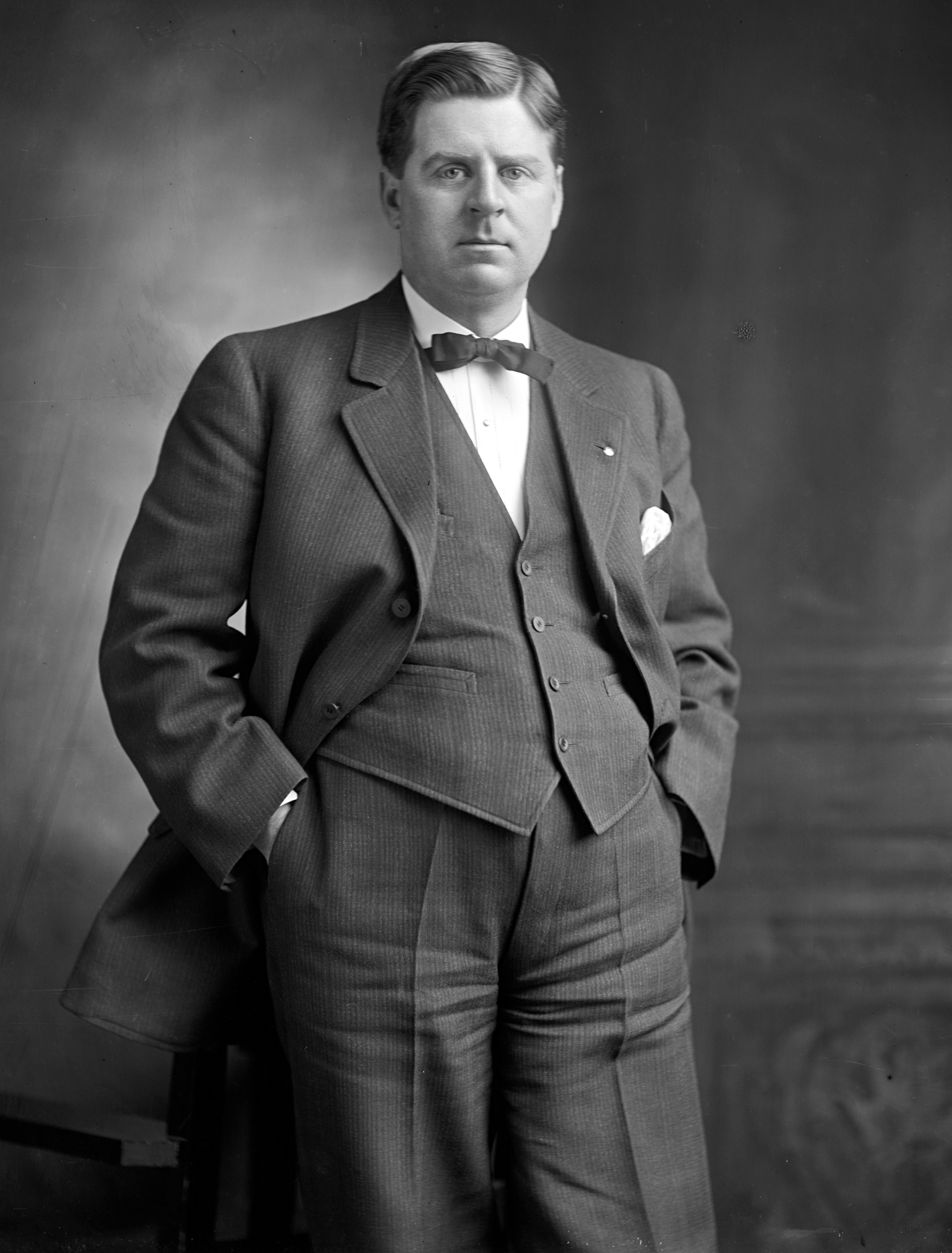
Arthur Kopp
Former U.S. Representative · Wisconsin District 3 · 1909–1913 · Republican
Arthur Kopp represented Wisconsin's District 3 in the United States House of Representatives (1909–1913) for the Republican party. The page below collects sourced biographical facts, term history, committee roles, and provenance for Kopp.
Bioguide ID: K000313
Key facts
- Full name
- Arthur Kopp
- State
- Wisconsin
- District
- District 3
- Party
- Republican
- House service
- 1909–1913
- First House term
- 1909
- Status
- Left office
- Current term ends
- —
- Born
- 1874
- Bioguide ID
- K000313
- Committee assignments
- —
- Dataset version
- 1.20260606
Biographical narrative
928 words · sourced from the Wikipedia REST extract
Arthur Kopp was an American lawyer and politician who served as a U.S. Representative for Wisconsin's 3rd congressional district from 1909 to 1913. A member of the Republican Party, Kopp's political career was marked by his commitment to public service, which included roles as a district attorney and later as a circuit court judge. His legal and political endeavors were rooted in his upbringing in Wisconsin, where he dedicated much of his life to the community and the legal profession.
Early life and career
Arthur William Kopp was born on February 28, 1874, in Bigpatch, Wisconsin. Growing up in Grant County, he received his early education in the local common schools, which laid the foundation for his future academic and professional pursuits. Kopp demonstrated an early commitment to education, graduating from the State Normal School, which is now known as the University of Wisconsin–Platteville, in 1895. Following his graduation, he took on the role of a schoolteacher, a position he held for three years. This experience in education likely influenced his later views on public service and community involvement.
Kopp's legal aspirations led him to the University of Wisconsin–Madison, where he enrolled in the law department. He graduated in 1900 and was admitted to the bar in the same year, marking the beginning of his legal career in Platteville, Grant County. His early legal practice allowed him to establish a reputation within the community, which would later serve him well in his political endeavors.
In addition to his legal practice, Kopp engaged in local governance. He served on the board of aldermen in Platteville from 1903 to 1904, where he gained valuable experience in municipal affairs. During this time, he also held the position of city attorney for the same years. His involvement in local government provided him with insights into the workings of public administration and the needs of his constituents.
Kopp's legal career continued to flourish when he was elected as the district attorney of Grant County, a position he held from 1904 to 1908. This role further solidified his standing in the legal community and showcased his commitment to justice and public service. His tenure as district attorney was characterized by a focus on law enforcement and the administration of justice, which likely contributed to his subsequent political success.
House tenure
Arthur Kopp's political career took a significant turn when he was elected to the U.S. House of Representatives. He served two consecutive terms during the 61st and 62nd Congresses, from March 4, 1909, to March 3, 1913. As a Republican representative for Wisconsin's 3rd congressional district, Kopp was part of a larger political landscape that was experiencing various changes during the early 20th century, including shifts in economic policies and social reforms.
During his time in Congress, Kopp participated in legislative discussions and decisions that were crucial to the development of national policies. While specific details of his legislative initiatives and voting record are not provided, it is known that he did not seek reelection for the 63rd Congress. This decision marked the end of his formal legislative career, allowing him to return to his legal practice, where he continued to contribute to the legal field and serve his community.
Kopp's congressional service coincided with a period of significant transformation in American politics, including the Progressive Era, which sought to address issues such as corruption, social justice, and economic inequality. Although the specifics of Kopp's contributions to these movements are not detailed, his role as a U.S. Representative placed him at the center of these national conversations.
Legislative focus and committees
While specific information regarding the committees on which Arthur Kopp served during his congressional tenure is not available, it can be inferred that, as a member of the Republican Party, he would have aligned with the party's priorities of the time. The early 1900s were characterized by a focus on issues such as economic growth, infrastructure development, and regulatory reforms. Kopp's background as a lawyer and district attorney may have influenced his legislative focus, potentially leading him to engage in discussions related to legal reform, public safety, and community welfare.
After completing his terms in the House of Representatives, Kopp returned to his legal practice, where he continued to influence the legal landscape in Wisconsin. His commitment to public service did not end with his congressional career; he later took on the role of circuit judge for the fifth judicial district of Wisconsin, a position he was elected to in 1942. Kopp served in this capacity until his retirement on January 1, 1955. His experience as a judge further exemplified his dedication to the law and the judicial system, allowing him to contribute to the administration of justice in a different capacity.
Even after his retirement, Kopp remained active in the legal community as a reserve circuit judge, accepting occasional assignments. This continued involvement reflects his enduring commitment to the legal profession and his desire to serve the public. Additionally, he worked as a law consultant, providing guidance and expertise to others in the field.
Arthur Kopp passed away on June 2, 1967, in Platteville, Wisconsin. His contributions to the legal and political spheres of Wisconsin are remembered through his various roles, including his service as a U.S. Representative and later as a circuit judge. He was interred in Greenwood Cemetery, leaving behind a legacy of public service and dedication to the law. Kopp's life illustrates the interconnectedness of legal practice and political service, highlighting the impact that individuals can have on their communities through various forms of civic engagement.
Notable legislation
Sponsored and co-sponsored legislation for Arthur Kopp is pending operator curation. The biographical narrative above carries the same provenance trail until per-bill rows are written.
Sources
- [1]https://en.wikipedia.org/wiki/Arthur_W._KoppWikipedia · retrieved 2026-06-06
Notable quotes
Sourced quotes for Arthur Kopp are pending operator curation. Narrative-scope provenance remains attached below.
Sources
- [1]https://en.wikipedia.org/wiki/Arthur_W._KoppWikipedia · retrieved 2026-06-06
Key positions
Curated policy positions for Arthur Kopp are pending operator review. The biographical narrative above carries the same provenance trail until per-topic positions are written.
Sources
- [1]https://en.wikipedia.org/wiki/Arthur_W._KoppWikipedia · retrieved 2026-06-06
Terms served
- 1909–1911U.S. House · Term 1 · Republican
- 1911–1913U.S. House · Term 2 · Republican
Sources & provenance
Every attributable claim above carries a per-section [N] marker that resolves to the corresponding URL below. Each entry records the upstream provider, the canonical URL, and the timestamp at which the source was retrieved by the ingest pipeline.
Key facts
- https://bioguide.congress.gov/search/bio/K000313bioguide · retrieved 2026-06-06
- https://www.govtrack.us/congress/members/406467govtrack · retrieved 2026-06-06
Biographical narrative
- https://en.wikipedia.org/wiki/Arthur_W._Koppwikipedia · retrieved 2026-06-06
Find your representative
Every U.S. state elects representatives by district. Browse Wisconsin’s delegation, the full former-representative roster, or explore the role and term length.
Related on The Candidate
- Preceded by James MurphyEarlier holder of the Wisconsin District 3 House seat · Democratic.Open
- Succeeded by James MonahanLater holder of the Wisconsin District 3 House seat · Republican.Open
- Charles WilliamsFormer U.S. Representative · Wisconsin District 1 · RepublicanOpen
- Clifford RandallFormer U.S. Representative · Wisconsin District 1 · RepublicanOpen
- Clinton BabbittFormer U.S. Representative · Wisconsin District 1 · DemocraticOpen
- Daniel Wells Jr.Former U.S. Representative · Wisconsin District 1 · DemocraticOpen