
Historical · U.S. House · Wisconsin · District 8
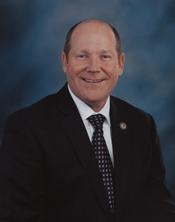
Reid Ribble
Former U.S. Representative · Wisconsin District 8 · 2011–2017 · Republican
Reid Ribble represented Wisconsin's District 8 in the United States House of Representatives (2011–2017) for the Republican party. The page below collects sourced biographical facts, term history, committee roles, and provenance for Ribble.
Bioguide ID: R000587
Key facts
- Full name
- Reid Ribble
- State
- Wisconsin
- District
- District 8
- Party
- Republican
- House service
- 2011–2017
- First House term
- 2011
- Status
- Left office
- Current term ends
- —
- Born
- 1956
- Bioguide ID
- R000587
- Committee assignments
- —
- Dataset version
- 1.20260605
Biographical narrative
1,044 words · sourced from the Wikipedia REST extract
Reid J. Ribble is a former American politician and businessman who served as a U.S. Representative for Wisconsin's 8th congressional district from 2011 until 2017. A member of the Republican Party, Ribble was known for his efforts to promote bipartisan cooperation during his time in Congress. He played a significant role in founding the Problem Solvers Caucus, which aimed to foster collaboration across party lines. Throughout his tenure, he was recognized for his advocacy on various issues, including energy independence, agriculture, and infrastructure.
Early life and career
Reid J. Ribble was born on April 5, 1956, in Neenah, Wisconsin. He is a third-generation resident of the state, growing up in the Fox Cities region, which has a rich history and a strong sense of community. Ribble completed his secondary education at Appleton East High School, where he laid the groundwork for his future endeavors. Following high school, he pursued higher education at Cornerstone University, where he further developed his skills and knowledge.
After completing his education, Ribble entered the family business, the Ribble Group, a commercial and residential roofing company located in Kaukauna, Wisconsin. He worked his way up within the company and eventually became its president. His leadership in the roofing industry extended beyond his family business; he also served as the president of the National Roofing Contractors Association (NRCA) from 2005 to 2006. This role allowed him to engage with industry standards and advocate for the interests of roofing contractors across the United States.
Ribble's background in business and his experience in the roofing industry provided him with a unique perspective on economic issues, particularly those affecting small businesses and the construction sector. His professional journey laid the foundation for his later political career, as he sought to address the challenges faced by constituents in Wisconsin and beyond.
House tenure
Ribble's political career began in earnest when he decided to run for the U.S. House of Representatives. In the 2010 election cycle, he entered the Republican primary for Wisconsin's 8th congressional district, where he faced three other candidates. Ribble emerged victorious in the primary and subsequently defeated the Democratic incumbent, Steve Kagen, in the general election held on November 2, 2010. This victory marked the beginning of his three-term tenure in Congress.
During his time in the House, Ribble was re-elected in 2012 and 2014, defeating Democratic challengers Jamie Wall and Ron Gruett, respectively. His electoral success reflected his ability to connect with voters and address their concerns, particularly in a district with a diverse economic base that includes agriculture, manufacturing, and service industries.
Throughout his tenure, Ribble was recognized for his commitment to bipartisan cooperation. He co-founded the Problem Solvers Caucus, which aimed to bring together members from both parties to work on common issues and seek legislative compromises. This initiative underscored his belief in the importance of collaboration in governance, especially in an increasingly polarized political environment.
Ribble's time in Congress was also marked by his willingness to express dissenting views, particularly regarding the actions of the Republican administration under President Donald Trump. He publicly criticized Trump and indicated that he did not support the president's policies, particularly following the events of January 6, 2021. His stance on various issues often reflected a libertarian-leaning Republican perspective, emphasizing individual liberties and limited government intervention.
Legislative focus and committees
During his time in the U.S. House of Representatives, Ribble focused on several key areas of legislation that aligned with his constituents' interests and his personal beliefs. His legislative priorities included energy independence, agriculture, budget reform, health care, and infrastructure development.
In the realm of energy policy, Ribble advocated for a diverse energy portfolio that included both renewable and fossil fuels. He believed that utilizing a variety of domestic energy sources was essential for achieving energy independence. Ribble supported measures aimed at increasing oil and gas drilling in the United States while simultaneously reducing environmental restrictions. His votes on legislation, such as the Domestic Energy and Jobs Act and the Offshore Leasing Act, reflected his commitment to expanding energy production and reducing reliance on foreign energy sources.
Given Wisconsin's strong agricultural sector, Ribble was a vocal advocate for farmers and agricultural producers. He sought to reduce government regulations affecting the farming industry and aimed to reform Environmental Protection Agency restrictions that he believed were burdensome. Ribble's involvement in the House Agriculture Committee allowed him to champion policies that would benefit Wisconsin's dairy farmers, livestock producers, and crop growers. His high rating from the American Farm Bureau Federation indicated his alignment with agricultural interests.
Ribble's approach to budgetary matters was characterized by his support for conservative fiscal policies. He voted in favor of the Republican Study Committee budget, which was known for its stringent fiscal measures. Although this budget proposal did not pass, Ribble later supported the mainstream Republican budget put forward by party leadership.
In health care, Ribble was a critic of the Affordable Care Act, also known as Obamacare. He voted for measures aimed at repealing the legislation, arguing that it failed to address systemic issues within the healthcare system and instead made it more costly and dysfunctional. Ribble advocated for a market-driven approach to health care, emphasizing competition among insurance providers.
Infrastructure development was another area of focus for Ribble. He introduced the Bridge to Sustainable Infrastructure Act, which aimed to secure long-term funding for the Highway Trust Fund and federal programs dedicated to rebuilding roads, highways, and bridges. This initiative highlighted his commitment to improving transportation infrastructure, which he viewed as vital for economic growth and public safety.
Ribble served on several committees during his congressional tenure, including the Committee on Agriculture, the Committee on the Budget, and the Committee on Transportation and Infrastructure. His roles on these committees allowed him to influence legislation in areas critical to his constituents and the broader national interest. Additionally, he was involved in various caucuses, including the Liberty Caucus and the Dairy Caucus, further demonstrating his engagement with specific policy issues.
On January 30, 2016, Ribble announced that he would not seek re-election for a fourth term, marking the end of his congressional career. His decision to retire reflected a desire to pursue other opportunities and to step away from the political arena after a significant tenure in public service.
Notable legislation
Sponsored and co-sponsored legislation for Reid Ribble is pending operator curation. The biographical narrative above carries the same provenance trail until per-bill rows are written.
Sources
- [1]https://en.wikipedia.org/wiki/Reid_RibbleWikipedia · retrieved 2026-06-05
Notable quotes
Sourced quotes for Reid Ribble are pending operator curation. Narrative-scope provenance remains attached below.
Sources
- [1]https://en.wikipedia.org/wiki/Reid_RibbleWikipedia · retrieved 2026-06-05
Key positions
Curated policy positions for Reid Ribble are pending operator review. The biographical narrative above carries the same provenance trail until per-topic positions are written.
Sources
- [1]https://en.wikipedia.org/wiki/Reid_RibbleWikipedia · retrieved 2026-06-05
Terms served
- 2011–2013U.S. House · Term 1 · Republican
- 2013–2015U.S. House · Term 2 · Republican
- 2015–2017U.S. House · Term 3 · Republican
Sources & provenance
Every attributable claim above carries a per-section [N] marker that resolves to the corresponding URL below. Each entry records the upstream provider, the canonical URL, and the timestamp at which the source was retrieved by the ingest pipeline.
Key facts
- https://bioguide.congress.gov/search/bio/R000587bioguide · retrieved 2026-06-05
- http://ribble.house.govhouse.gov · retrieved 2026-06-05
Biographical narrative
- https://en.wikipedia.org/wiki/Reid_Ribblewikipedia · retrieved 2026-06-05
Find your representative
Every U.S. state elects representatives by district. Browse Wisconsin’s delegation, the full former-representative roster, or explore the role and term length.
Related on The Candidate
- Preceded by Steve KagenEarlier holder of the Wisconsin District 8 House seat · Democratic.Open
- Succeeded by Mike GallagherLater holder of the Wisconsin District 8 House seat · Republican.Open
- Charles WilliamsFormer U.S. Representative · Wisconsin District 1 · RepublicanOpen
- Clifford RandallFormer U.S. Representative · Wisconsin District 1 · RepublicanOpen
- Clinton BabbittFormer U.S. Representative · Wisconsin District 1 · DemocraticOpen
- Daniel Wells Jr.Former U.S. Representative · Wisconsin District 1 · DemocraticOpen