
Historical · U.S. Senate · California
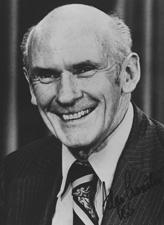
Alan Cranston
Former U.S. Senator from California · 1969–1993 · Democratic · Class 3
Alan Cranston represented California in the United States Senate (1969–1993) for the Democratic party. The page below collects sourced biographical facts, term history, committee roles, and provenance for Cranston.
Bioguide ID: C000877
Key facts
- Full name
- Alan Cranston
- State
- California
- Party
- Democratic
- Senate class
- Class III
- Senate service
- 1969–1993
- First Senate term
- 1969
- Status
- Left office
- Current term ends
- —
- Born
- 1914
- Bioguide ID
- C000877
- Committee assignments
- —
- Dataset version
- 1.20260602
Biographical narrative
1,030 words · sourced from the Wikipedia REST extract
Alan Cranston was a prominent American politician who served as a United States Senator from California. A member of the Democratic Party, he held office from 1969 until 1993, representing the interests of his constituents for a total of four terms in the Senate. Cranston was known for his involvement in various legislative initiatives and his commitment to public service throughout his political career.
Early life and career
Alan Cranston was born on June 19, 1914. His early life laid the foundation for his future endeavors in public service and politics. Cranston's formative years were marked by a strong emphasis on education and civic responsibility, which would later influence his political philosophy and career.
Before entering the Senate, Cranston had a diverse career that included work in journalism and business. He began his professional journey as a newspaper reporter, which provided him with valuable insights into the political landscape and the importance of clear communication. His experiences in journalism helped him develop a keen understanding of the issues facing the public, which would later inform his legislative priorities.
Cranston's political career began in earnest when he was elected to the California State Senate, where he served from 1945 to 1950. This early experience in state politics allowed him to build a network of contacts and gain a deeper understanding of the legislative process. Following his tenure in the state legislature, he continued to engage in various public service roles, further solidifying his commitment to the welfare of his community and the state of California.
In the years leading up to his election to the U.S. Senate, Cranston was involved in several initiatives and organizations that focused on social justice, civil rights, and environmental issues. His advocacy for these causes resonated with many voters, positioning him as a strong candidate for higher office. In 1968, Cranston successfully ran for the U.S. Senate, marking the beginning of a significant chapter in his political career.
Senate tenure
Alan Cranston's tenure in the U.S. Senate began in 1969, and he quickly established himself as a prominent figure within the Democratic Party. Over the course of his four terms, he became known for his dedication to a range of issues, including healthcare, education, and environmental protection. His legislative efforts were often characterized by a focus on progressive policies aimed at improving the quality of life for Californians and Americans at large.
During his time in the Senate, Cranston was involved in numerous legislative initiatives that sought to address pressing social issues. He was a strong advocate for expanding access to healthcare and worked on various reforms aimed at improving the nation's healthcare system. His commitment to education was also evident, as he supported measures designed to enhance educational opportunities for students across the country.
Cranston's environmental advocacy was particularly notable. He recognized the importance of protecting natural resources and addressing the challenges posed by pollution and climate change. Throughout his Senate career, he championed legislation aimed at preserving the environment and promoting sustainable practices, reflecting a growing awareness of environmental issues during the late 20th century.
In addition to his legislative work, Cranston played a significant role in various Senate committees, where he contributed to discussions and decisions on key policy matters. His ability to collaborate with colleagues from both parties allowed him to navigate the complexities of the legislative process effectively. Cranston's tenure was marked by a commitment to bipartisanship, as he sought to build consensus on important issues facing the nation.
Cranston's political career was not without its challenges. He faced opposition from various interest groups and political adversaries, but he remained steadfast in his commitment to his constituents and the principles he believed in. His ability to connect with voters and articulate his vision for the future of California and the nation contributed to his electoral successes.
Cranston's Senate career came to an end on January 3, 1993, after serving for over two decades. His departure from the Senate marked the conclusion of a significant era in California politics, during which he had become a respected voice on a wide range of issues.
Legislative focus and committees
Throughout his Senate career, Alan Cranston focused on several key areas of legislation that reflected his values and priorities. His commitment to social justice and civil rights was a driving force behind many of his initiatives. He worked diligently to promote policies that aimed to reduce inequality and improve the lives of marginalized communities.
Cranston was particularly active in healthcare reform, advocating for policies that would expand access to medical services and improve the overall health of the population. His efforts in this area were part of a broader movement during the 1970s and 1980s to address the shortcomings of the American healthcare system.
In addition to healthcare, Cranston was a strong proponent of education reform. He recognized the vital role that education plays in shaping the future of individuals and society as a whole. His legislative efforts included initiatives aimed at increasing funding for public schools, improving educational resources, and expanding access to higher education.
Environmental issues were also a central focus of Cranston's legislative agenda. He was an early advocate for environmental protection and sustainability, supporting legislation that aimed to combat pollution and preserve natural resources. His work in this area was particularly significant during a time when environmental concerns were gaining prominence on the national stage.
Cranston served on several Senate committees during his tenure, which allowed him to influence a wide range of policy areas. His participation in these committees enabled him to engage with experts and stakeholders, fostering discussions that would shape important legislation. His ability to work collaboratively with colleagues from both parties was a hallmark of his approach to governance.
In summary, Alan Cranston's Senate career was characterized by a commitment to progressive values and a focus on issues that affected the lives of everyday Americans. His work in healthcare, education, and environmental protection reflected his dedication to public service and his belief in the importance of government in addressing societal challenges. As a former senator, Cranston left a lasting impact on California and the nation, shaping the discourse on critical issues for future generations.
Notable legislation
Sponsored and co-sponsored legislation for Alan Cranston is pending operator curation. The biographical narrative above carries the same provenance trail until per-bill rows are written.
Sources
- [1]https://en.wikipedia.org/wiki/Alan_CranstonWikipedia · retrieved 2026-06-02
Notable quotes
Sourced quotes for Alan Cranston are pending operator curation. Narrative-scope provenance remains attached below.
Sources
- [1]https://en.wikipedia.org/wiki/Alan_CranstonWikipedia · retrieved 2026-06-02
Key positions
Curated policy positions for Alan Cranston are pending operator review. The biographical narrative above carries the same provenance trail until per-topic positions are written.
Sources
- [1]https://en.wikipedia.org/wiki/Alan_CranstonWikipedia · retrieved 2026-06-02
Terms served
- 1969–1975U.S. Senate · Term 1 · Democratic · Class III
- 1975–1981U.S. Senate · Term 2 · Democratic · Class III
- 1981–1987U.S. Senate · Term 3 · Democratic · Class III
- 1987–1993U.S. Senate · Term 4 · Democratic · Class III
Sources & provenance
Every attributable claim above carries a per-section [N] marker that resolves to the corresponding URL below. Each entry records the upstream provider, the canonical URL, and the timestamp at which the source was retrieved by the ingest pipeline.
Key facts
- https://bioguide.congress.gov/search/bio/C000877bioguide · retrieved 2026-06-02
- https://www.govtrack.us/congress/members/402990govtrack · retrieved 2026-06-02
Biographical narrative
- https://en.wikipedia.org/wiki/Alan_Cranstonwikipedia · retrieved 2026-06-02
Find your senator
Every U.S. state elects two senators. Browse California’s delegation, the full former-senator roster, or explore the role and term length.
Related on The Candidate
- Preceded by Thomas KuchelEarlier holder of the California Class III Senate seat · Republican.Open
- Succeeded by Barbara BoxerLater holder of the California Class III Senate seat · Democratic.Open
- Aaron SargentFormer U.S. Senator from California · RepublicanOpen
- Abram WilliamsFormer U.S. Senator from California · RepublicanOpen
- Charles FeltonFormer U.S. Senator from California · RepublicanOpen
- Democratic PartyFederal candidates and office holders on the Democratic line.Open