
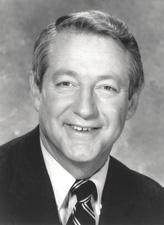
Historical · U.S. Senate · Colorado
Hank Brown
Former U.S. Senator from Colorado · 1991–1997 · Republican · Class 2
Hank Brown represented Colorado in the United States Senate (1991–1997) for the Republican party. The page below collects sourced biographical facts, term history, committee roles, and provenance for Brown.
Bioguide ID: B000919
Key facts
- Full name
- Hank Brown
- State
- Colorado
- Party
- Republican
- Senate class
- Class II
- Senate service
- 1991–1997
- First Senate term
- 1991
- Status
- Left office
- Current term ends
- —
- Born
- 1940
- Bioguide ID
- B000919
- Committee assignments
- —
- Dataset version
- 1.20260602
Biographical narrative
915 words · sourced from the Wikipedia REST extract
Hank Brown is a former U.S. Senator from Colorado, representing the Republican Party. He served in the Senate from 1991 until the conclusion of his term in January 1997. Brown's political career is marked by his commitment to public service, which extended beyond his time in the Senate, as he held various positions in both the public and private sectors. His tenure in the Senate was characterized by his involvement in a range of legislative issues and his participation in several committees that shaped national policy.
Early life and career
Hank Brown was born on February 12, 1940. His early life and formative years laid the groundwork for his future political career. Details about his upbringing, education, and early professional experiences are not extensively documented, but it is known that he pursued higher education, which likely contributed to his understanding of public policy and governance. Before entering the political arena, Brown engaged in various professional endeavors, including work in the private sector, which provided him with insights into the business world and the challenges faced by constituents in Colorado.
Brown's initial foray into politics began at the local level, where he gained valuable experience that would serve him well in his later roles. His commitment to public service was evident as he sought to address the needs and concerns of his community. This local engagement helped him build a network of supporters and establish a reputation as a dedicated public servant. His political journey eventually led him to seek higher office, culminating in his election to the United States Senate.
Senate tenure
Hank Brown's Senate career commenced in 1991 when he was elected to represent Colorado. During his time in the Senate, he was part of a legislative body that was often characterized by partisan divisions, yet he worked to navigate these challenges in pursuit of effective governance. Brown's Senate term lasted until January 3, 1997, marking a significant period in his political life. As a member of the Senate, he participated in various debates and discussions that shaped the legislative landscape of the time.
Throughout his tenure, Brown focused on a range of issues pertinent to his constituents and the nation as a whole. His approach to governance was influenced by his Republican values, which emphasized fiscal responsibility, limited government, and individual liberties. Brown's legislative efforts were aimed at promoting policies that aligned with these principles, and he sought to engage with his colleagues across the aisle to achieve bipartisan support for key initiatives.
During his time in the Senate, Brown was involved in numerous legislative activities, contributing to discussions on economic policies, healthcare, education, and national security. His participation in Senate debates and committee meetings allowed him to advocate for the interests of Colorado residents, as well as to address broader national concerns. Brown's ability to articulate his positions and work collaboratively with others was a hallmark of his Senate career.
In addition to his legislative responsibilities, Brown also engaged with his constituents through town hall meetings and other outreach efforts. He recognized the importance of connecting with the people he represented and sought to ensure that their voices were heard in the Senate. This commitment to constituent service was a defining aspect of his time in office and helped to solidify his standing as a representative of Colorado's interests.
Legislative focus and committees
During his Senate tenure, Hank Brown served on various committees that played a crucial role in shaping legislation. His committee assignments allowed him to delve deeply into specific areas of policy and contribute to the development of laws that impacted a wide range of issues. While specific committee memberships are not detailed, it is common for Senators to serve on committees related to finance, education, foreign relations, and other key areas that align with their interests and expertise.
Brown's legislative focus was reflective of the priorities of his constituents and the broader Republican agenda during the 1990s. He was particularly attentive to issues related to economic growth and fiscal responsibility, advocating for policies that aimed to stimulate job creation and support small businesses. His background in the private sector informed his understanding of the economic landscape and the challenges faced by entrepreneurs and workers.
In addition to economic matters, Brown also addressed healthcare and education issues during his time in the Senate. He recognized the importance of accessible and affordable healthcare for all Americans and sought to engage in discussions about reforming the healthcare system. Education was another area of focus, as he aimed to promote policies that would enhance educational opportunities for students in Colorado and across the nation.
National security and foreign policy were also significant components of Brown's legislative agenda. He participated in discussions surrounding defense spending, military readiness, and international relations, recognizing the importance of a strong national defense in a rapidly changing global landscape. His contributions to these discussions reflected a commitment to ensuring the safety and security of the United States and its allies.
Overall, Hank Brown's Senate tenure was marked by his dedication to public service, his engagement with constituents, and his involvement in key legislative issues. His ability to navigate the complexities of the Senate and work collaboratively with colleagues from both parties contributed to his effectiveness as a legislator. After concluding his term in January 1997, Brown's political career continued to evolve, but his time in the Senate remains a significant chapter in his life and a testament to his commitment to serving the people of Colorado.
Notable legislation
Sponsored and co-sponsored legislation for Hank Brown is pending operator curation. The biographical narrative above carries the same provenance trail until per-bill rows are written.
Sources
- [1]https://en.wikipedia.org/wiki/Hank_BrownWikipedia · retrieved 2026-06-02
Notable quotes
Sourced quotes for Hank Brown are pending operator curation. Narrative-scope provenance remains attached below.
Sources
- [1]https://en.wikipedia.org/wiki/Hank_BrownWikipedia · retrieved 2026-06-02
Key positions
Curated policy positions for Hank Brown are pending operator review. The biographical narrative above carries the same provenance trail until per-topic positions are written.
Sources
- [1]https://en.wikipedia.org/wiki/Hank_BrownWikipedia · retrieved 2026-06-02
Terms served
- 1981–1983U.S. House · District 4 · Term 1 · Republican
- 1983–1985U.S. House · District 4 · Term 2 · Republican
- 1985–1987U.S. House · District 4 · Term 3 · Republican
- 1987–1989U.S. House · District 4 · Term 4 · Republican
- 1989–1991U.S. House · District 4 · Term 5 · Republican
- 1991–1997U.S. Senate · Term 6 · Republican · Class II
Sources & provenance
Every attributable claim above carries a per-section [N] marker that resolves to the corresponding URL below. Each entry records the upstream provider, the canonical URL, and the timestamp at which the source was retrieved by the ingest pipeline.
Key facts
- https://bioguide.congress.gov/search/bio/B000919bioguide · retrieved 2026-06-02
- https://www.govtrack.us/congress/members/401874govtrack · retrieved 2026-06-02
Biographical narrative
- https://en.wikipedia.org/wiki/Hank_Brownwikipedia · retrieved 2026-06-02
Find your senator
Every U.S. state elects two senators. Browse Colorado’s delegation, the full former-senator roster, or explore the role and term length.
Related on The Candidate
- Preceded by William ArmstrongEarlier holder of the Colorado Class II Senate seat · Republican.Open
- Succeeded by Wayne AllardLater holder of the Colorado Class II Senate seat · Republican.Open
- Alva AdamsFormer U.S. Senator from Colorado · DemocraticOpen
- Ben CampbellFormer U.S. Senator from Colorado · RepublicanOpen
- Charles Hughes Jr.Former U.S. Senator from Colorado · DemocraticOpen
- Charles ThomasFormer U.S. Senator from Colorado · DemocraticOpen