
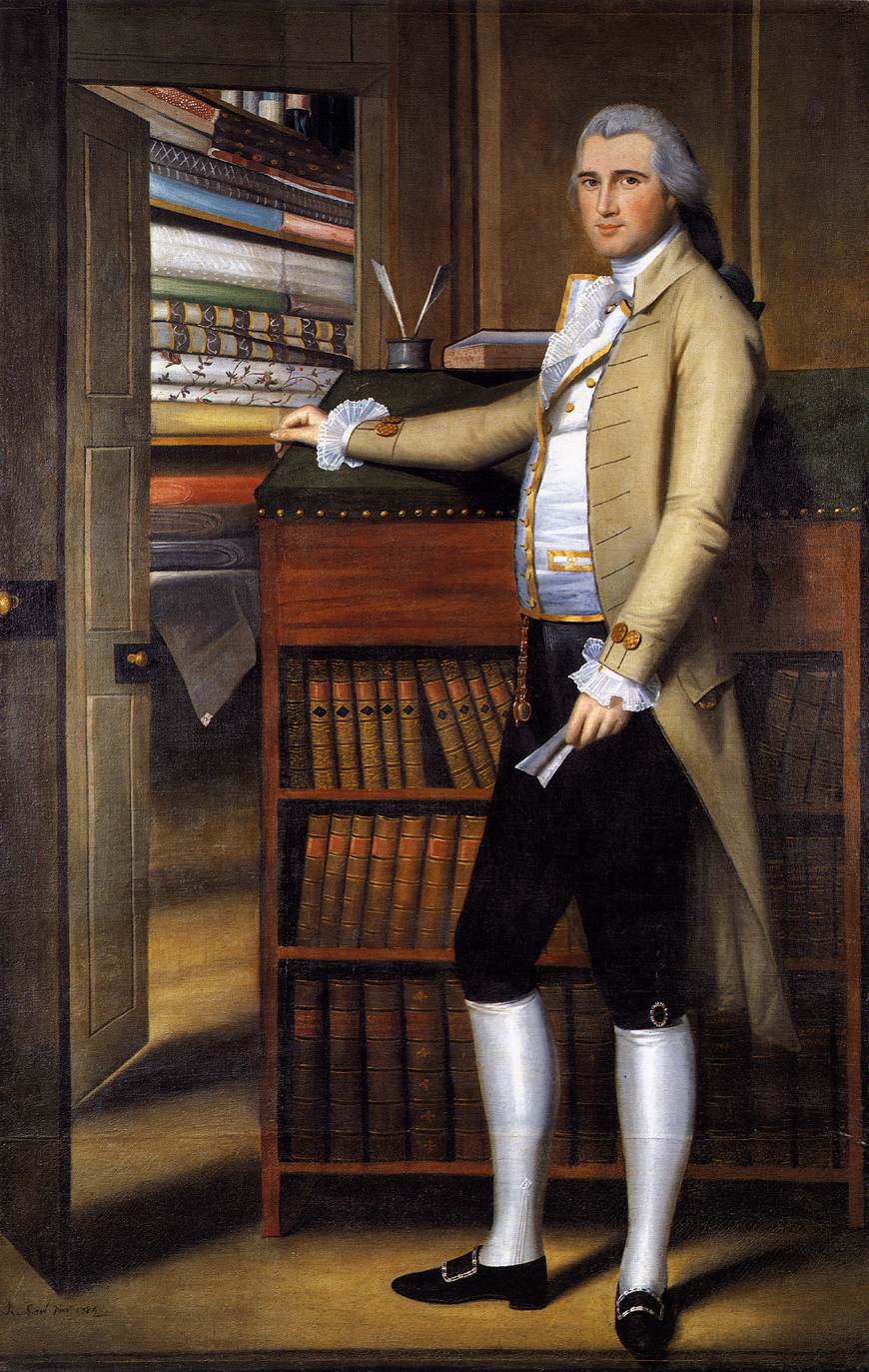
Historical · U.S. Senate · Connecticut
Elijah Boardman
Former U.S. Senator from Connecticut · 1821–1823 · Republican · Class 1
Elijah Boardman represented Connecticut in the United States Senate (1821–1823) for the Republican party. The page below collects sourced biographical facts, term history, committee roles, and provenance for Boardman.
Bioguide ID: B000577
Key facts
- Full name
- Elijah Boardman
- State
- Connecticut
- Party
- Republican
- Senate class
- Class I
- Senate service
- 1821–1823
- First Senate term
- 1821
- Status
- Left office
- Current term ends
- —
- Born
- 1760
- Bioguide ID
- B000577
- Committee assignments
- —
- Dataset version
- 1.20260602
Biographical narrative
961 words · sourced from the Wikipedia REST extract
Elijah Boardman was a prominent American politician who served as a United States Senator from Connecticut. A member of the Republican Party, Boardman held office from 1821 until the end of his term in 1823. His career was marked by his involvement in both local and national politics, as well as his contributions to commerce and land development in Connecticut and Ohio. Born into a politically active family, Boardman's early life was shaped by his experiences in the American Revolutionary War, his mercantile endeavors, and his gradual rise through the political ranks.
Early life and career
Elijah Boardman was born on March 7, 1760, in New Milford, Connecticut, as the third of four children to Deacon Sherman Boardman and Sarah Bostwick Boardman. His father was a well-respected farmer and a significant figure in local politics, having been elected numerous times to the General Assembly of Connecticut. The Boardman family was among the founding families of New Milford, and they lived on a substantial farm along the Housatonic River. This environment provided Elijah with a foundation in both agriculture and civic engagement.
Boardman's upbringing was influenced by the strong political and educational background of his family. He received his education from private tutors, including Latin instruction from Reverend Nathaniel Taylor, as well as lessons from his mother. At the age of 16, Boardman enlisted in the Connecticut militia to serve in the American Revolutionary War. He began his military service in March 1776, initially serving under Captain Isaac Bostwick in one of the first regiments raised by the Continental Congress. His military journey took him to various locations, including Boston and New York City, where he participated in the Battle of Long Island. However, his service was cut short due to health issues, and he ultimately obtained a discharge after several months.
Following his military service, Boardman returned to his studies and began his career in commerce. In 1781, he took a position as a clerk and later as a merchant, gaining experience in the retail industry. He worked in New Haven before establishing his own dry-goods store in New Milford later that same year, collaborating with his brothers David and Daniel. His business acumen led him to explore opportunities beyond Connecticut, including visits to Ohio, where he founded the town of Boardman. In 1792, he married Mary Anna Whiting, and together they built a home known as the Boardman House, which still stands today.
Boardman's entrepreneurial ventures expanded as he became involved with the Connecticut Land Company in 1795. He purchased land in the Connecticut Western Reserve, which is now part of northern Ohio, and played a significant role in the establishment of the town of Medina. His investments in real estate positioned him among the wealthier members of the post-Revolutionary War society, and he became one of the highest taxpayers in the area.
Senate tenure
Elijah Boardman's political career began to take shape in the early 19th century. He first entered public office as a member of the Connecticut State House of Representatives, serving from 1803 to 1805 and again in 1816. His political involvement continued to grow, and he later served in the State Senate from 1819 to 1821. His experience in state politics laid the groundwork for his election to the United States Senate.
On March 4, 1821, Boardman was elected to the U.S. Senate by the Connecticut legislature. He represented Connecticut as a member of the Republican Party during a period marked by significant political and social changes in the nation. Boardman's tenure in the Senate was relatively brief, lasting until December 31, 1823, when his term ended. During this time, he participated in various Senate proceedings and contributed to discussions on national issues.
Boardman's political career was characterized by his commitment to his constituents and his engagement in the legislative process. Although specific details of his Senate activities are not extensively documented, his presence in the Senate during this period indicates his active involvement in shaping policies that affected both Connecticut and the broader United States.
Legislative focus and committees
While specific legislative initiatives and committee assignments during Boardman's Senate tenure are not detailed in the available records, his background in commerce and land development likely influenced his perspectives on economic and property-related issues. Given his extensive experience in business and land ownership, it is plausible that he advocated for policies that supported economic growth and development, particularly in relation to land use and commerce.
Boardman's political career was also shaped by the broader context of the early 19th century, a time when the United States was grappling with issues such as westward expansion, economic development, and the evolving role of government in regulating commerce. As a senator from a state with significant agricultural and commercial interests, Boardman's legislative focus may have included matters related to trade, land policy, and the economic well-being of his constituents.
Despite the limited documentation of his specific legislative actions, Boardman's background as a merchant and landowner suggests that he would have been attuned to the needs and concerns of the business community, as well as the challenges faced by farmers and landowners in Connecticut and beyond. His involvement in state politics prior to his Senate election also indicates a commitment to addressing local issues and representing the interests of his constituents at the national level.
Elijah Boardman's life and career reflect the complexities of early American politics and the interplay between commerce, land ownership, and public service. His contributions to both state and national governance, as well as his role in the development of towns in Ohio, underscore the multifaceted nature of his legacy. Boardman passed away on August 18, 1823, in Ohio, marking the end of a career that spanned military service, commerce, and public office.
Notable legislation
Sponsored and co-sponsored legislation for Elijah Boardman is pending operator curation. The biographical narrative above carries the same provenance trail until per-bill rows are written.
Sources
- [1]https://en.wikipedia.org/wiki/Elijah_BoardmanWikipedia · retrieved 2026-06-02
Notable quotes
Sourced quotes for Elijah Boardman are pending operator curation. Narrative-scope provenance remains attached below.
Sources
- [1]https://en.wikipedia.org/wiki/Elijah_BoardmanWikipedia · retrieved 2026-06-02
Key positions
Curated policy positions for Elijah Boardman are pending operator review. The biographical narrative above carries the same provenance trail until per-topic positions are written.
Sources
- [1]https://en.wikipedia.org/wiki/Elijah_BoardmanWikipedia · retrieved 2026-06-02
Terms served
- 1821–1823U.S. Senate · Term 1 · Republican · Class I
Sources & provenance
Every attributable claim above carries a per-section [N] marker that resolves to the corresponding URL below. Each entry records the upstream provider, the canonical URL, and the timestamp at which the source was retrieved by the ingest pipeline.
Key facts
- https://bioguide.congress.gov/search/bio/B000577bioguide · retrieved 2026-06-02
- https://www.govtrack.us/congress/members/401548govtrack · retrieved 2026-06-02
Biographical narrative
- https://en.wikipedia.org/wiki/Elijah_Boardmanwikipedia · retrieved 2026-06-02
Find your senator
Every U.S. state elects two senators. Browse Connecticut’s delegation, the full former-senator roster, or explore the role and term length.
Related on The Candidate
- Preceded by Samuel DanaEarlier holder of the Connecticut Class I Senate seat · Federalist.Open
- Succeeded by Henry EdwardsLater holder of the Connecticut Class I Senate seat · Jackson.Open
- Abraham RibicoffFormer U.S. Senator from Connecticut · DemocraticOpen
- Augustine LonerganFormer U.S. Senator from Connecticut · DemocraticOpen
- Brien McMahonFormer U.S. Senator from Connecticut · DemocraticOpen
- Calvin WilleyFormer U.S. Senator from Connecticut · AdamsOpen