
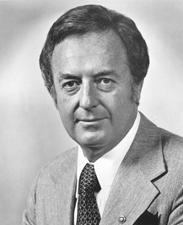
Historical · U.S. Senate · Florida
Dick Stone
Former U.S. Senator from Florida · 1975–1981 · Democratic · Class 3
Dick Stone represented Florida in the United States Senate (1975–1981) for the Democratic party. The page below collects sourced biographical facts, term history, committee roles, and provenance for Stone.
Bioguide ID: S000962
Key facts
- Full name
- Dick Stone
- State
- Florida
- Party
- Democratic
- Senate class
- Class III
- Senate service
- 1975–1981
- First Senate term
- 1975
- Status
- Left office
- Current term ends
- —
- Born
- 1928
- Bioguide ID
- S000962
- Committee assignments
- —
- Dataset version
- 1.20260602
Biographical narrative
929 words · sourced from the Wikipedia REST extract
Richard (Dick) Stone served as a United States Senator from Florida, representing the Democratic Party. His tenure in the Senate began in 1975 and concluded on January 3, 1981. Stone's political career was marked by his commitment to public service and his involvement in various legislative initiatives during a time of significant change in American politics and society.
Early life and career
Richard Stone was born on September 22, 1928. His early life and formative years laid the groundwork for his future in public service and politics. Growing up in a period marked by economic challenges and global conflict, Stone was influenced by the events of his time, which shaped his perspectives and values.
Before entering the political arena, Stone pursued higher education, which equipped him with the knowledge and skills necessary for a career in law and public service. He earned a degree in law, which provided a foundation for his understanding of the legal and legislative processes that would later define his work as a senator.
Stone's professional career began in the legal field, where he practiced law and gained experience that would prove invaluable in his political endeavors. His legal background allowed him to navigate complex legislative issues and advocate effectively for his constituents. Prior to his election to the Senate, he was also involved in various civic and community activities, which helped him build a network of support and establish his reputation as a dedicated public servant.
His entry into politics was marked by a desire to effect change and contribute to the welfare of his community and state. Stone's commitment to public service was evident as he sought to address the needs and concerns of the people he represented. This dedication ultimately led him to run for office, culminating in his election to the United States Senate.
Senate tenure
Richard Stone's Senate career began in 1975 when he was elected to represent Florida. His election came during a transformative period in American politics, characterized by shifting social dynamics and evolving public policy challenges. As a member of the Democratic Party, Stone aligned himself with the party's platform, which emphasized social justice, economic equity, and environmental protection.
During his time in the Senate, Stone was involved in a variety of legislative efforts that reflected the priorities of his constituents and the broader national agenda. His tenure spanned a time of significant political activity, including debates over civil rights, economic policy, and foreign relations. Stone's role as a senator allowed him to engage with these pressing issues and contribute to the legislative process.
Stone's first term in the Senate was marked by active participation in various committees and subcommittees, where he worked collaboratively with his colleagues to advance legislation. His ability to build bipartisan relationships was crucial in navigating the complexities of the Senate and achieving legislative goals. Throughout his time in office, he focused on issues that were important to the people of Florida, including economic development, healthcare, and education.
In 1980, Stone sought re-election, but his campaign faced challenges amid a changing political landscape. The election results ultimately led to the conclusion of his Senate career on January 3, 1981. While his time in the Senate was relatively brief, it was characterized by a commitment to public service and a focus on the needs of his constituents.
Legislative focus and committees
During his tenure in the Senate, Richard Stone was involved in a range of legislative initiatives that addressed key issues affecting his state and the nation. His work reflected a commitment to the principles of the Democratic Party, with a focus on social equity, economic opportunity, and environmental stewardship.
Stone's legislative focus included a strong emphasis on healthcare reform. He recognized the importance of accessible and affordable healthcare for all Americans and sought to advance policies that would improve health outcomes for his constituents. His efforts in this area were part of a broader national conversation about healthcare access and quality, which remains a critical issue in American politics.
In addition to healthcare, Stone was also concerned with economic development and job creation. He understood the challenges faced by Floridians, particularly in the context of economic fluctuations and changing industries. Stone advocated for policies that would stimulate economic growth, support small businesses, and create job opportunities for residents. His work in this area was aimed at fostering a robust economy that could sustain the needs of the population.
Environmental issues were another significant aspect of Stone's legislative agenda. As a senator from Florida, he was acutely aware of the state's unique ecological challenges, including the preservation of its natural resources and the impact of environmental degradation. Stone supported initiatives aimed at protecting Florida's environment, recognizing the importance of conservation for future generations.
Throughout his Senate career, Stone served on various committees that allowed him to influence legislation in these critical areas. His committee assignments provided him with the platform to advocate for policies that aligned with his priorities and the needs of his constituents. By participating in these committees, he was able to engage with experts, gather information, and collaborate with colleagues to develop effective legislative solutions.
In summary, Richard (Dick) Stone's career as a U.S. Senator from Florida was characterized by his dedication to public service and his focus on key issues such as healthcare, economic development, and environmental protection. His tenure in the Senate, while relatively short, reflected the complexities of American politics during a transformative era. Stone's contributions to the legislative process and his commitment to his constituents remain a part of his legacy in public service.
Notable legislation
Sponsored and co-sponsored legislation for Dick Stone is pending operator curation. The biographical narrative above carries the same provenance trail until per-bill rows are written.
Sources
- [1]https://en.wikipedia.org/wiki/Richard_Stone_(politician)Wikipedia · retrieved 2026-06-02
Notable quotes
Sourced quotes for Dick Stone are pending operator curation. Narrative-scope provenance remains attached below.
Sources
- [1]https://en.wikipedia.org/wiki/Richard_Stone_(politician)Wikipedia · retrieved 2026-06-02
Key positions
Curated policy positions for Dick Stone are pending operator review. The biographical narrative above carries the same provenance trail until per-topic positions are written.
Sources
- [1]https://en.wikipedia.org/wiki/Richard_Stone_(politician)Wikipedia · retrieved 2026-06-02
Terms served
- 1975–1981U.S. Senate · Term 1 · Democratic · Class III
Sources & provenance
Every attributable claim above carries a per-section [N] marker that resolves to the corresponding URL below. Each entry records the upstream provider, the canonical URL, and the timestamp at which the source was retrieved by the ingest pipeline.
Key facts
- https://bioguide.congress.gov/search/bio/S000962bioguide · retrieved 2026-06-02
- https://www.govtrack.us/congress/members/410421govtrack · retrieved 2026-06-02
Biographical narrative
- https://en.wikipedia.org/wiki/Richard_Stone_(politician)wikipedia · retrieved 2026-06-02
Find your senator
Every U.S. state elects two senators. Browse Florida’s delegation, the full former-senator roster, or explore the role and term length.
Related on The Candidate
- Preceded by Edward GurneyEarlier holder of the Florida Class III Senate seat · Republican.Open
- Succeeded by Paula HawkinsLater holder of the Florida Class III Senate seat · Republican.Open
- Abijah GilbertFormer U.S. Senator from Florida · RepublicanOpen
- Adonijah WelchFormer U.S. Senator from Florida · RepublicanOpen
- Bill NelsonFormer U.S. Senator from Florida · DemocraticOpen
- Bob GrahamFormer U.S. Senator from Florida · DemocraticOpen