
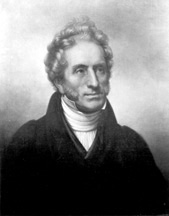
Historical · U.S. Senate · Georgia
George Jones
Former U.S. Senator from Georgia · 1807–1807 · Republican · Class 2
George Jones represented Georgia in the United States Senate (1807–1807) for the Republican party. The page below collects sourced biographical facts, term history, committee roles, and provenance for Jones.
Bioguide ID: J000220
Key facts
- Full name
- George Jones
- State
- Georgia
- Party
- Republican
- Senate class
- Class II
- Senate service
- 1807–1807
- First Senate term
- 1807
- Status
- Left office
- Current term ends
- —
- Born
- 1766
- Bioguide ID
- J000220
- Committee assignments
- —
- Dataset version
- 1.20260602
Biographical narrative
925 words · sourced from the Wikipedia REST extract
George Jones was a prominent political figure in early American history, serving as a United States senator from Georgia. A member of the Republican Party, Jones's political career was marked by his involvement in various capacities within the state of Georgia, including roles in local government and the judiciary. His tenure in the Senate was brief, yet he played a significant role in the political landscape of his time. Born in the mid-18th century, Jones's life was shaped by the events of the American Revolutionary War and the early years of the United States.
Early life and career
George Jones was born on February 25, 1766, in Savannah, Georgia. He was raised in a family with deep roots in the region's political and social fabric. His father, Noble Wimberly Jones, was a delegate to the Continental Congress, and his grandfather, Noble Jones, was one of the early settlers of Georgia, known for establishing Wormsloe Plantation. This lineage provided Jones with a strong foundation in civic duty and public service.
Jones received an academic education and pursued medical studies under the guidance of his father. He practiced medicine for several years, which contributed to his understanding of public health and welfare issues. His medical background would later inform his perspectives on various legislative matters.
His early life was significantly impacted by the American Revolutionary War, during which he served as a soldier. Jones was captured by the British Army and spent time as a prisoner of war aboard an English ship from 1780 to 1781. This experience likely influenced his views on governance and liberty, as the war was a formative period for many American leaders.
Following the war, Jones transitioned into politics. He began his public service career as a member of the Georgia House of Representatives and later served in the Georgia Senate. His political involvement included multiple terms on the Savannah board of aldermen, where he contributed to local governance. He also held the position of mayor of Savannah from 1812 to 1814, further solidifying his role in the city's administration.
In addition to his political roles, Jones was appointed as a judge of the eastern judicial circuit of Georgia in 1804. This position allowed him to influence the legal landscape of the state and gain valuable experience in judicial matters, which would be beneficial during his later political career.
Senate tenure
George Jones's tenure in the United States Senate began in 1807 when he was appointed to fill the vacancy left by the death of Senator Abraham Baldwin. His appointment marked a significant step in his political career, allowing him to represent Georgia at the national level. Jones served in the Senate from August 27, 1807, until November 7, 1807, when a successor was elected. Although his time in the Senate was relatively short, it was a critical period in the development of the young nation.
During his brief time in the Senate, Jones participated in the legislative processes that were shaping the United States. The early 19th century was a time of significant change and development for the country, as it was grappling with issues related to governance, territorial expansion, and national identity. While specific details of his legislative actions during this period are not extensively documented, his background in medicine and law likely informed his contributions to discussions on public health, legal frameworks, and governance.
After his Senate term ended, Jones returned to Georgia, where he continued to be involved in local governance and community affairs. His experience in the Senate and his previous roles in state government provided him with a wealth of knowledge and connections that would serve him well in his future endeavors.
Legislative focus and committees
While specific details regarding George Jones's legislative focus and committee assignments during his Senate tenure are not extensively recorded, his background in medicine, law, and local governance suggests that he may have been particularly interested in issues related to public health, legal matters, and the welfare of his constituents. The early 19th century was a time when the United States was expanding rapidly, and senators often engaged in discussions about infrastructure, trade, and the rights of states versus the federal government.
Jones's experience as a judge and his medical training would have provided him with a unique perspective on the legislative issues of his time. He likely advocated for policies that aligned with his understanding of the law and public health, although the specifics of his legislative priorities remain less documented.
In addition to his professional background, Jones's involvement in local government and his role as mayor of Savannah would have given him insight into the needs and concerns of his constituents. This local experience often translated into a focus on community-oriented legislation, as senators sought to address the immediate needs of their states while also considering the broader implications of their decisions on the national stage.
After leaving the Senate, Jones continued to engage in public service and local governance, reflecting his lifelong commitment to the community. His contributions to Georgia's political landscape, both as a senator and in various local roles, underscore the importance of civic engagement in shaping the early years of the United States.
George Jones passed away on November 13, 1838, in Savannah, Georgia. He was interred in Bonaventure Cemetery, leaving behind a legacy of public service and commitment to the governance of his state and nation. His life and career exemplify the contributions of early American leaders who navigated the complexities of a young republic, laying the groundwork for future generations.
Notable legislation
Sponsored and co-sponsored legislation for George Jones is pending operator curation. The biographical narrative above carries the same provenance trail until per-bill rows are written.
Sources
- [1]https://en.wikipedia.org/wiki/George_Jones_(Georgia_politician)Wikipedia · retrieved 2026-06-02
Notable quotes
Sourced quotes for George Jones are pending operator curation. Narrative-scope provenance remains attached below.
Sources
- [1]https://en.wikipedia.org/wiki/George_Jones_(Georgia_politician)Wikipedia · retrieved 2026-06-02
Key positions
Curated policy positions for George Jones are pending operator review. The biographical narrative above carries the same provenance trail until per-topic positions are written.
Sources
- [1]https://en.wikipedia.org/wiki/George_Jones_(Georgia_politician)Wikipedia · retrieved 2026-06-02
Terms served
- 1807–1807U.S. Senate · Term 1 · Republican · Class II
Sources & provenance
Every attributable claim above carries a per-section [N] marker that resolves to the corresponding URL below. Each entry records the upstream provider, the canonical URL, and the timestamp at which the source was retrieved by the ingest pipeline.
Key facts
- https://bioguide.congress.gov/search/bio/J000220bioguide · retrieved 2026-06-02
- https://www.govtrack.us/congress/members/406114govtrack · retrieved 2026-06-02
Biographical narrative
- https://en.wikipedia.org/wiki/George_Jones_(Georgia_politician)wikipedia · retrieved 2026-06-02
Find your senator
Every U.S. state elects two senators. Browse Georgia’s delegation, the full former-senator roster, or explore the role and term length.
Related on The Candidate
- Preceded by Abraham BaldwinEarlier holder of the Georgia Class II Senate seat · Republican.Open
- Succeeded by William CrawfordLater holder of the Georgia Class II Senate seat · Republican.Open
- Alexander ClayFormer U.S. Senator from Georgia · DemocraticOpen
- Alfred ColquittFormer U.S. Senator from Georgia · DemocraticOpen
- Alfred CuthbertFormer U.S. Senator from Georgia · DemocraticOpen
- Republican PartyFederal candidates and office holders on the Republican line.Open