
Historical · U.S. Senate · Maine
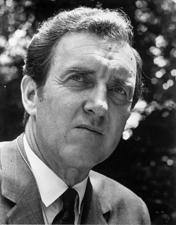
Edmund Muskie
Former U.S. Senator from Maine · 1959–1981 · Democratic · Class 1
Edmund Muskie represented Maine in the United States Senate (1959–1981) for the Democratic party. The page below collects sourced biographical facts, term history, committee roles, and provenance for Muskie.
Bioguide ID: M001121
Key facts
- Full name
- Edmund Muskie
- State
- Maine
- Party
- Democratic
- Senate class
- Class I
- Senate service
- 1959–1981
- First Senate term
- 1959
- Status
- Left office
- Current term ends
- —
- Born
- 1914
- Bioguide ID
- M001121
- Committee assignments
- —
- Dataset version
- 1.20260602
Biographical narrative
953 words · sourced from the Wikipedia REST extract
Edmund S. Muskie was a prominent American politician who served as a U.S. Senator from Maine. A member of the Democratic Party, Muskie's political career spanned over two decades, during which he became known for his contributions to various legislative initiatives and his commitment to public service. He was born on March 28, 1914, and his tenure in the Senate began in 1959, lasting until January 3, 1981. Muskie's influence extended beyond his time in office, as he played a significant role in shaping policies that affected both his state and the nation.
Early life and career
Edmund S. Muskie was born in 1914 in Rumford, Maine. He grew up in a working-class family, which instilled in him a strong sense of community and public service. Muskie pursued higher education at Bates College, where he earned a degree in 1936. Following his graduation, he began his career in public service, initially working as a teacher and later as a lawyer after obtaining his law degree from the University of Maine School of Law.
Muskie's early career was marked by his involvement in local politics. He served as the mayor of Waterville, Maine, where he gained valuable experience in governance and public administration. His commitment to civic duty and his ability to connect with constituents laid the groundwork for his future political endeavors. In 1946, he was elected to the Maine House of Representatives, where he served until 1949. This experience further solidified his reputation as a dedicated public servant.
In 1954, Muskie was elected as the Governor of Maine, a position he held until 1956. During his governorship, he focused on various issues, including economic development, education, and environmental protection. His leadership during this period garnered attention and respect, positioning him as a strong candidate for higher office. Muskie's successful tenure as governor paved the way for his election to the United States Senate in 1958.
Senate tenure
Edmund S. Muskie was elected to the U.S. Senate in 1958, representing the state of Maine. He officially took office in 1959 and served in the Senate for over two decades. Muskie was a member of Senate Class 1, which designates the timing of elections for senators. Throughout his Senate career, he was re-elected multiple times, demonstrating his sustained popularity and support among constituents.
During his time in the Senate, Muskie was known for his collaborative approach to legislation and his ability to work across party lines. He served on several important committees, which allowed him to influence a wide range of policy areas. His tenure was characterized by a commitment to addressing pressing national issues, including civil rights, environmental protection, and healthcare reform.
Muskie's legislative work often focused on improving the quality of life for Americans. He played a pivotal role in the passage of significant legislation aimed at enhancing social welfare and environmental standards. His dedication to public service and his ability to navigate the complexities of the legislative process contributed to his effectiveness as a senator.
In addition to his legislative accomplishments, Muskie was known for his strong advocacy for the state of Maine. He worked diligently to secure federal funding for various projects that benefited his constituents, including infrastructure improvements and economic development initiatives. His efforts helped to elevate Maine's profile in national politics and ensured that the state's needs were addressed at the federal level.
Muskie's Senate career came to an end on January 3, 1981, when he completed his final term. His departure marked the conclusion of a significant chapter in Maine's political history, as he had become one of the state's most influential figures during his time in office.
Legislative focus and committees
Throughout his Senate career, Edmund S. Muskie was involved in a variety of legislative initiatives that reflected his commitment to social justice, environmental protection, and public welfare. He was particularly noted for his work on environmental issues, where he championed policies aimed at preserving natural resources and promoting sustainable practices. Muskie's advocacy for clean air and water standards contributed to the establishment of important environmental regulations that continue to impact policy today.
Muskie's legislative focus extended to civil rights, where he supported measures aimed at promoting equality and combating discrimination. His commitment to social justice was evident in his support for various civil rights initiatives, which sought to ensure that all Americans had equal access to opportunities and protections under the law. Muskie's work in this area was instrumental in advancing the cause of civil rights during a pivotal era in American history.
In addition to his work on environmental and civil rights issues, Muskie was involved in healthcare reform. He recognized the importance of accessible healthcare for all citizens and advocated for policies that aimed to improve the healthcare system. His efforts in this area reflected a broader commitment to enhancing the quality of life for Americans, particularly those in underserved communities.
Muskie served on several key Senate committees during his tenure, which allowed him to play a significant role in shaping legislation across various domains. His participation in these committees provided him with the opportunity to influence policy discussions and advocate for the interests of his constituents. His collaborative approach to committee work facilitated bipartisan efforts to address critical issues facing the nation.
In summary, Edmund S. Muskie's Senate career was marked by a dedication to public service and a commitment to addressing the needs of his constituents. His legislative focus on environmental protection, civil rights, and healthcare reform underscored his belief in the importance of government action to improve the lives of Americans. Muskie's legacy continues to be felt in the realms of policy and governance, reflecting his significant contributions to the United States during his time in office.
Notable legislation
Sponsored and co-sponsored legislation for Edmund Muskie is pending operator curation. The biographical narrative above carries the same provenance trail until per-bill rows are written.
Sources
- [1]https://en.wikipedia.org/wiki/Edmund_MuskieWikipedia · retrieved 2026-06-02
Notable quotes
Sourced quotes for Edmund Muskie are pending operator curation. Narrative-scope provenance remains attached below.
Sources
- [1]https://en.wikipedia.org/wiki/Edmund_MuskieWikipedia · retrieved 2026-06-02
Key positions
Curated policy positions for Edmund Muskie are pending operator review. The biographical narrative above carries the same provenance trail until per-topic positions are written.
Sources
- [1]https://en.wikipedia.org/wiki/Edmund_MuskieWikipedia · retrieved 2026-06-02
Terms served
- 1959–1965U.S. Senate · Term 1 · Democratic · Class I
- 1965–1971U.S. Senate · Term 2 · Democratic · Class I
- 1971–1977U.S. Senate · Term 3 · Democratic · Class I
- 1977–1981U.S. Senate · Term 4 · Democratic · Class I
Sources & provenance
Every attributable claim above carries a per-section [N] marker that resolves to the corresponding URL below. Each entry records the upstream provider, the canonical URL, and the timestamp at which the source was retrieved by the ingest pipeline.
Key facts
- https://bioguide.congress.gov/search/bio/M001121bioguide · retrieved 2026-06-02
- https://www.govtrack.us/congress/members/408083govtrack · retrieved 2026-06-02
Biographical narrative
- https://en.wikipedia.org/wiki/Edmund_Muskiewikipedia · retrieved 2026-06-02
Find your senator
Every U.S. state elects two senators. Browse Maine’s delegation, the full former-senator roster, or explore the role and term length.
Related on The Candidate
- Preceded by Frederick PayneEarlier holder of the Maine Class I Senate seat · Republican.Open
- Succeeded by Olympia SnoweLater holder of the Maine Class I Senate seat · Republican.Open
- Albion ParrisFormer U.S. Senator from Maine · JacksonOpen
- Amos NourseFormer U.S. Senator from Maine · RepublicanOpen
- Arthur GouldFormer U.S. Senator from Maine · RepublicanOpen
- Bert FernaldFormer U.S. Senator from Maine · RepublicanOpen