
Historical · U.S. Senate · Minnesota
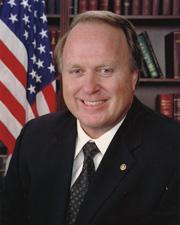
Dean Barkley
Former U.S. Senator from Minnesota · 2002–2003 · Independent · Class 2
Dean Barkley represented Minnesota in the United States Senate (2002–2003) for the Independent party. The page below collects sourced biographical facts, term history, committee roles, and provenance for Barkley.
Bioguide ID: B001237
Key facts
- Full name
- Dean Barkley
- State
- Minnesota
- Party
- Independent
- Senate class
- Class II
- Senate service
- 2002–2003
- First Senate term
- 2002
- Status
- Left office
- Current term ends
- —
- Born
- 1950
- Bioguide ID
- B001237
- Committee assignments
- —
- Dataset version
- 1.20260602
Biographical narrative
855 words · sourced from the Wikipedia REST extract
Dean M. Barkley is a former U.S. Senator from Minnesota, who served as an Independent. His tenure in the Senate was brief, spanning from 2002 to 2003. Barkley is notable for his unique political position and his role in Minnesota's political landscape during his time in office. His background and experiences contribute to his distinctive profile as a legislator, reflecting a blend of independent thought and engagement in public service.
Early life and career
Dean M. Barkley was born on August 31, 1950. His early life and formative years are essential to understanding his later political career. While specific details about his childhood and education are not provided, it is common for individuals in public service to have experiences that shape their perspectives and values. Barkley's journey into politics likely began with a foundation in civic engagement and community involvement, which are critical elements for many who pursue a career in public office.
Before entering the Senate, Barkley had a diverse career that included various roles in public service and business. His professional background provided him with insights into the workings of government and the needs of constituents. The combination of his experiences in different sectors likely influenced his approach to governance and policy-making during his time in the Senate.
Barkley's political career took a significant turn when he decided to run for the U.S. Senate. His decision to enter the political arena as an Independent candidate reflects a broader trend of individuals seeking to represent constituents outside the traditional two-party system. This choice may have been motivated by a desire to address issues that he felt were not adequately represented by the major political parties.
Senate tenure
Dean M. Barkley was elected to the U.S. Senate in 2002, marking the beginning of his term as a senator. His tenure was characterized by a commitment to representing the interests of Minnesota residents while navigating the complexities of being an Independent in a predominantly two-party system. Barkley's time in the Senate was relatively short, concluding on January 3, 2003. Despite the brevity of his service, he made contributions to the legislative process and engaged with various issues pertinent to his constituents.
During his time in office, Barkley faced the challenges that often accompany serving as an Independent. He had to build coalitions and work across party lines to advance his legislative agenda. This experience may have provided him with a unique perspective on the dynamics of the Senate and the importance of bipartisanship in achieving meaningful policy outcomes.
Barkley's election to the Senate came during a period of political transition in Minnesota, which was marked by a growing interest in candidates who could offer alternatives to the established political parties. His presence in the Senate as an Independent was indicative of a shifting political landscape, where voters were increasingly open to diverse political viewpoints. This context may have shaped his approach to governance and his interactions with fellow senators.
Legislative focus and committees
During his time in the Senate, Dean M. Barkley focused on a range of issues that were relevant to his constituents and aligned with his values as an Independent. While specific legislative initiatives or bills he sponsored are not detailed, it is common for senators to prioritize areas such as healthcare, education, infrastructure, and economic development. Barkley's independent status likely influenced his legislative priorities, as he sought to address the needs of a diverse electorate.
In addition to his legislative focus, Barkley participated in various Senate committees, which play a crucial role in shaping policy and overseeing government functions. Committees are essential for conducting hearings, reviewing legislation, and making recommendations to the full Senate. Barkley's involvement in these committees would have allowed him to engage deeply with specific issues and contribute to discussions that impact the lives of Minnesotans.
The nature of Barkley's work in the Senate also reflects broader trends in American politics, where independent voices are increasingly recognized for their potential to bridge divides and foster collaboration. His tenure in the Senate, although brief, exemplified the challenges and opportunities faced by independent legislators in a system dominated by two major parties.
Barkley's approach to governance was likely characterized by a commitment to transparency and accountability, principles that resonate with many constituents. His independent status may have enabled him to advocate for policies that prioritize the public interest over partisan considerations. This perspective is particularly important in an era where political polarization is prevalent, and many voters seek representatives who can transcend traditional party lines.
In summary, Dean M. Barkley's time as a U.S. Senator from Minnesota was marked by his independent approach to politics and his commitment to serving the interests of his constituents. His early life and career laid the groundwork for his political journey, while his tenure in the Senate reflected the complexities of navigating a two-party system as an Independent. Through his legislative focus and committee involvement, Barkley contributed to the ongoing dialogue about governance and representation in American politics. Although his time in office was limited, his experiences and perspectives continue to resonate within the broader context of political discourse in the United States.
Notable legislation
Sponsored and co-sponsored legislation for Dean Barkley is pending operator curation. The biographical narrative above carries the same provenance trail until per-bill rows are written.
Sources
- [1]https://en.wikipedia.org/wiki/Dean_BarkleyWikipedia · retrieved 2026-06-02
Notable quotes
Sourced quotes for Dean Barkley are pending operator curation. Narrative-scope provenance remains attached below.
Sources
- [1]https://en.wikipedia.org/wiki/Dean_BarkleyWikipedia · retrieved 2026-06-02
Key positions
Curated policy positions for Dean Barkley are pending operator review. The biographical narrative above carries the same provenance trail until per-topic positions are written.
Sources
- [1]https://en.wikipedia.org/wiki/Dean_BarkleyWikipedia · retrieved 2026-06-02
Terms served
- 2002–2003U.S. Senate · Term 1 · Independent · Class II
Sources & provenance
Every attributable claim above carries a per-section [N] marker that resolves to the corresponding URL below. Each entry records the upstream provider, the canonical URL, and the timestamp at which the source was retrieved by the ingest pipeline.
Key facts
- https://bioguide.congress.gov/search/bio/B001237bioguide · retrieved 2026-06-02
- https://www.govtrack.us/congress/members/401147govtrack · retrieved 2026-06-02
Biographical narrative
- https://en.wikipedia.org/wiki/Dean_Barkleywikipedia · retrieved 2026-06-02
Find your senator
Every U.S. state elects two senators. Browse Minnesota’s delegation, the full former-senator roster, or explore the role and term length.
Related on The Candidate
- Preceded by Paul WellstoneEarlier holder of the Minnesota Class II Senate seat · Democratic.Open
- Succeeded by Norm ColemanLater holder of the Minnesota Class II Senate seat · Republican.Open
- Al FrankenFormer U.S. Senator from Minnesota · DemocraticOpen
- Alexander RamseyFormer U.S. Senator from Minnesota · RepublicanOpen
- Alonzo EdgertonFormer U.S. Senator from Minnesota · RepublicanOpen
- Arthur NelsonFormer U.S. Senator from Minnesota · RepublicanOpen