
Historical · U.S. Senate · Mississippi
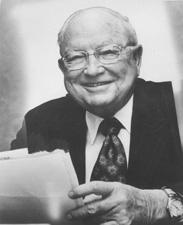
James Eastland
Former U.S. Senator from Mississippi · 1941–1979 · Democratic · Class 2
James Eastland represented Mississippi in the United States Senate (1941–1979) for the Democratic party. The page below collects sourced biographical facts, term history, committee roles, and provenance for Eastland.
Bioguide ID: E000018
Key facts
- Full name
- James Eastland
- State
- Mississippi
- Party
- Democratic
- Senate class
- Class II
- Senate service
- 1941–1979
- First Senate term
- 1941
- Status
- Left office
- Current term ends
- —
- Born
- 1904
- Bioguide ID
- E000018
- Committee assignments
- —
- Dataset version
- 1.20260602
Biographical narrative
939 words · sourced from the Wikipedia REST extract
James O. Eastland was an influential Democratic politician who served as a U.S. Senator from Mississippi for nearly four decades. His tenure in the Senate began in 1941 and concluded in 1979, marking him as a significant figure in the legislative history of the United States during a period of considerable social and political change. Eastland's career was characterized by his strong advocacy for states' rights and his alignment with Southern Democratic principles, which shaped his legislative priorities and political actions throughout his time in office.
Early life and career
James O. Eastland was born on November 28, 1904. His early life and formative years were spent in Mississippi, where he was immersed in the cultural and political milieu of the South. Growing up in a region characterized by its unique social dynamics, Eastland's upbringing would later influence his political ideology and legislative focus. He pursued higher education, which laid the groundwork for his future career in public service.
Before entering the Senate, Eastland's political career began in the Mississippi state legislature, where he served in various capacities. His initial foray into politics provided him with valuable experience and insight into the workings of government at the state level. This experience was instrumental in shaping his understanding of the legislative process and the needs of his constituents. Eastland's political ambitions eventually led him to the national stage, where he would become a prominent figure in the U.S. Senate.
In 1941, Eastland was elected to the U.S. Senate, marking the beginning of a lengthy and impactful political career. His election came during a tumultuous time in American history, as the nation was on the brink of entering World War II. Eastland's ascent to the Senate coincided with significant changes in both domestic and foreign policy, and he would play a role in shaping the legislative response to these challenges.
Senate tenure
James O. Eastland's Senate career spanned a total of seven terms, beginning in 1941 and concluding in 1979. Throughout his time in office, he became known for his staunch defense of Southern interests and his commitment to the principles of states' rights. His political alignment with the Democratic Party was consistent, and he maintained a significant presence in the Senate during a period marked by both national and regional upheaval.
Eastland's tenure coincided with pivotal moments in American history, including the Civil Rights Movement, the Vietnam War, and significant shifts in the political landscape. His positions on various issues reflected the complexities of Southern politics during this era. Eastland was often associated with the conservative wing of the Democratic Party, advocating for policies that aligned with the interests of his constituents in Mississippi. His legislative efforts were frequently focused on issues pertinent to the South, including agriculture, education, and civil rights, albeit from a perspective that often resisted federal intervention.
During his time in the Senate, Eastland served on several key committees, which allowed him to influence a wide range of legislative matters. His committee assignments provided him with the opportunity to shape policy and advocate for the needs of his state and region. Eastland's ability to navigate the intricacies of Senate procedures and build coalitions was a hallmark of his long career, enabling him to remain a significant figure in the Senate for nearly four decades.
Eastland's political career was not without controversy. His views on civil rights and race relations were emblematic of the broader tensions within the Democratic Party and the nation at large during the mid-20th century. He was known for his opposition to desegregation and other civil rights initiatives, which positioned him at odds with the evolving social landscape of the United States. This aspect of his tenure has been the subject of considerable historical scrutiny, reflecting the complexities of his legacy in the context of American politics.
Legislative focus and committees
Throughout his Senate career, James O. Eastland's legislative focus was primarily centered on issues that resonated with his constituents in Mississippi and the broader Southern region. His commitment to agricultural policies was a significant aspect of his work, as Mississippi's economy relied heavily on agriculture. Eastland advocated for programs that supported farmers and agricultural development, recognizing the importance of this sector to the state's economic health.
In addition to agriculture, Eastland was involved in education-related legislation. He understood the critical role that education played in the development of the South and worked to promote initiatives that aimed to improve educational opportunities for his constituents. His focus on education reflected a broader understanding of the challenges facing the region and the need for investment in human capital.
Eastland's committee assignments were pivotal in shaping his legislative agenda. He served on several important Senate committees, which allowed him to influence a wide range of issues. His participation in these committees provided him with the platform to advocate for policies that aligned with his interests and those of his constituents. His ability to navigate the complexities of committee dynamics and build relationships with fellow senators was a key factor in his legislative effectiveness.
Despite the challenges he faced, particularly regarding civil rights, Eastland remained a prominent figure in the Senate until his retirement in 1979. His long tenure was marked by a commitment to his constituents and a steadfast adherence to the principles that guided his political career. As a former senator, Eastland's legacy continues to be examined within the context of the broader historical narrative of the United States, particularly regarding the evolving dynamics of race, politics, and governance in the 20th century. His contributions to the Senate and the state of Mississippi remain a significant part of his enduring legacy.
Notable legislation
Sponsored and co-sponsored legislation for James Eastland is pending operator curation. The biographical narrative above carries the same provenance trail until per-bill rows are written.
Sources
- [1]https://en.wikipedia.org/wiki/James_EastlandWikipedia · retrieved 2026-06-02
Notable quotes
Sourced quotes for James Eastland are pending operator curation. Narrative-scope provenance remains attached below.
Sources
- [1]https://en.wikipedia.org/wiki/James_EastlandWikipedia · retrieved 2026-06-02
Key positions
Curated policy positions for James Eastland are pending operator review. The biographical narrative above carries the same provenance trail until per-topic positions are written.
Sources
- [1]https://en.wikipedia.org/wiki/James_EastlandWikipedia · retrieved 2026-06-02
Terms served
- 1941–1941U.S. Senate · Term 1 · Democratic · Class II
- 1943–1949U.S. Senate · Term 2 · Democratic · Class II
- 1949–1955U.S. Senate · Term 3 · Democratic · Class II
- 1955–1961U.S. Senate · Term 4 · Democratic · Class II
- 1961–1967U.S. Senate · Term 5 · Democratic · Class II
- 1967–1973U.S. Senate · Term 6 · Democratic · Class II
- 1973–1979U.S. Senate · Term 7 · Democratic · Class II
Sources & provenance
Every attributable claim above carries a per-section [N] marker that resolves to the corresponding URL below. Each entry records the upstream provider, the canonical URL, and the timestamp at which the source was retrieved by the ingest pipeline.
Key facts
- https://bioguide.congress.gov/search/bio/E000018bioguide · retrieved 2026-06-02
- https://www.govtrack.us/congress/members/403714govtrack · retrieved 2026-06-02
Biographical narrative
- https://en.wikipedia.org/wiki/James_Eastlandwikipedia · retrieved 2026-06-02
Find your senator
Every U.S. state elects two senators. Browse Mississippi’s delegation, the full former-senator roster, or explore the role and term length.
Related on The Candidate
- Preceded by Pat HarrisonEarlier holder of the Mississippi Class II Senate seat · Democratic.Open
- Succeeded by Thad CochranLater holder of the Mississippi Class II Senate seat · Republican.Open
- Adelbert AmesFormer U.S. Senator from Mississippi · RepublicanOpen
- Albert BrownFormer U.S. Senator from Mississippi · DemocraticOpen
- Anselm McLaurinFormer U.S. Senator from Mississippi · DemocraticOpen
- Blanche BruceFormer U.S. Senator from Mississippi · RepublicanOpen