
Historical · U.S. Senate · Montana
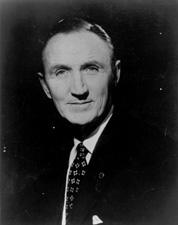
Mike Mansfield
Former U.S. Senator from Montana · 1953–1977 · Democratic · Class 1
Mike Mansfield represented Montana in the United States Senate (1953–1977) for the Democratic party. The page below collects sourced biographical facts, term history, committee roles, and provenance for Mansfield.
Bioguide ID: M000113
Key facts
- Full name
- Mike Mansfield
- State
- Montana
- Party
- Democratic
- Senate class
- Class I
- Senate service
- 1953–1977
- First Senate term
- 1953
- Status
- Left office
- Current term ends
- —
- Born
- 1903
- Bioguide ID
- M000113
- Committee assignments
- —
- Dataset version
- 1.20260602
Biographical narrative
1,067 words · sourced from the Wikipedia REST extract
Mike Mansfield was a prominent American politician who served as a U.S. Senator from Montana for over two decades. A member of the Democratic Party, Mansfield's political career was marked by his commitment to public service and his influential role in the Senate. His tenure spanned from 1953 until 1977, during which he became known for his leadership and legislative contributions. As a senator, he played a significant role in shaping national policy and was recognized for his ability to navigate the complexities of American politics during a transformative period in U.S. history.
Early life and career
Mike Mansfield was born on March 16, 1903. His early life was characterized by modest beginnings, which shaped his perspectives and approach to public service. Mansfield grew up in a working-class family, and his upbringing instilled in him a strong work ethic and a deep understanding of the challenges faced by ordinary Americans. This background would later influence his political philosophy and priorities as a legislator.
Before entering politics, Mansfield pursued a career in education and military service. He served in the United States Army during World War II, where he attained the rank of captain. His military experience not only contributed to his leadership skills but also provided him with a broader understanding of international relations and the importance of diplomacy. After the war, he returned to Montana and became involved in local politics, which eventually led to his election to the U.S. Senate.
Mansfield's political career began in the Montana House of Representatives, where he served from 1943 to 1945. His work at the state level laid the groundwork for his future political endeavors. He was later elected to the U.S. House of Representatives, serving from 1943 until 1953. During his time in the House, Mansfield developed a reputation as a dedicated public servant who was committed to addressing the needs of his constituents and advocating for progressive policies.
In 1952, Mansfield successfully ran for the U.S. Senate, marking the beginning of a long and impactful tenure in the upper chamber of Congress. His election was a significant milestone in his career, as it allowed him to expand his influence and work on a national scale. Throughout his Senate career, Mansfield remained focused on issues that affected the people of Montana and the nation as a whole.
Senate tenure
Mike Mansfield's Senate career began in 1953 and lasted until 1977. During this period, he became one of the most respected figures in the Senate, known for his ability to build consensus and work across party lines. His leadership style emphasized collaboration and bipartisanship, which was particularly important during a time of significant political and social upheaval in the United States.
Mansfield served as the Senate Majority Leader from 1961 to 1977, a role that placed him at the center of legislative decision-making. As Majority Leader, he was responsible for guiding the Senate's legislative agenda and ensuring that the Democratic Party's priorities were addressed. His tenure as Majority Leader was marked by significant legislative achievements, including landmark civil rights legislation and major social programs aimed at improving the lives of Americans.
Throughout his time in the Senate, Mansfield was known for his calm demeanor and thoughtful approach to governance. He often sought to de-escalate tensions and foster dialogue among senators, which contributed to a more productive legislative environment. His ability to navigate complex political landscapes allowed him to effectively advocate for policies that aligned with his values and the needs of his constituents.
Mansfield's influence extended beyond his role as Majority Leader. He was an active participant in various Senate committees, where he worked on a range of issues, including foreign relations, defense, and economic policy. His extensive experience and knowledge of these areas allowed him to contribute meaningfully to discussions and decisions that shaped U.S. policy during a critical period in history.
In 1977, Mansfield concluded his Senate career, having served four terms in office. His departure from the Senate marked the end of an era, as he had become a central figure in American politics and a respected voice on a wide array of issues. His legacy continued to influence future generations of politicians and public servants.
Legislative focus and committees
Throughout his Senate tenure, Mike Mansfield focused on a variety of legislative issues that reflected his commitment to social justice, economic development, and international diplomacy. His work in the Senate was characterized by a dedication to advancing policies that would benefit the American public and promote the nation's interests on the global stage.
One of Mansfield's primary legislative focuses was civil rights. He played a crucial role in supporting legislation aimed at ending racial discrimination and promoting equality. His advocacy for civil rights was part of a broader commitment to social justice and the belief that all Americans should have equal opportunities and protections under the law. Mansfield's efforts in this area contributed to the passage of significant civil rights legislation during the 1960s.
In addition to civil rights, Mansfield was a strong proponent of economic development initiatives. He recognized the importance of fostering economic growth and job creation, particularly in his home state of Montana. His work in this area included advocating for policies that supported infrastructure development, education, and access to healthcare. Mansfield believed that a strong economy was essential for improving the quality of life for all Americans.
Mansfield was also deeply engaged in foreign relations and national security issues. His military background and understanding of international affairs informed his approach to diplomacy and defense policy. He was an advocate for a balanced foreign policy that emphasized diplomacy and negotiation over military intervention. This perspective was particularly relevant during the Cold War, as the United States navigated complex geopolitical challenges.
Throughout his Senate career, Mansfield served on several key committees, including the Senate Committee on Foreign Relations and the Senate Committee on Appropriations. His involvement in these committees allowed him to influence critical decisions related to foreign policy, defense spending, and budgetary matters. His expertise and leadership in these areas were instrumental in shaping U.S. policy during a time of significant change.
Mansfield's contributions to the Senate and his legislative focus left a lasting impact on American politics. His commitment to public service, bipartisanship, and social justice continues to be recognized and studied by those interested in the history of the U.S. Senate and the evolution of American political thought.
Notable legislation
Sponsored and co-sponsored legislation for Mike Mansfield is pending operator curation. The biographical narrative above carries the same provenance trail until per-bill rows are written.
Sources
- [1]https://en.wikipedia.org/wiki/Mike_MansfieldWikipedia · retrieved 2026-06-02
Notable quotes
Sourced quotes for Mike Mansfield are pending operator curation. Narrative-scope provenance remains attached below.
Sources
- [1]https://en.wikipedia.org/wiki/Mike_MansfieldWikipedia · retrieved 2026-06-02
Key positions
Curated policy positions for Mike Mansfield are pending operator review. The biographical narrative above carries the same provenance trail until per-topic positions are written.
Sources
- [1]https://en.wikipedia.org/wiki/Mike_MansfieldWikipedia · retrieved 2026-06-02
Terms served
- 1943–1945U.S. House · District 1 · Term 1 · Democratic
- 1945–1947U.S. House · District 1 · Term 2 · Democratic
- 1947–1949U.S. House · District 1 · Term 3 · Democratic
- 1949–1951U.S. House · District 1 · Term 4 · Democratic
- 1951–1953U.S. House · District 1 · Term 5 · Democratic
- 1953–1959U.S. Senate · Term 6 · Democratic · Class I
- 1959–1965U.S. Senate · Term 7 · Democratic · Class I
- 1965–1971U.S. Senate · Term 8 · Democratic · Class I
- 1971–1977U.S. Senate · Term 9 · Democratic · Class I
Sources & provenance
Every attributable claim above carries a per-section [N] marker that resolves to the corresponding URL below. Each entry records the upstream provider, the canonical URL, and the timestamp at which the source was retrieved by the ingest pipeline.
Key facts
- https://bioguide.congress.gov/search/bio/M000113bioguide · retrieved 2026-06-02
- https://www.govtrack.us/congress/members/407137govtrack · retrieved 2026-06-02
Biographical narrative
- https://en.wikipedia.org/wiki/Mike_Mansfieldwikipedia · retrieved 2026-06-02
Find your senator
Every U.S. state elects two senators. Browse Montana’s delegation, the full former-senator roster, or explore the role and term length.
Related on The Candidate
- Preceded by Zales EctonEarlier holder of the Montana Class I Senate seat · Republican.Open
- Succeeded by John MelcherLater holder of the Montana Class I Senate seat · Democratic.Open
- Burton WheelerFormer U.S. Senator from Montana · DemocraticOpen
- Conrad BurnsFormer U.S. Senator from Montana · RepublicanOpen
- Henry MyersFormer U.S. Senator from Montana · DemocraticOpen
- James MurrayFormer U.S. Senator from Montana · DemocraticOpen