
Historical · U.S. Senate · New Hampshire
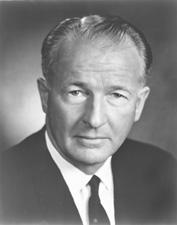
Louis Wyman
Former U.S. Senator from New Hampshire · 1974–1975 · Republican · Class 3
Louis Wyman represented New Hampshire in the United States Senate (1974–1975) for the Republican party. The page below collects sourced biographical facts, term history, committee roles, and provenance for Wyman.
Bioguide ID: W000782
Key facts
- Full name
- Louis Wyman
- State
- New Hampshire
- Party
- Republican
- Senate class
- Class III
- Senate service
- 1974–1975
- First Senate term
- 1974
- Status
- Left office
- Current term ends
- —
- Born
- 1917
- Bioguide ID
- W000782
- Committee assignments
- —
- Dataset version
- 1.20260602
Biographical narrative
855 words · sourced from the Wikipedia REST extract
Louis C. Wyman was a prominent American politician who served as a United States Senator from New Hampshire. A member of the Republican Party, Wyman's tenure in the Senate began in 1974 and concluded in 1975. His political career was marked by a commitment to public service and a focus on various legislative issues that reflected the interests and concerns of his constituents. Wyman's background and experiences contributed to his approach to governance and policy-making during his time in office.
Early life and career
Louis C. Wyman was born on March 16, 1917. His early life laid the foundation for his future endeavors in public service and politics. While specific details about his formative years are limited, it is known that he grew up in a period marked by significant national and global changes. The experiences of his youth likely influenced his perspectives and aspirations, ultimately leading him to pursue a career in politics.
Before entering the Senate, Wyman had an extensive political career that included serving in various capacities. He was involved in local and state politics, which provided him with valuable insights into the workings of government and the needs of his constituents. His political journey included six congressional terms, although only one of those was in the Senate. This experience in different political roles equipped him with a broad understanding of legislative processes and the intricacies of governance.
Wyman's political affiliations and alignment with the Republican Party positioned him within a specific ideological framework that shaped his legislative priorities and interactions with colleagues. His party affiliation also played a significant role in his electoral strategies and the policies he championed during his time in office. As a Republican, Wyman was part of a larger political movement that sought to address various issues facing the nation during the 1970s, including economic challenges, social policies, and foreign relations.
Senate tenure
Louis C. Wyman's tenure in the United States Senate began in 1974, marking a significant milestone in his political career. His election to the Senate was a culmination of years of public service and political engagement. During his time in the Senate, Wyman represented the interests of New Hampshire and contributed to national discussions on various legislative matters.
Wyman's Senate term was part of a broader political landscape characterized by significant changes and challenges. The 1970s were a tumultuous period in American history, with various social movements, economic shifts, and foreign policy dilemmas shaping the national discourse. As a senator, Wyman was tasked with navigating these complex issues while advocating for the needs of his constituents.
Although Wyman's Senate term was relatively brief, it was marked by active participation in legislative discussions and debates. He worked alongside other senators to address pressing issues and contribute to the development of policies that would impact the nation. His role in the Senate involved collaboration with colleagues from both parties, reflecting the necessity of bipartisan efforts in achieving legislative goals.
Wyman's service in the Senate concluded on January 3, 1975. His departure from the Senate marked the end of a significant chapter in his political career, but it did not diminish his contributions to public service. The experiences and insights gained during his time in the Senate continued to inform his perspectives on governance and public policy.
Legislative focus and committees
During his time in the Senate, Louis C. Wyman was involved in various legislative initiatives and committee assignments that reflected his interests and the priorities of his constituents. While specific details about the bills he sponsored or supported are not provided, it is common for senators to focus on issues such as economic development, healthcare, education, and infrastructure during their tenure.
Wyman's participation in committees would have allowed him to engage deeply with specific policy areas, collaborating with other senators and experts to craft legislation that addressed the needs of the nation. Committees play a crucial role in the legislative process, serving as forums for discussion, analysis, and decision-making on proposed laws. Wyman's involvement in these committees would have provided him with opportunities to influence policy outcomes and advocate for the interests of New Hampshire residents.
The legislative focus of a senator often reflects both personal interests and the needs of their constituents. As a representative of New Hampshire, Wyman likely prioritized issues that were particularly relevant to the state, including economic development initiatives, support for local industries, and policies aimed at improving the quality of life for residents. His approach to legislation would have been informed by the unique challenges and opportunities facing New Hampshire during the 1970s.
In summary, Louis C. Wyman's career as a U.S. Senator was characterized by a commitment to public service and an active engagement in the legislative process. His early life and career laid the groundwork for his political aspirations, while his tenure in the Senate allowed him to contribute to national discussions on important issues. Although his time in office was relatively short, Wyman's involvement in various committees and legislative initiatives reflected his dedication to representing the interests of his constituents and addressing the challenges facing the nation during a pivotal era in American history.
Notable legislation
Sponsored and co-sponsored legislation for Louis Wyman is pending operator curation. The biographical narrative above carries the same provenance trail until per-bill rows are written.
Sources
- [1]https://en.wikipedia.org/wiki/Louis_C._WymanWikipedia · retrieved 2026-06-02
Notable quotes
Sourced quotes for Louis Wyman are pending operator curation. Narrative-scope provenance remains attached below.
Sources
- [1]https://en.wikipedia.org/wiki/Louis_C._WymanWikipedia · retrieved 2026-06-02
Key positions
Curated policy positions for Louis Wyman are pending operator review. The biographical narrative above carries the same provenance trail until per-topic positions are written.
Sources
- [1]https://en.wikipedia.org/wiki/Louis_C._WymanWikipedia · retrieved 2026-06-02
Terms served
- 1963–1965U.S. House · District 1 · Term 1 · Republican
- 1967–1969U.S. House · District 1 · Term 2 · Republican
- 1969–1971U.S. House · District 1 · Term 3 · Republican
- 1971–1973U.S. House · District 1 · Term 4 · Republican
- 1973–1974U.S. House · District 1 · Term 5 · Republican
- 1974–1975U.S. Senate · Term 6 · Republican · Class III
Sources & provenance
Every attributable claim above carries a per-section [N] marker that resolves to the corresponding URL below. Each entry records the upstream provider, the canonical URL, and the timestamp at which the source was retrieved by the ingest pipeline.
Key facts
- https://bioguide.congress.gov/search/bio/W000782bioguide · retrieved 2026-06-02
- https://www.govtrack.us/congress/members/411930govtrack · retrieved 2026-06-02
Biographical narrative
- https://en.wikipedia.org/wiki/Louis_C._Wymanwikipedia · retrieved 2026-06-02
Find your senator
Every U.S. state elects two senators. Browse New Hampshire’s delegation, the full former-senator roster, or explore the role and term length.
Related on The Candidate
- Preceded by Robert UptonEarlier holder of the New Hampshire Class III Senate seat · Republican.Open
- Succeeded by John DurkinLater holder of the New Hampshire Class III Senate seat · Democratic.Open
- Aaron CraginFormer U.S. Senator from New Hampshire · RepublicanOpen
- Austin PikeFormer U.S. Senator from New Hampshire · RepublicanOpen
- Bainbridge WadleighFormer U.S. Senator from New Hampshire · RepublicanOpen
- Benning JennessFormer U.S. Senator from New Hampshire · DemocraticOpen